Grief and Loss During COVID (Part 2): Forced to Grieve Without a Funeral

April 29, 2020

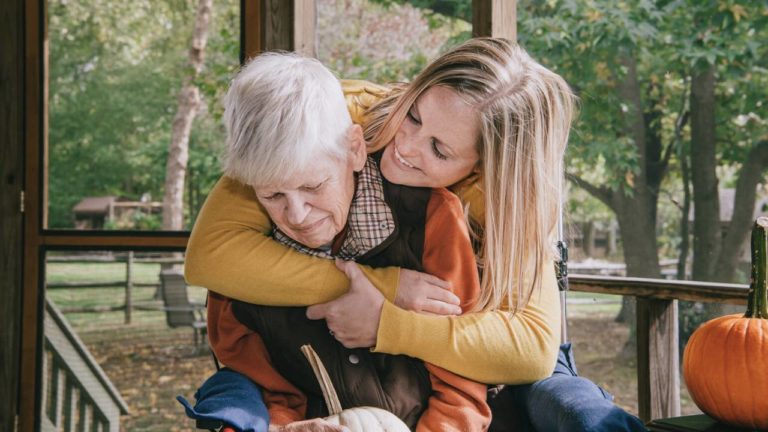
Lauren Dykovitz was sitting vigil by her mom’s bedside while she was on hospice with end stage Alzheimer’s Disease during COVID. Lauren would imagine people

View Full Post

Grief and Loss During COVID (Part 1): Anticipatory Grief and Ambiguous Loss

April 22, 2020

Has your older loved one been in the hospital since the Coronavirus Pandemic and not allowed to have family by their side to comfort and

View Full Post

Older Adults, Families, and Senior Care Communities Working Together During COVID-19

April 15, 2020

We’ve all heard stories of older adults on lock down in their long-term care community. Maybe you’ve even seen the images of family members visiting

View Full Post

The Psychology Behind Retired Doctors and Nurses Returning To Work During COVID-19

April 6, 2020

I wanted to spend some time on this podcast talking a little bit about the psychological underpinnings of why older adults might refuse to maintain

View Full Post

Mental Wellness Tips for Older Adults During COVID-19

March 29, 2020

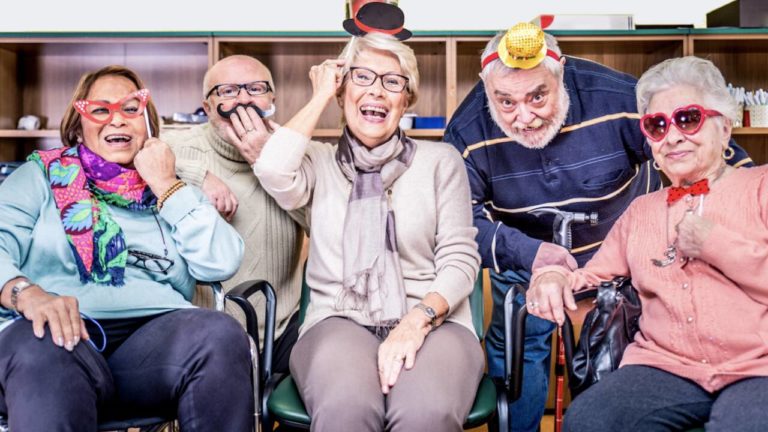
With social distancing in full effect, older adults are encouraged to maintain their distance from others.  But this can have a major impact on your
View Full Post

Welcome to the Psychology of Aging Podcast

March 28, 2020

Welcome to the first episode of… The Psychology of Aging Podcast! Did you know that people over 65 make up the fastest growing age group
View Full Post
Page1 Page2 Page3 Page4 Page5

Center for Mental Health and Aging is proudly powered by WordPress

Gain clarity about the mental health or memory changes in your older loved one with this free guide?

Noticing memory or mental health changes in your older loved one?

The next steps are as simple as 1-2-3…

  1. Share your concerns with your loved one directly and compassionately. 
  2. Help your loved one see their primary care provider. Sometimes mental health and memory changes are due to medical issues or medications that need to be assessed and managed by medical providers. 
  3. Help your loved one see a mental health professional. Don’t wait for medical issues to be resolved. People with medical conditions are more likely to experience mental health conditions and benefit from mental health care. Connect with a professional today.

Our provider directory can help you find a mental health professional who specializes in older adults.

Find a Professional 

A Neuropsychologist

A neuropsychologist is specialized in diagnosing brain disorders, like dementia (specifically what type of dementia a person has). They also help to identify if the changes in your loved one are mental health changes (like depression and anxiety) or brain health changes like a dementia disorder. 

Find a Neuropsychologist Near You

A Gero-Psychiatrist

Geriatric psychiatrists (also called Gero-Psychiatrists) are medical doctors who specialize in the diagnosis and treatment of mental health issues that occur more commonly in older adults, such as dementia, depression, insomnia. They prescribe medications, but may or may not provide therapy.

Find a Psychiatrist Near You

A Therapist who specializes with older adults

“Therapist” is a broad term to identify licensed professionals trained to provide talk-therapy to treat or manage mental health conditions. They include psychologists, social workers, licensed professional counselors, and licensed marriage and family therapists. Our therapists specialize in older adults.

Find a Therapist Near You