
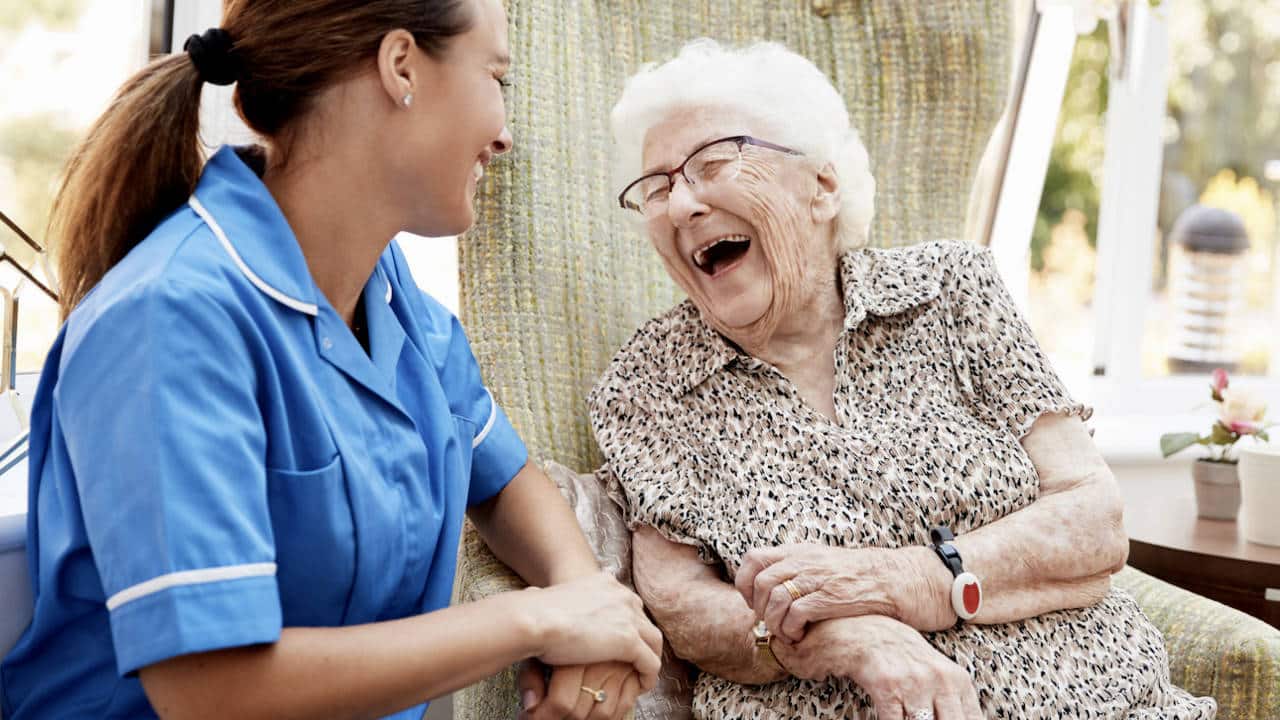
We’ve all heard stories of older adults on lock down in their long-term care community. Maybe you’ve even seen the images of family members visiting their loved ones separated by windows or glass. Like a granddaughter sharing her engagement ring, a son sitting outside talking on the phone with his dad inside his apartment, or a couple presenting their newborn to the grandfather.
As a Psychologist who specializes with older adults and families, and who provides a lot of education and training to long-term care communities, I have the unique opportunity to see into the inner world of the older adult living in a long-term care community, the concerned family member, and the long-term care community and it’s staff as well.
In this episode, I explore the common emotional experiences during COVID-19 of older adults, their families, and the senior care communities they live in. And, I’ll offer recommendations for helping each group to improve their quality of life and strengthen their relationships to one another during the COVID-19 pandemic.
Here’s a look at what I talk about in this episode…
- [07:43] Even without COVID-19, moving into a senior care community is an adjustment for even the healthiest of families and older adults. I talk a little bit about this adjustment here.
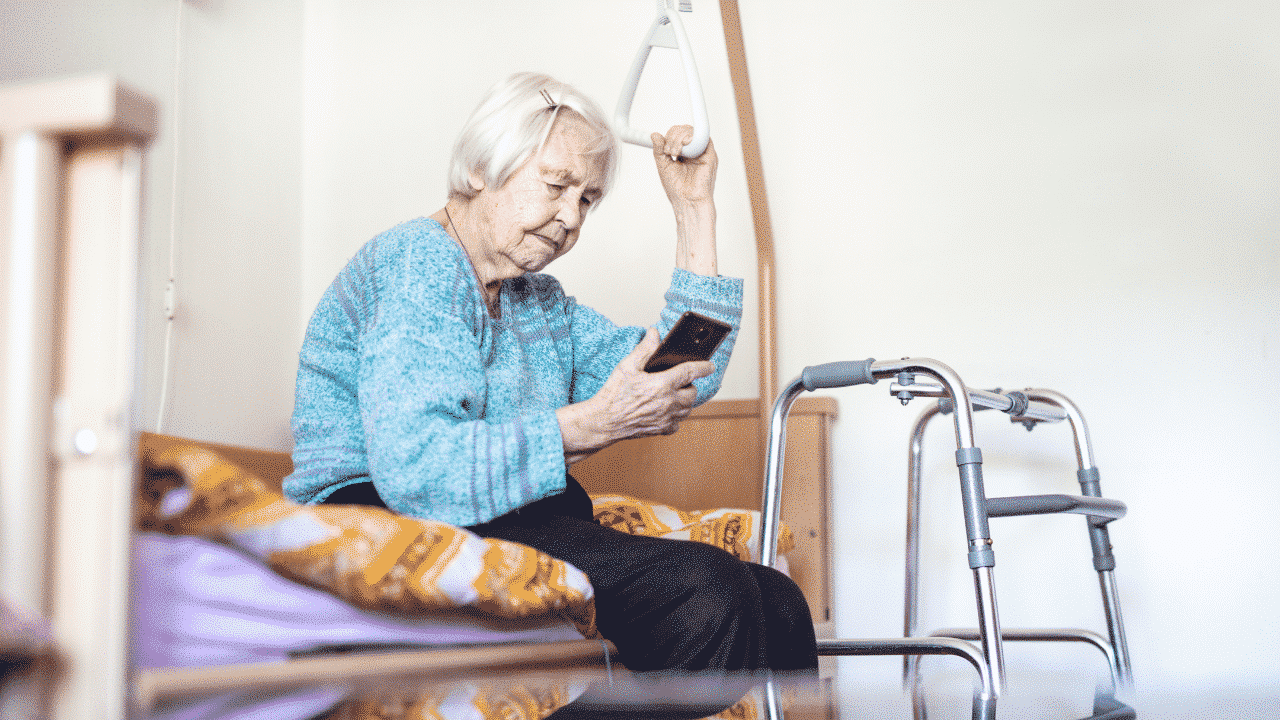
- [11:33] I describe the common experiences and feelings of older adults living in quarantine or “lock-down” in a senior care community
- [16:49] My biggest concern with older adults living on lock-down in their long-term care community is that it might validate their sense of rejection or abandonment from society
- [18:37] Family members are desperate for information and tools for helping their loved one living in a senior care community. I describe many of the fears and concerns family members are facing during COVID-19.
- [21:37] What feelings arise when your older loved one becomes sick and you cannot see them? Family members are experiencing extreme fear, desperation, and distress.
- [22:30] Senior Care Communities are making many pivots to keep up with CDC guidelines, maintain care for residents, communicate with families, and provide healthy work places for staff.
- [27:35] Team work makes the dream work for everyone. Learn more about my number one recommendation!
- [28:11] Learn about what older adults living in senior care communities can do to enhance their quality of life while on quarantine
- [29:21] Family members have an important role in helping an older adult to live their best life and the senior care community to provide their best care! These recommendations can help!
- [32:41] Senior Care Communities have a lot on their plate, but a little effort with communication can go a long way. Learn how.
By the end of this episode, you’ll have a better understanding of what each group can do to help improve their quality of life and strengthen their relationships with one another during the COVID-19 pandemic… and ultimately improve health and wellness for all!
Links mentioned in this episode
- Watch my interview with Gary Glazner of the Alzheimer’s Poetry Project for tips on communicating with your loved one with dementia
- CDC guidelines for long term care communities

Dr. Regina Koepp is a board certified clinical psychologist, clinical geropsychologist, and founder and CEO of the Center for Mental Health & Aging: the “go to” place for mental health and aging. Dr. Koepp is a sought after speaker on the topics of mental health and aging, caregiving, ageism, resilience, intimacy in the context of life altering Illness, and dementia and sexual expression. Dr. Koepp is on a mission to ensure mental health and belonging for older adults, because every person at every age is worthy of healing, transformation, and love. Learn more about Dr. Regina Koepp here.
Regina Koepp, PsyD, ABPP










































Want More? Listen to Our Most Recent Episodes


Older adults deserve high quality mental health care.
Therapists deserve the training to provide that care.
