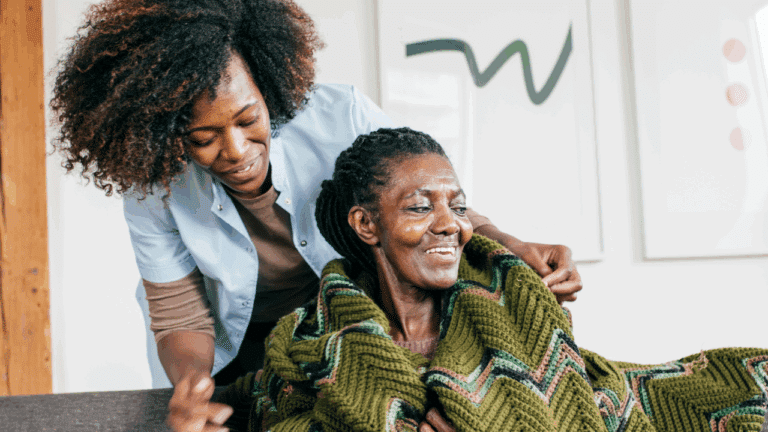
How to Support Someone with Dementia and PTSD

September 2, 2025

When someone is living with both dementia and PTSD, their needs are complex—but support is still possible, and it can make a world of difference.

View Full Post

Link Between Trauma and Dementia: Can Unresolved Trauma Increase Dementia Risk?

August 25, 2025

Can Unresolved Trauma Increase Dementia Risk? Trauma doesn’t just leave emotional scars—it can change the brain. And when post-traumatic stress goes untreated, the risk for
View Full Post

Sleep and Dementia: Is Insomnia Quietly Raising the Risk for Dementia?

August 18, 2025

  Last week, a therapist told me about her client, an 82-year-old woman who hadn’t had more than 6 hours of sleep in years. “It’s

View Full Post

Link Between Alcohol & Dementia: Does moderate drinking increase dementia risk?

August 14, 2025

Does moderate drinking increase dementia risk? Here’s what the science says—and what you can do to support brain health in later life. If you’ve ever

View Full Post

Anxiety & Dementia: Anxiety Treatment is Essential to Reducing Dementia Risk

August 4, 2025

Anxiety Isn’t a Normal Part of Aging—It’s a Warning Sign — And When Left Untreated, It Increases Dementia Risk.   Anxiety increases dementia risk by

View Full Post

Depression Treatment Prevents Dementia- According to Science

July 30, 2025

The Hidden Link Between Depression and Dementia Every time I sit with a client and help them move through depression, I know I’m not just

View Full Post

Why Therapy Needs to Change With Age – Therapy That Works for 30-Year-Olds Doesn’t Always Work at 75

July 19, 2025

If your 75-year-old client stops coming to therapy, it might not be them. It might be your approach.   In this episode, I explore why

View Full Post

Chronic Pain and Depression: Breaking the Cycle with Mental Health Care

June 17, 2025

Chronic pain isn’t just physical—it’s deeply emotional and psychological. And the connection between chronic pain and depression? It’s stronger—and more dangerous—than most professionals realize. In

View Full Post

Chronic Pain and Aging: 4 Themes Therapists Must Know

June 9, 2025

Chronic pain isn’t just physical—it’s personal, emotional, and deeply misunderstood. And when it comes to older adults, the pain often hides in plain sight. In

View Full Post

My Aging Parent Won’t Stop Giving Money to A Scammer. What Can I Do?

June 2, 2025

What do you do when your aging parent is being scammed—and keeps sending money even after you’ve begged them to stop? It’s heartbreaking. It’s infuriating.

View Full Post

Is Late Life Depression Treatable?

May 27, 2025

Depression is NOT a normal part of aging—yet it’s silently stealing joy, independence, and even life from millions of older adults. Most go undiagnosed and
View Full Post

How I Built the Center for Mental Health & Aging

May 20, 2025

What It Takes to Build a National Movement for Mental Health & Aging Ever wonder what it really takes to build a national movement for

View Full Post
Page1 Page2 Page3 Page4 Page5

Center for Mental Health and Aging is proudly powered by WordPress

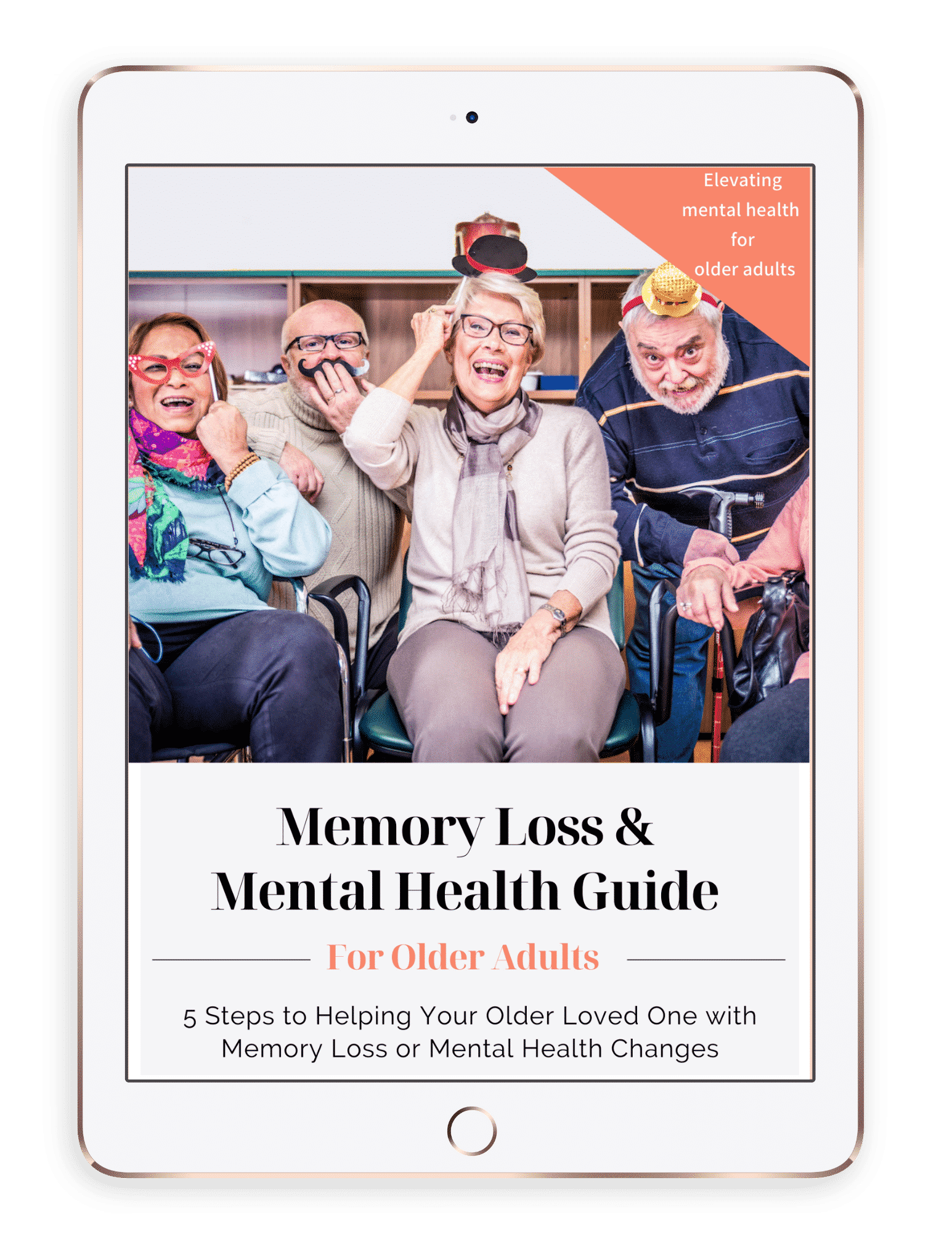
Gain clarity about the mental health or memory changes in your older loved one with this free guide?

Noticing memory or mental health changes in your older loved one?

The next steps are as simple as 1-2-3…

  1. Share your concerns with your loved one directly and compassionately. 
  2. Help your loved one see their primary care provider. Sometimes mental health and memory changes are due to medical issues or medications that need to be assessed and managed by medical providers. 
  3. Help your loved one see a mental health professional. Don’t wait for medical issues to be resolved. People with medical conditions are more likely to experience mental health conditions and benefit from mental health care. Connect with a professional today.

Our provider directory can help you find a mental health professional who specializes in older adults.

Find a Professional 

A Neuropsychologist

A neuropsychologist is specialized in diagnosing brain disorders, like dementia (specifically what type of dementia a person has). They also help to identify if the changes in your loved one are mental health changes (like depression and anxiety) or brain health changes like a dementia disorder. 

Find a Neuropsychologist Near You

A Gero-Psychiatrist

Geriatric psychiatrists (also called Gero-Psychiatrists) are medical doctors who specialize in the diagnosis and treatment of mental health issues that occur more commonly in older adults, such as dementia, depression, insomnia. They prescribe medications, but may or may not provide therapy.

Find a Psychiatrist Near You

A Therapist who specializes with older adults

“Therapist” is a broad term to identify licensed professionals trained to provide talk-therapy to treat or manage mental health conditions. They include psychologists, social workers, licensed professional counselors, and licensed marriage and family therapists. Our therapists specialize in older adults.

Find a Therapist Near You