
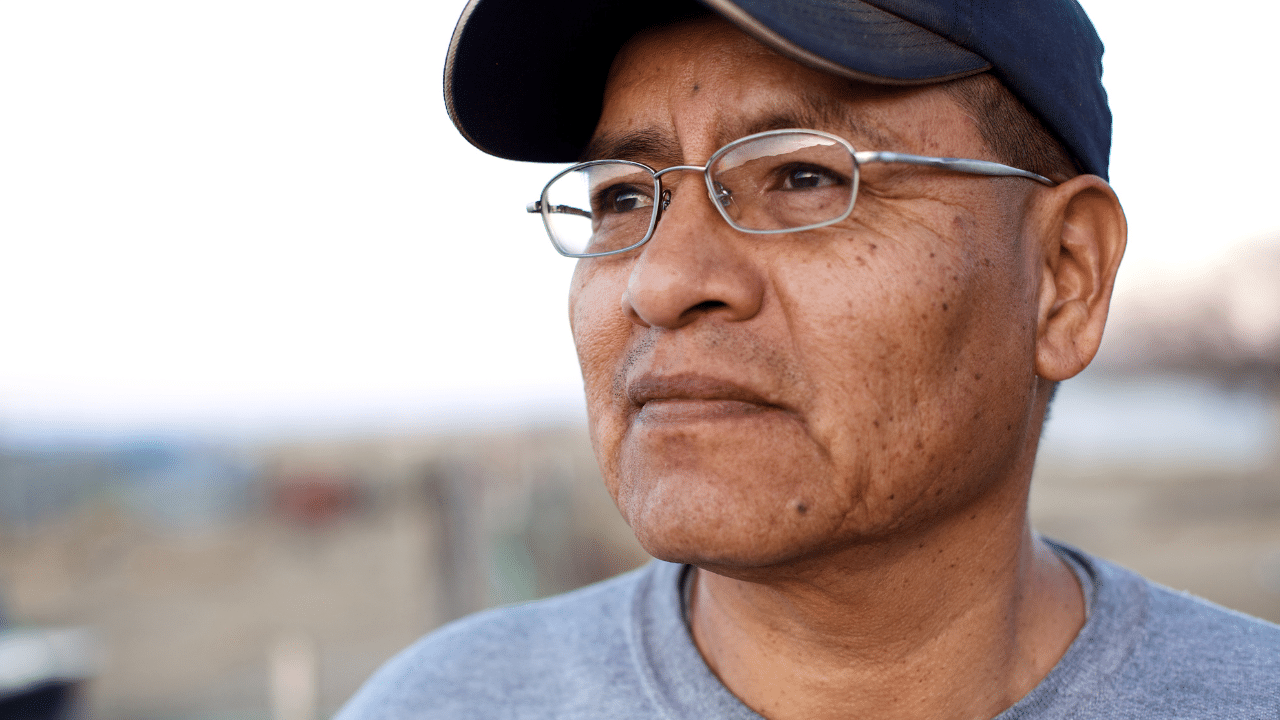
Can Unresolved Trauma Increase Dementia Risk?
Trauma doesn’t just leave emotional scars—it can change the brain. And when post-traumatic stress goes untreated, the risk for dementia later in life rises.
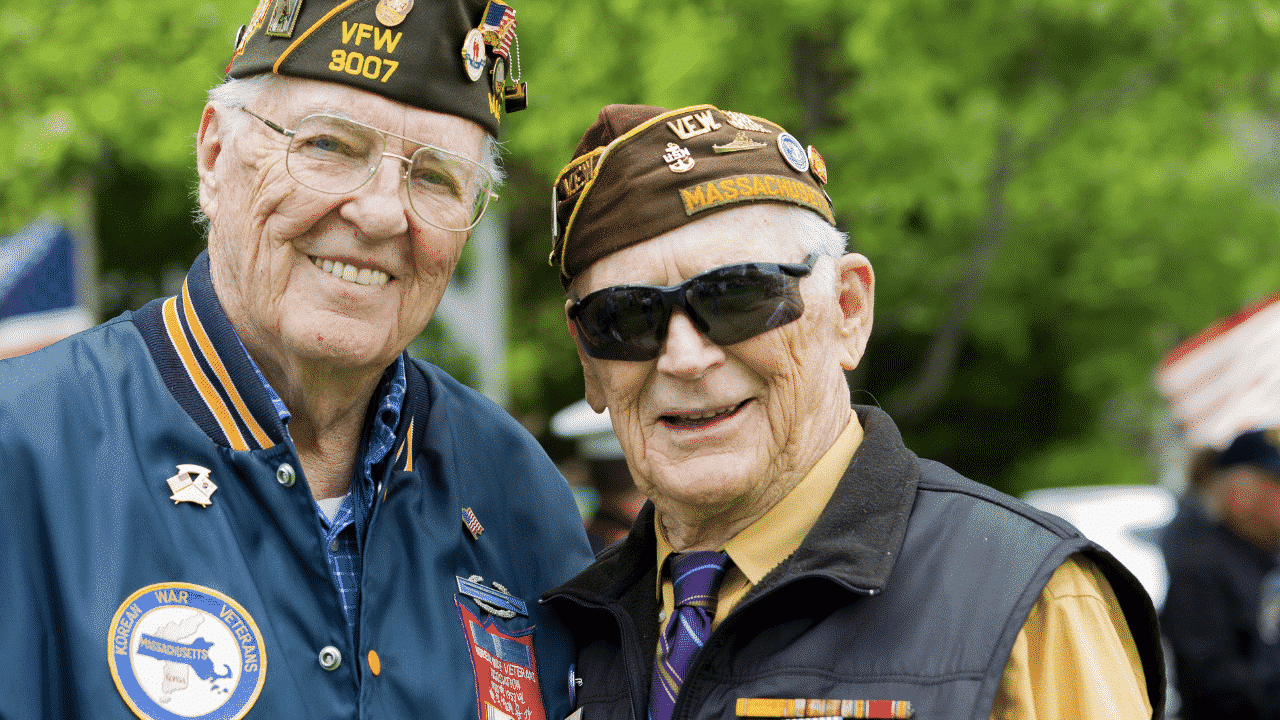
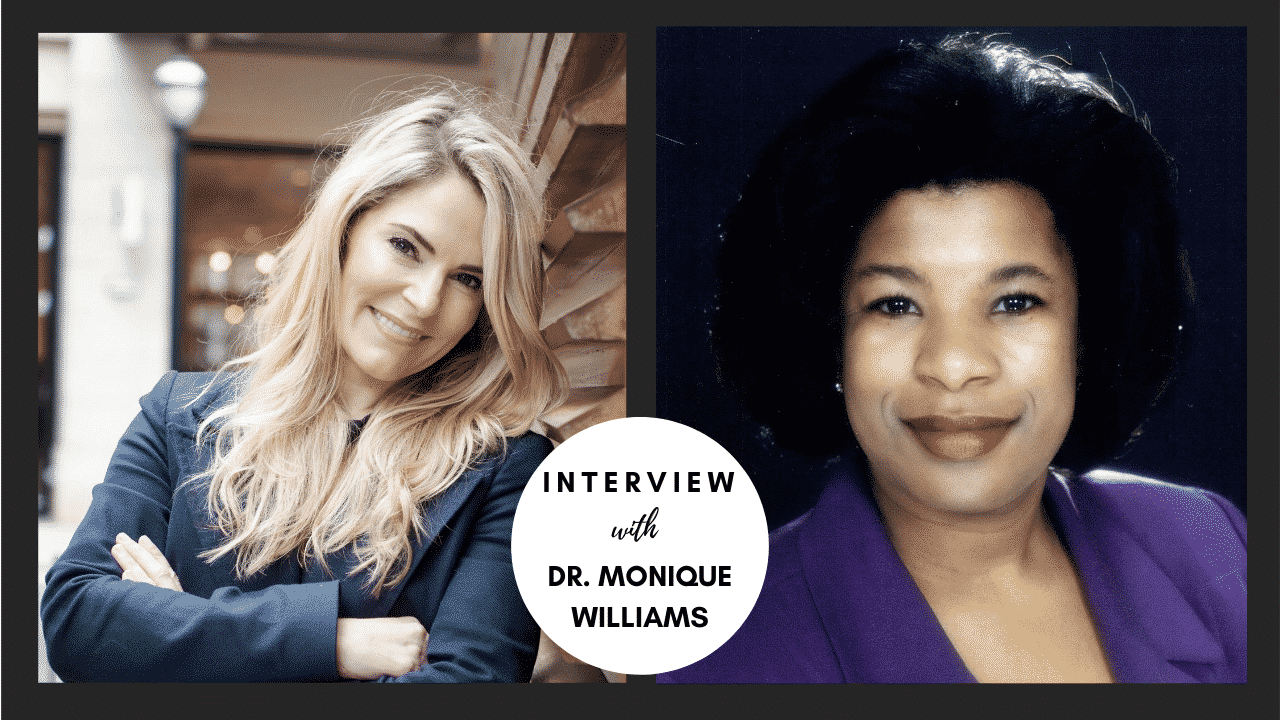
In this episode of my mental health and dementia series, I explore how trauma and PTSD intersect with brain health. Drawing from decades of research and my years working with older veterans, I break down why unresolved trauma increases vulnerability to dementia disorders and what clinicians can do to help.
This conversation isn’t just about understanding risk—it’s about hope. Trauma treatment works at any age, and healing now doesn’t only restore quality of life today, it also protects the brain for tomorrow.
3 Key Takeaways from This Episode
1.Trauma raises dementia risk.
Landmark studies show veterans with PTSD have double the risk of dementia, and depression or anxiety tied to trauma can increase dementia risk even decades later.
2. The body keeps the score.
Trauma heightens cortisol and inflammation, which damage the heart and brain. What’s bad for the heart is bad for the brain.
3. Treatment protects the brain.
Trauma therapy in older adulthood restores quality of life now and strengthens brain health and autonomy for the future.
What You’ll Learn in This Episode:
-
Why PTSD symptoms often reemerge in older adulthood, especially after retirement, health changes, or loss.
-
The science behind how trauma affects brain physiology—cortisol, inflammation, and cardiovascular health—and why that matters for dementia risk.
-
Landmark studies linking PTSD, depression, anxiety, and racism-related stress to dementia.
-
Why trauma often goes undetected in older adults—and how ageism can stop clinicians from asking the right questions.
-
Five trauma-informed strategies to support older adults, reduce suffering now, and protect brain health for the future.
Resources Mentioned:
- PTSD Screening tool for Primary Care
- Free guide to Trauma Informed Care with Older Adults
- National Provider Directory by Center for Mental Health + Aging
- Mental Health + Aging Certificate Course
Remember…
It’s only with your help that we can meet the mental health needs of older adults. So thank you for being here—and thank you for doing your part.
Related Resources
- Blog: Trauma and Older Adults: Acute Stress Disorder, PTSD, and Unique Considerations
- Blog:Benefits of Cultural Humility and Trauma-Informed Care With Minoritized Older Adults
- Podcast: PTSD and Trauma Informed Care with Older Adults
- Trauma Informed Care with Older Adults Certificate Course (6 CEU credits)
- Trauma-Informed Care Guide for Older Adults: Download here
- Helping Older Adults After Disasters: A Guide by SAMHSA
- Helping Older Adults Prepare for Disasters: Essential Resources & Tips
- SAMHSA Disaster Distress Helpline: 1-800-985-5990
- National Crisis Hotline for Mental Health: Call 988 (Like 9-1-1 but for mental health emergencies)
Subscribe and Leave a Review
If you enjoyed this episode, please subscribe, leave a review, and share it with a colleague or friend. Together, we’re building a movement for mental health and aging. Because there is no expiration date on healing, transformation, and growth.
References
- Alzheimer’s Association. (n.d.). Black Americans and Alzheimer’s. Alzheimer’s Association. Retrieved [Month Day, Year], from https://www.alz.org/help-support/resources/black-americans-and-alzheimers
- Aunsmo RH, Strand BH, Anstey KJ, et al. Associations between depression and anxiety in midlife and dementia more than 30 years later: The HUNT Study. Alzheimer’s Dement. 2024;16:e70036. DOI:10.1002/dad2.70036.
- Ciesla, M., Pobst, J., Gomes‑Osman, J., Lamar, M., Barnes, L. L., Banks, R., Jannati, A., Libon, D., Swenson, R., Tobyne, S., Bates, D., Showalter, J., & Pascual‑Leone, A. (2024). Estimating dementia risk in an African American population using the DCTclock. Frontiers in Aging Neuroscience, 16, Article 1328333. https://doi.org/10.3389/fnagi.2023.1328333
- Matthews, K. A., Xu, W., Gaglioti, A. H., Holt, J. B., Croft, J. B., Mack, D., & McGuire, L. C. (2019). Racial and ethnic estimates of Alzheimer’s disease and related dementias in the United States (2015–2060) in adults aged ≥ 65 years. Alzheimer’s & Dementia, 15(1), 17–24. https://doi.org/10.1016/j.jalz.2018.06.3063
- National Center for PTSD – Information on trauma treatment in older adults and people with cognitive impairment.
-
Yaffe K, Vittinghoff E, Lindquist K, et al. Posttraumatic stress disorder and risk of dementia among U.S. veterans. Archives of General Psychiatry. 2010;67(6):608–613. In this large veteran cohort study, those with PTSD had a significantly higher risk of developing dementia over a 7-year follow-up—adjusted hazard ratio (aHR) of 1.77 (95% CI: 1.70–1.85)

Dr. Regina Koepp is a board certified clinical psychologist, clinical geropsychologist, and founder and CEO of the Center for Mental Health & Aging: the “go to” place for mental health and aging. Dr. Koepp is a sought after speaker on the topics of mental health and aging, caregiving, ageism, resilience, intimacy in the context of life altering Illness, and dementia and sexual expression. Dr. Koepp is on a mission to ensure mental health and belonging for older adults, because every person at every age is worthy of healing, transformation, and love. Learn more about Dr. Regina Koepp here.
Regina Koepp, PsyD, ABPP




































Want More? Listen to Our Most Recent Episodes


Older adults deserve high quality mental health care.
Therapists deserve the training to provide that care.
