With social distancing in full effect, older adults are encouraged to maintain their distance from others. But this can have a major impact on your quality of life.
It’s essential that during the COVID-19 pandemic that older adults stay physically safe and mentally well. Research shows that older adults who engage in meaningful and productive activities live longer, experience a better mood, and maintain a sense of purpose in their life.
To promote wellness for older adults, these tips will help older adults stay physically safe and mentally well during the COVID-19 Pandemic.
1. Stay connected with friends and family
Social distancing is important in maintaining your physical health and well-being in the time of COVID-19. And this is an important public health recommendation that we all need to follow.
The downside of social distancing, however, is that it increases the risk for loneliness and isolation among older adults.
One of the best ways to stay mentally well during uncertain times, is to stay connected to the people who mean the most to you. Because, when we are facing uncertainty, the comfort of close relationships offers soothing and reassurance.
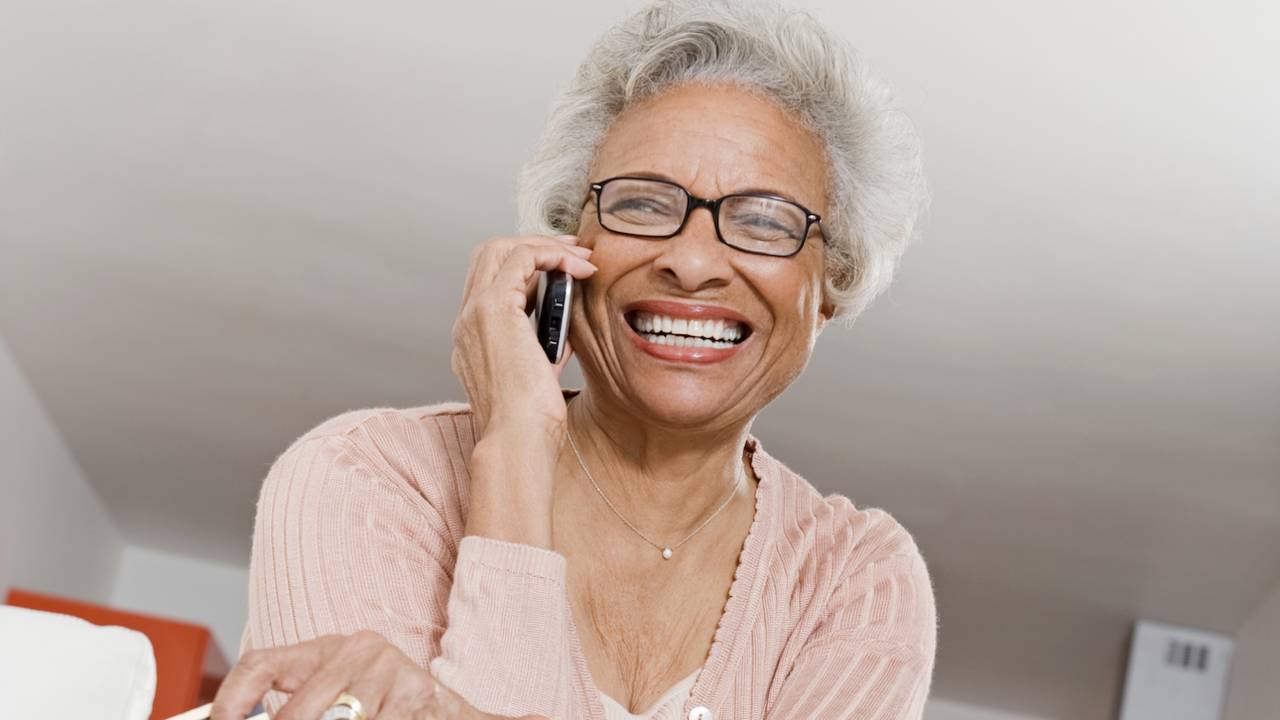
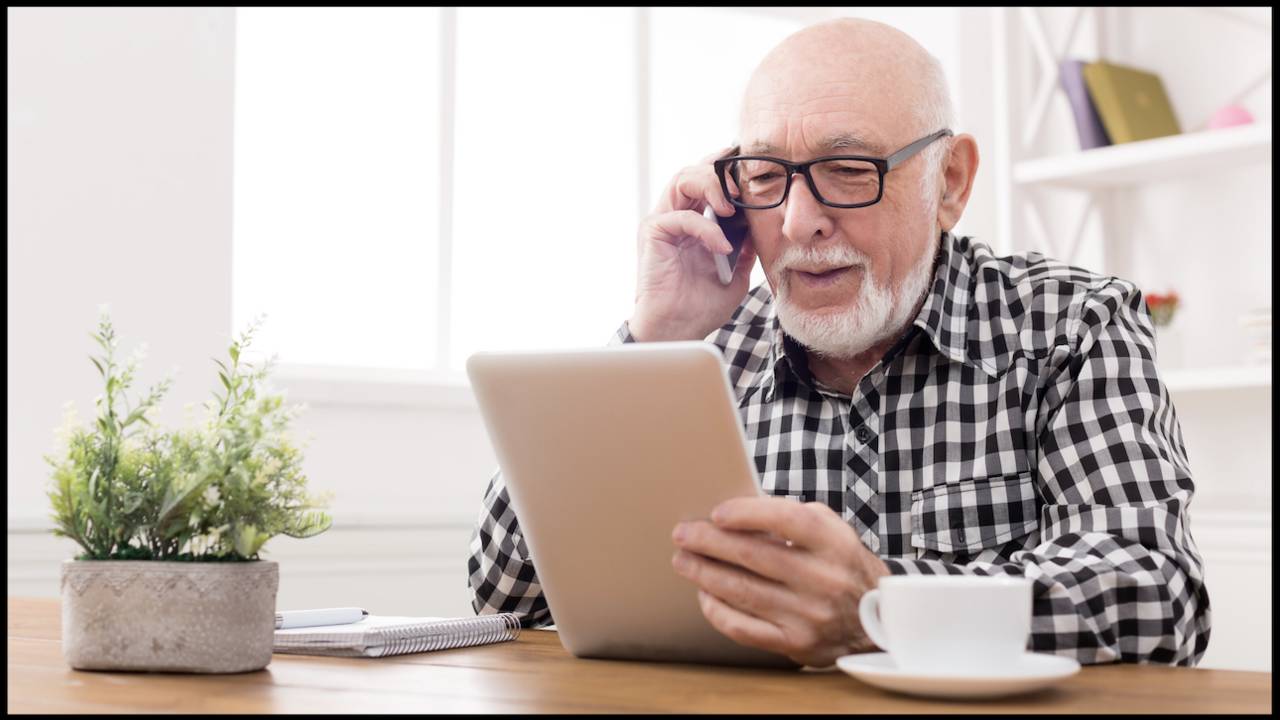
With “social distancing” in full effect, you may not be able to see your loved ones in person, but with modern technology there are all sorts of ways to stay connected.
For example, FaceTime (iphone), WhatsApp, and Skype all have video telephone options. And if those options seem out of reach, there’s the good ole fashion telephone!
The key here is to stay in touch with the people who matter most to you!
2. Keep a daily routine
With so much out of your control during the Coronavirus pandemic, a routine can help to bring a little order to the chaos.
A daily routine means that you essentially do the same (or similar) activities around the same time every day. A daily routine offer many benefits: it helps to provide a sense of security and predictability, it helps to reduce stress and anxiety, and it has the added benefit of helping you sleep better at night.
3. Maintain a healthy diet
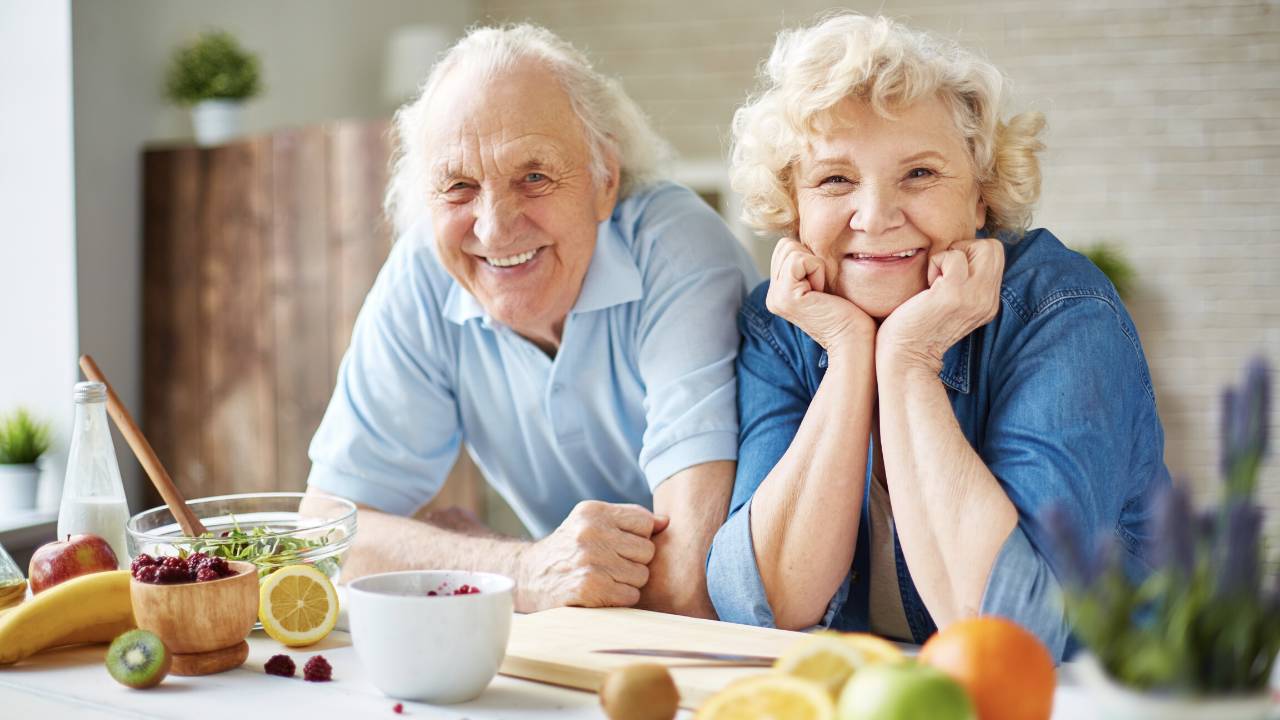
A healthy diet is essential to staying both physically and mentally healthy. A healthy diet helps our organs to function at their best, helps to maintain our memory and cognitive ability, helps to manage chronic conditions (like blood pressure, diabetes, cancer, etc.), helps to strengthen the immune system, and promotes muscle and bone health.
4. Stay physically fit
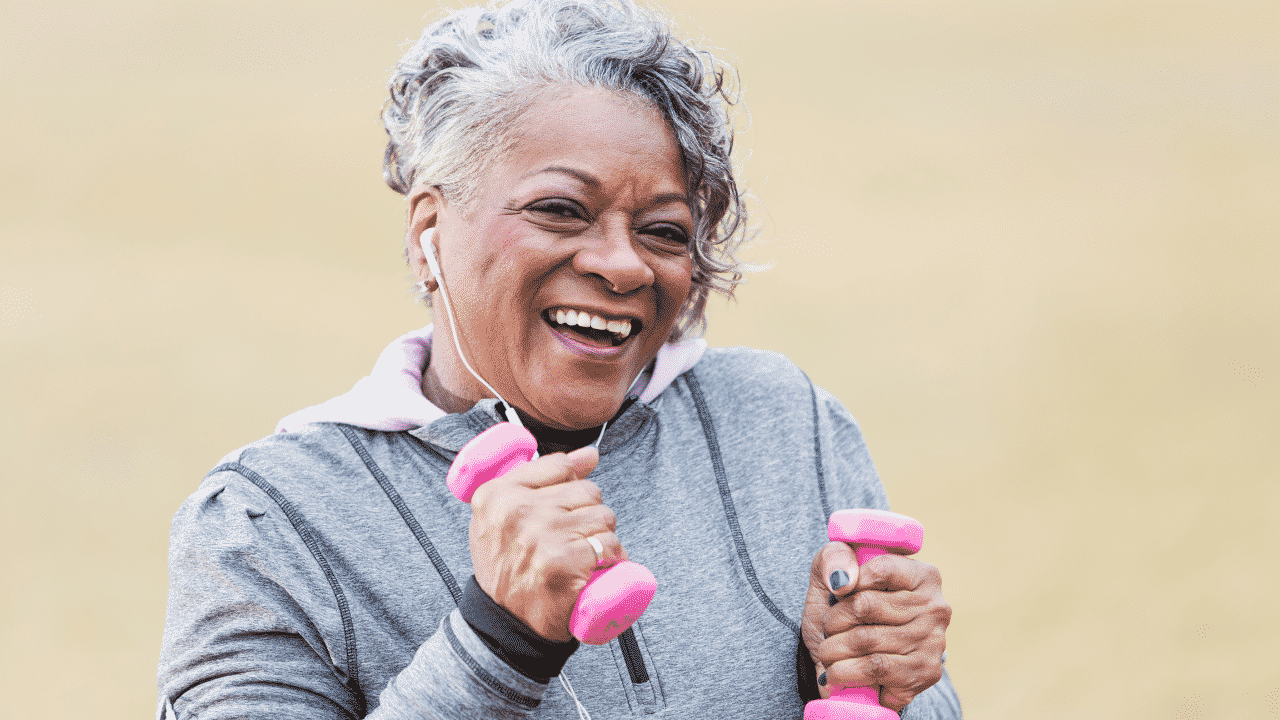
Many older adults I know take regular exercise classes at a gym, their local senior center, or the YMCA. With social distancing, however, these options may not be available. But, you don’t have to throw in the proverbial sweat towel. There are many options for staying physically fit at home. Here are some ideas:
- Take a walk or a hike (a walk or a hike is a great way to maintain social distance and take care of your physical health)
- Stretch or do yoga in your living room. Silver Sneakers is a YouTube channel helping older adults exercise (best of all it’s free) . Try their 7-minute Yoga Workout for Older Adults
- Looking for more rigorous exercise options? There are apps that you can subscribe to that offer a wide range of exercise. There are a wide range of physical activities at Peloton. Or, start with just 7 minute exercises with Johnson and Johnson’s 7 Minute Workout App.
5. Get fresh air
Social distancing doesn’t mean that you have to stay in your house with the windows closed. Fresh air and sunlight are essential to maintaining physical and mental wellness. Here are some ideas for taking in fresh air while also keeping your distance from others:
- Take a walk
- Read a book outside
- Sit outside and drink a glass of water
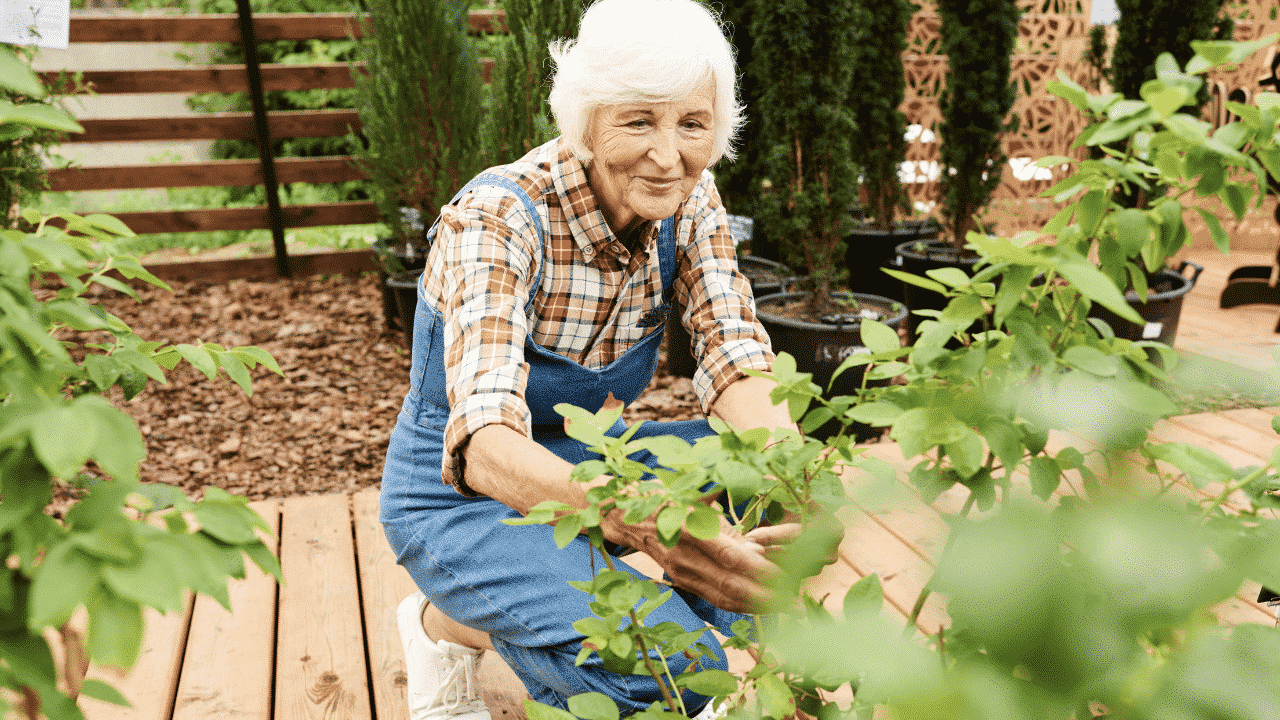
- Garden (even if you can’t get to the store to buy plants or flowers, spend some time pulling weeds or nurturing your plants)
6. Limit your media intake to a couple of credible sources
Getting caught up in the Coronavirus news frenzy can be overwhelming and cause unnecessary stress and anxiety. Limiting the amount of time you spend in front of the media can help. Here are a couple of credible sources to go to for your Coronavirus news:
- The U.S. Centers for Disease Control and Prevention has a webpage dedicated to information on the Coronavirus outbreak.
- The National Council on Aging has helpful information
- Baylor College of Medicine has a Coronavirus Preparedness site
7. Spend time on a hobby (new or old)
Spending time on hobbies not only helps to pass the time, it also helps to reduce stress by focusing on positive and creative activities.
Here’s what my older adult mom, who has chronic medical conditions, and lives alone says she’s been doing to pass the time:
“What I try to do for myself is to read, do research, do my genealogy, do art activities, engage in political discussions, do my exercises, and garden. And play with my companions (pets), and watch the abundant wildlife, which we have plenty of right out my backdoor.”
8. Complete projects around your home
Have you been putting off cleaning out that closet or garage? Social distancing offers the perfect opportunity to complete those household tasks you’ve been putting off. Here’s a strategy for getting your projects done.
- Start by coming up with a list of household projects
- Identify which projects require resources that you would need to buy at a store
- Prioritize the list of projects (consider putting the projects that require outside resources at the bottom of the list)
- Get started on the first project on your list.
- Pace yourself (slow and steady wins the race)
9. Stimulate your mind
Enjoy doing crossword puzzles? Reading books? Playing chess? Keeping your brain stimulated is important during social distancing.
- Not sure if you’ll continue to get your New York Times crossword puzzle in the mail? Now you can get the NYT’s puzzles online!
- Missing your book club? Consider reading your monthly book, then setting up a Zoom call with your book club friends to get together online and talk about the book.
- Not sure how to keep your weekly chess matches going? Call up an old friend and see if they’re up for a chess match on the phone.
10. Try something new!
Social distancing have you watching more TV than usual? Take a break from the TV and listen to a podcast
Give podcasts a try! Podcasts are essentially online radio shows. Here are three to get you started.
- On Being is a Peabody Award-winning public radio show and podcast. It answers the questions: What does it mean to be human? How do we want to live? And who will we be to each other? Each week offers a new discovery about the immensity of our lives.
- TED Talks are short, powerful lectures from experts in all sorts of fields.
- The Psychology of Aging Podcast is your “go-to place online for the mental health and well-being of older adults.
Now for a few reminders related to your physical wellness and safety during COVID-19
Take the time to prepare
- Make sure you have enough medications on hand and share your list of medications with trusted family members, just in case.
- Take the time to put together all of your medical records
- Gather all essential documents. Here is a free checklist to help you organize essential documents
- Take inventory of your medical needs and supplies and needs (oxygen, incontinence, dialysis, wound care, etc) and contact the appropriate providers and programs to make sure that these can be replenished. Create a back up plan for these, just in case.
- Monitor food and stock up on non-perishable food items to have on hand in your home to minimize trips to stores. Contact loved ones to create a back up plan for replenishing food.

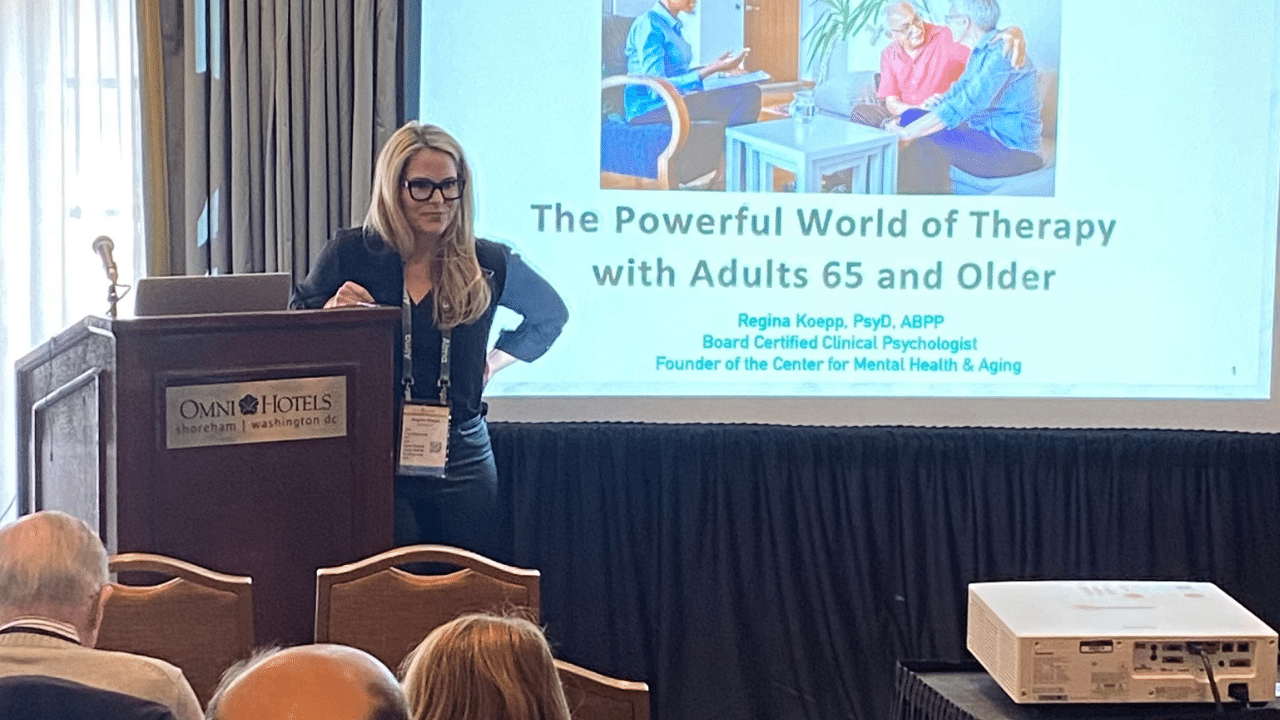
Dr. Regina Koepp is a board certified clinical psychologist, clinical geropsychologist, and founder and CEO of the Center for Mental Health & Aging: the “go to” place for mental health and aging. Dr. Koepp is a sought after speaker on the topics of mental health and aging, caregiving, ageism, resilience, intimacy in the context of life altering Illness, and dementia and sexual expression. Dr. Koepp is on a mission to ensure mental health and belonging for older adults, because every person at every age is worthy of healing, transformation, and love. Learn more about Dr. Regina Koepp here.
Regina Koepp, PsyD, ABPP












Want More? Read Our Most Recent Posts


Older adults deserve high quality mental health care.
Therapists deserve the training to provide that care.