Today, I want to talk about how to challenge our stereotypes about older adults.
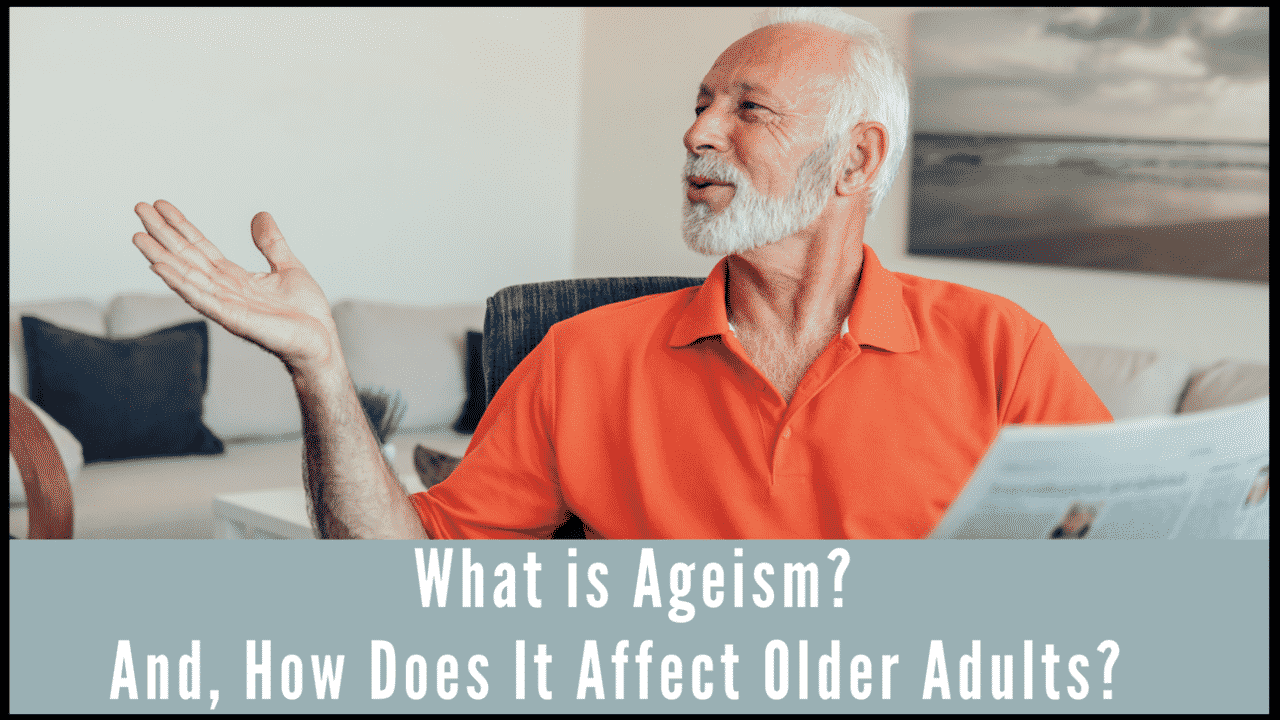
Ageism is Bias and discrimination based on age and it affects older adults more than any other age group. Check out my episode from last week, where I talk about ageism and how it affects older adults.
I want to start by saying that categorizing and stereotyping people and developing bias and prejudice are a normal aspects of the human experience- we all do it, no matter our age, race, gender, sexual orientation, etc – we all do it. It’s a common human phenomenon. So, if you find yourself falling into the bias trap about others, it can help to remind yourself that you’re human.
But even though its common, it’s not healthy, and it’s actually very harmful. As humans we’re good at creating biases and stereotypes, but as humans we’re also really also good at learning, healing, and growing.
So I am going to challenge us to make concerted effort to correct the prejudices and biases we’ve learned throughout our lives (and that we’ll continue to learn) in order to live a healthier life and help others live a healthier life as well.
To help us do this, I want to share…
3 strategies for challenging our stereotypes about older adults and to help us stop being so darn ageist.
1. Develop Awareness about your own bias and privilege.
- Get educated by watching this episode, and my last episode on What is Ageism and How does it Affect Older Adults can help.
- Engage in a Self-Reflective Practice where you learn about yourself and what might contribute to your ageist thoughts and beliefs.
Here are some reflection questions to get you started:
– Consider the year you were born and your generational influences.
– Consider how age factors into your relationships with your friends, colleagues, family members.
– If you’re younger than 65 years old, reflect on ways that you may have unconsciously engaged in ageist thoughts or actions (e.g., “shouldn’t they retire”… “they’re surprisingly sharp”… “of course they’re depressed, they’re old”). Did you even know that these are ageist thoughts? How have you tried to correct these ageist episodes/thoughts?
– If you are 65 or older, reflect on ways that you have experienced ageism either toward others or even toward yourself. How have you tried to correct these ageist episodes/thoughts?
- Taking an assumptions test, like the Harvard Implicit Association Test can help develop your awareness about your own unconscious bias as it relates to older adults.
- It can help to ACKNOWLEDGE your own age privilege. For example. I’m 43 years old and have age privilege with work- I can easily get a job, housing- people will not discriminate against me if I am applying to rent an apartment, and in my community, people look at me as if I belong- they see me.
2. Walk a mile in someone else’s shoes.
The second strategy is “Perspective Taking”. This is the idea of walking in someone else’s shoes or imagining certain experiences from their perspective.
- Consider seeking out workshops that will help you do this, like with SAGE which is a non-profit organization for LGTBQ older adults. Learn more about them here!
- Watch movies or TV shows that explore the full range of older adulthood, not just a stereotypical view. Here are some examples:
- The Kominsky Method w/ Michael Douglas and Alan Arkin (TV Show)
- Grace & Frankie w/ Jane Fonda and Lily Tomlin (TV Show)
- Away from Her w/ Julie Christie (Movie)
- Gran Torino w/ Clint Eastwood (Movie)
- Young at Heart (Documentary)
3: Shift your focus.
Shifting our focus means that we try to see things with a new lens. Here are three ways to do this!
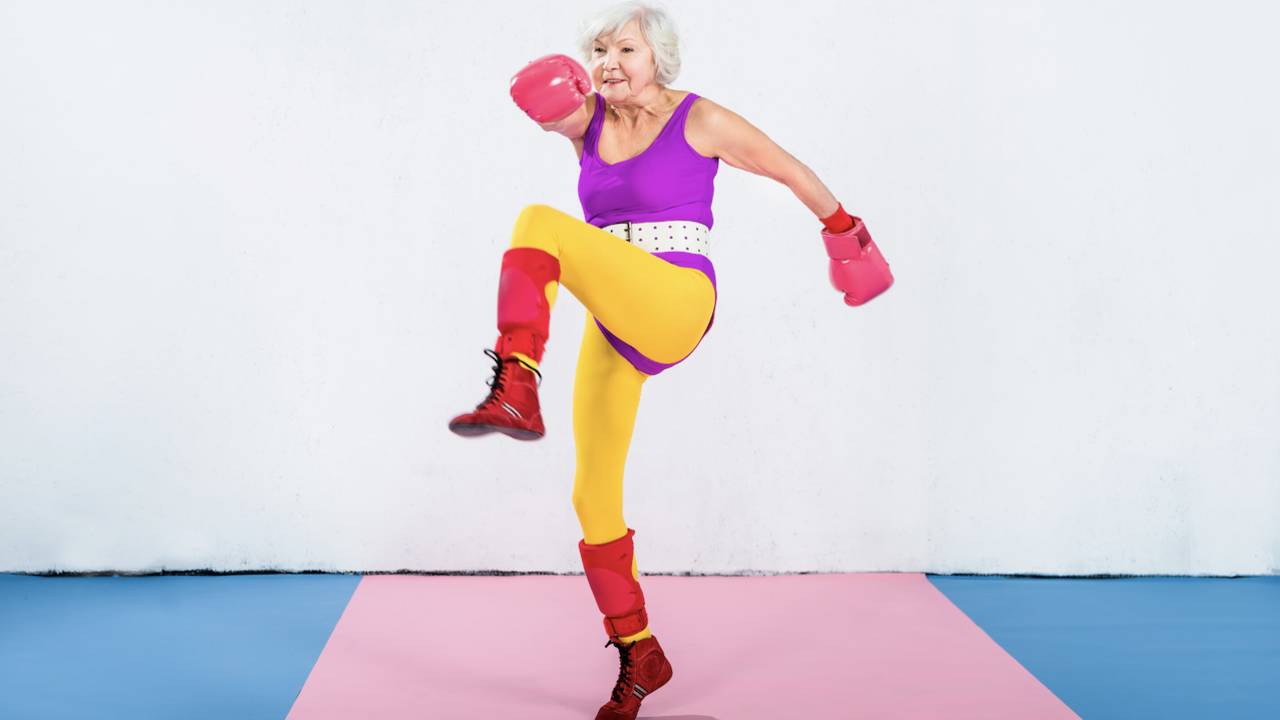
- Shift your focus from a stereotypical view of older adults to a “counter-stereotype”. This is where you put a picture in your mind of older adults that are the opposite of the stereotype. For example. My favorite counter-stereotype image is of Ida Keeling who was the first woman ever to run 100 meters at 100 years old. And do you want to know Ida Keeling’s secret to aging? “You have to love yourself”

- Shift how you interact with older adults. If you realize that you’re only around older adults who are sick or at the end of their life, then I’d encourage you to look for opportunities to interact with older adults who are in a healthier and more active season of their life.
- Shift your focus from a general idea of older adults like “all older adults are frail” or “all older adults are depressed” or “all older adults have dementia” (all of which are inaccurate by the way) to thinking of an individual older adult and looking at their unique attributes rather than the stereotypical qualities
And there you have it! Three very simple strategies to challenge our biases and assumptions about older adults. They take some effort to implement, but the benefits will help older adults live healthier, happier, AND longer. Don’t believe me? Learn more here!
Challenging your assumptions and biases about older adults will not only benefit others… it will benefit YOU, as well. You’ll find yourself living with a greater sense of grace and integrity in this world… and who doesn’t want that?! And if that’s not reason enough, you, yourself will be an older adult one day, and don’t you want people to look at you in all of your complexity and not just whittle you down to a stereotype? Yeah. Me too!
Join me next week where I talk about older adults and depression. And no! Depression is NOT a normal part of aging.
Want to learn more about caring for aging parents?
I wanted to share with you an important freebie, that’s something free, I made just for you. It’s called, The Ultimate Caring for Aging Parents Checklist. This checklist will get you started with managing the most complicated situations with your aging parents, including how to start the conversation about needs and wishes with aging, a list of essential documents you’ll need to gather, and strategies for taking care of yourself along the way. So, take a moment to download it.

Related Episodes:
- Why Is Driving So Important to Seniors (Ep #013)
- Talking With Older Adults About Stopping Driving Without Pushing Them Away! (Ep #019)
- Dementia is NOT a Normal Part of Aging (Ep #024)
- What is Ageism? And, How Does It Affect Older Adults (Ep #034)
Resources mentioned in this episode (and some extras)!

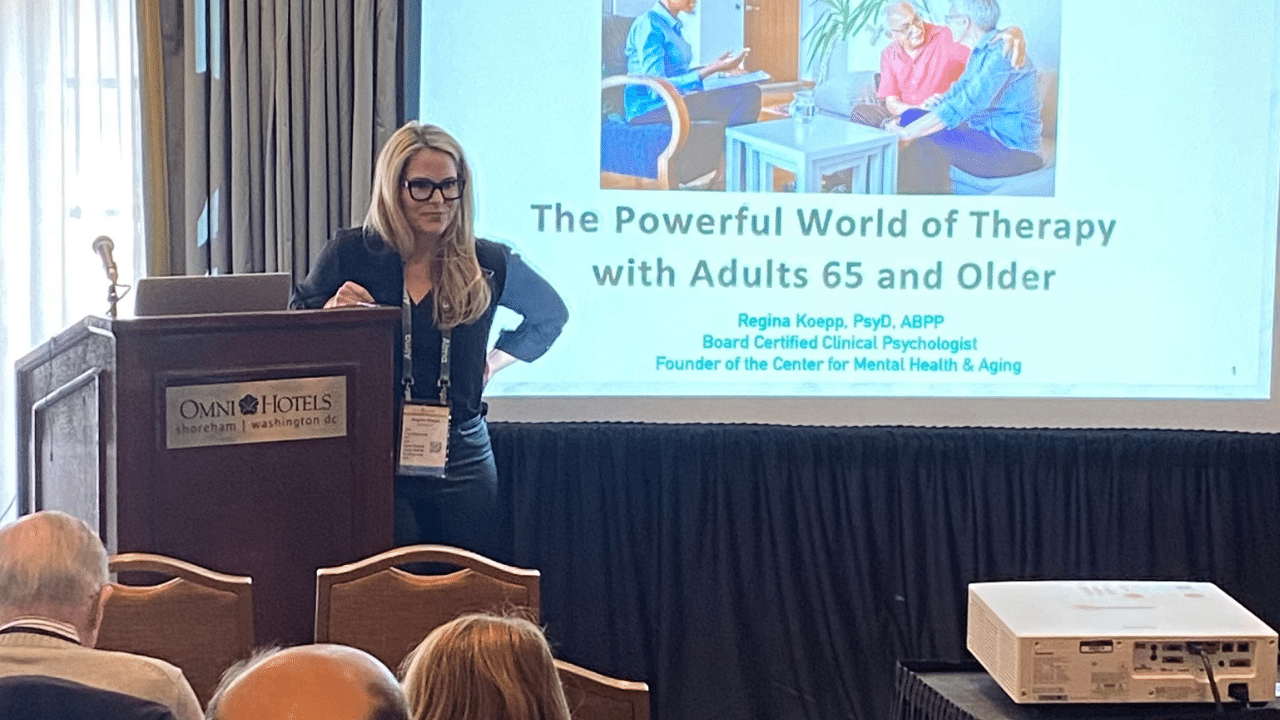
Dr. Regina Koepp is a board certified clinical psychologist, clinical geropsychologist, and founder and CEO of the Center for Mental Health & Aging: the “go to” place for mental health and aging. Dr. Koepp is a sought after speaker on the topics of mental health and aging, caregiving, ageism, resilience, intimacy in the context of life altering Illness, and dementia and sexual expression. Dr. Koepp is on a mission to ensure mental health and belonging for older adults, because every person at every age is worthy of healing, transformation, and love. Learn more about Dr. Regina Koepp here.
Regina Koepp, PsyD, ABPP



































Want More? Read Our Most Recent Posts


Older adults deserve high quality mental health care.
Therapists deserve the training to provide that care.