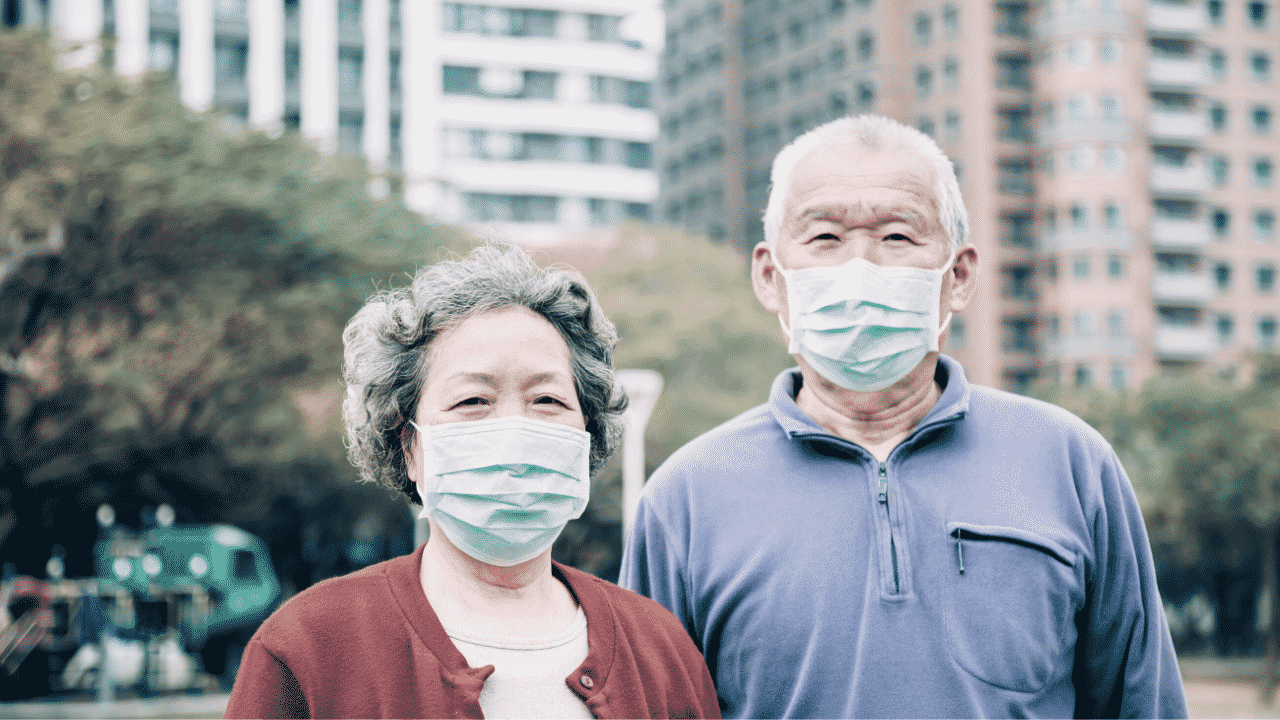
Coronavirus: Isolate the Elderly was the sign on the freeway that I would see twice a day as I drove to and from work at a busy medical center in a Geropsychiatry Outpatient Clinic to provide tele-therapy to older adults and their families during COVID. I cringed every time I drove past this sign.
Since COVID started, I have received several emails from people who care about older adults expressing concern for them. Like, a college professor who reached out to me to express concern that her father, who is a physician, made the decision to leave retirement to return to work in a medical clinic during COVID. She shared with me that she was appalled and went so far as to call his medical practice and complain.
There have been countless ageist expressions since the coronavirus started. And the problem with ageism, even well-meaning ageism, is that it has the effect of harming older adults rather than helping them.
I’ll start with the sign on the freeway: Coronavirus: Isolate the Elderly. While this sign, like the college professor, is well-meaning to protect older adults from contracting COVID, it actually has the effect of putting them in harm’s way. Here’s how: The idea that older adults need to be isolated is in direct contrast to the American Psychological Association’s (APA) recommendation that we need to “encourage social distancing, not social isolation.” The APA reminds us that while physical distancing is vital to reducing the spread of COVID-19, social isolation among older adults increases the risk of early death, heart disease, and dementia. Older adults living in long-term care communities are also especially vulnerable to the toll of isolation.
What Is Ageism?
The APA Committee on Aging (APA CONA) defines ageism as “stereotyping and discrimination against individuals or groups based on their age. It can include prejudicial attitudes, discriminatory practices, or institutional policies and practices that perpetuate stereotypical beliefs.”
Ageism can take on many forms
I want to draw your attention to three strains of ageism described in a recent Columbia Mailman School of Public Health article:
- Hostile ageism is the most overt type of ageism, which shows up in the form of physical, financial, and verbal abuse. It’s also implicated in the perception of older adults as a drain on societal resources. The term “Silver Tsunami” that is used to describe the baby boomer population “flooding” society and depleting all of its resources is one example. During COVID, the hashtag, “boomer remover” used across social media platforms is another harmful example.
- Neglectful ageism is a variation of ageism that overlooks the contributions of older adults and makes them invisible. For example, under the initial perception of COVID-19 as a disease primarily affecting older and immunocompromised persons, many healthy younger adults initially ignored recommendations to socially isolate and protect their older relatives. The pendulum may have swung too far the other way, leading us to the third strain of ageism…
- Benevolent ageism is a compassionate but paternalistic point of view, grouping older adults together as one uniformly frail and vulnerable population requiring protection (e.g., Coronavirus: Isolate the Elderly). This type of ageism is harmful in that it degrades an individual’s sense of self-efficacy (e.g., the college professor calling her father’s place of work to complain that her father had returned to work).
What Can We Do About Ageism?
Now that we can all agree that ageism is bad (don’t do it), what can we do about ageism? Here are APA CONA’s tips to help older people, their families, caregivers, and health professionals confront ageism during this pandemic… and a few strategies of my own:
Be self-aware. Ageism is pervasive and often difficult to detect. Developing awareness of your own ageist attitudes, language and behavior is a great place to start (doctor, heal thyself). Here are some of my favorite strategies for doing this:
- Engage in a self-reflective practice where you learn about yourself and what might contribute to your ageist thoughts and beliefs.
- Take an assumptions test, like the Harvard Implicit Association Test, and discover your own unconscious bias as it relates to older adults.
- Acknowledge your own age privilege.
Remember that older adults are diverse and have intersecting identities. As such, ageism interacts with other stigmatized identities like sex, race, gender, ability, and sexual orientation and can create a phenomenon of double jeopardy, triple jeopardy, and so on creating higher levels of risk and disenfranchisement and reduced levels of access to resources and care.
Naturally, this will influence their resources and ability to cope effectively during a crisis. When addressing and responding to the COVID-19 pandemic, use an individualized lifespan approach to meet the needs of and care for older adults, not just their chronological age.
Speak out against ageism by providing feedback when you see ageism showing up. Ageism is so ingrained in us and our culture that many people are not aware of ways their language and behaviors negatively portray older adults. Some ways that I speak out against ageism are in my Psychology of Aging podcast, in my blog posts, and when I present on older adults and their families.
Shift your focus — meaning, try to see things with a new lens. Shift away from the stereotype. For example:
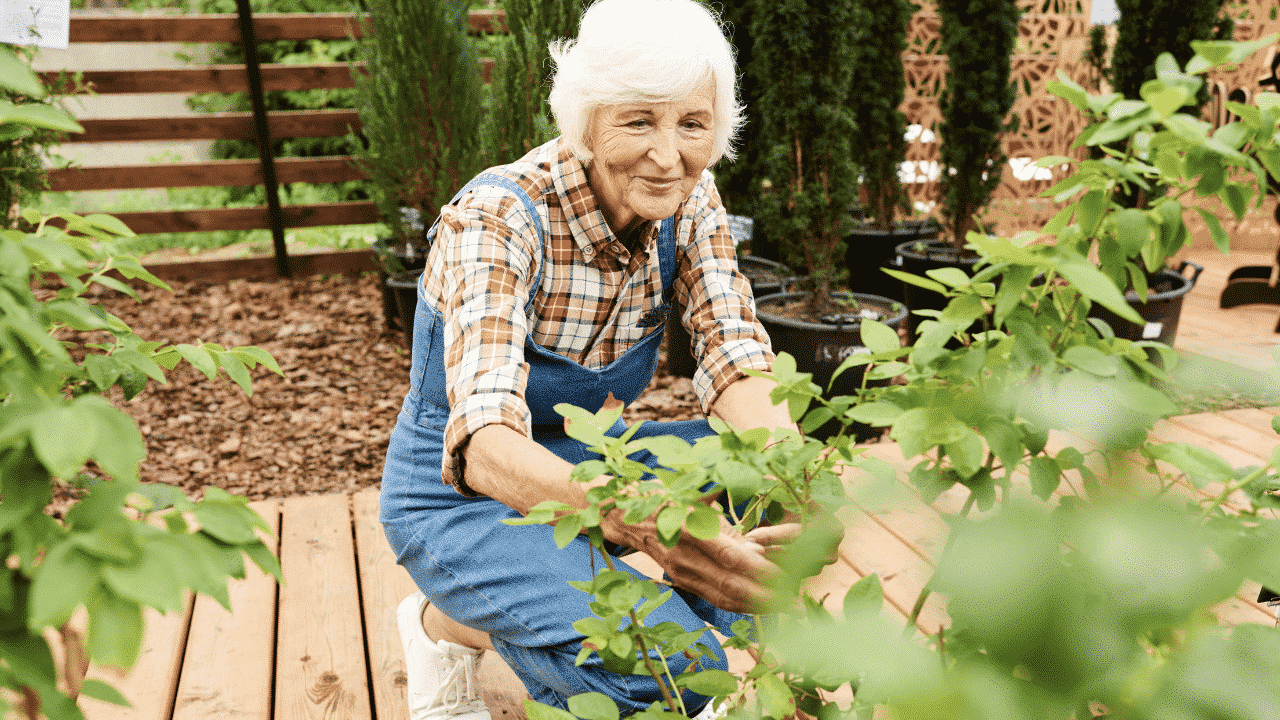
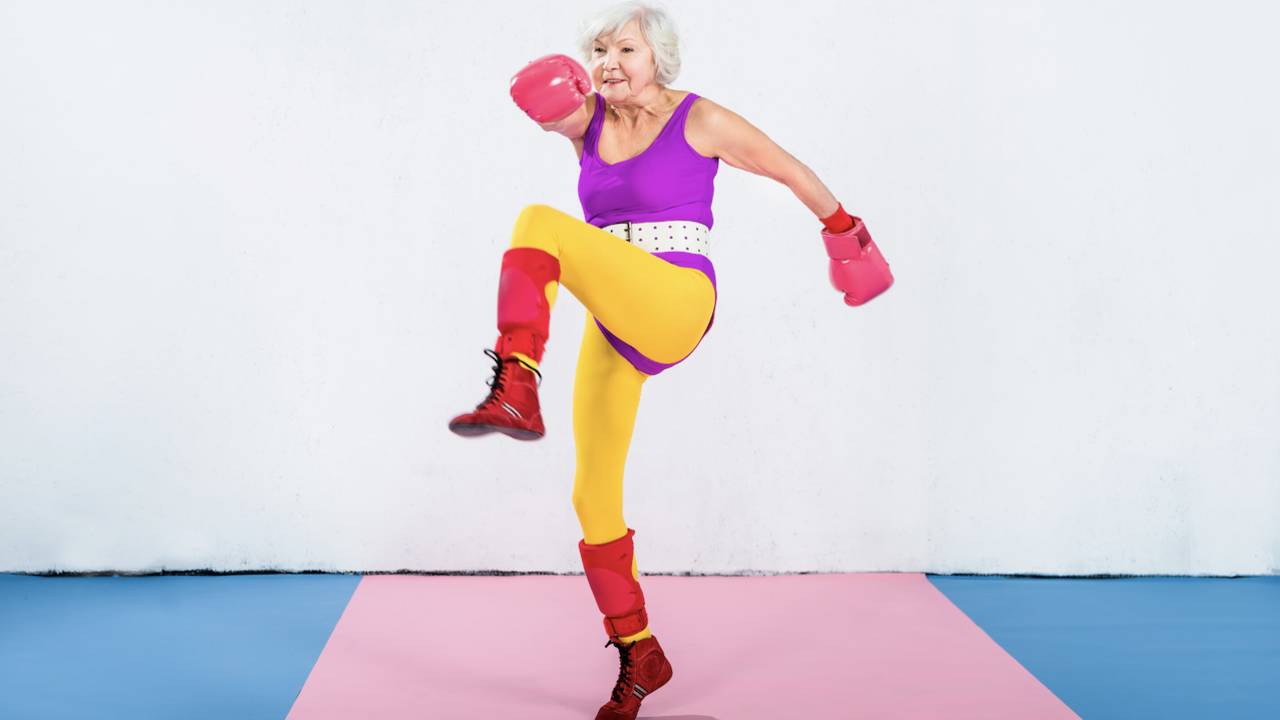
- Shift your focus from a stereotypical view of older adults to a “counter-stereotype.” This is where you put a picture in your mind of older adults that are the opposite of the stereotype. During the COVID pandemic, I balance the news of one-third of the COVID deaths occurring among nursing home residents and nursing home workers with images and stories of older adults surviving COVID, like the one of 107-year-old Marilee Shapiro, the therapist, artist, mother, and centenarian who recently beat COVID.
- Shift how you interact with older adults. If you realize that you’re only around older adults who are sick or at the end of their life, then I encourage you to look for opportunities to interact with older adults who are in a healthier and more active season of their life.
Spread the facts. Sharing accurate information is vital to ensure the responses to COVID-19 benefit everyone. Make sure health workers, policymakers, and health care administrators are aware of diversity among older adults. Older adults experiencing double or triple jeopardy as a result of intersecting identities may be at particular risk for the negative consequences of ageism. If you work with these groups, you have an important role in advocating for their needs.
I am happy to say that in the past week, the sign on the freeway changed to Coronavirus: Protect the Vulnerable. Now, that is a statement I can get behind.
Dr. Regina Koepp is a Contributing Author for Psychology Today, where this article was originally published on 6/22/20

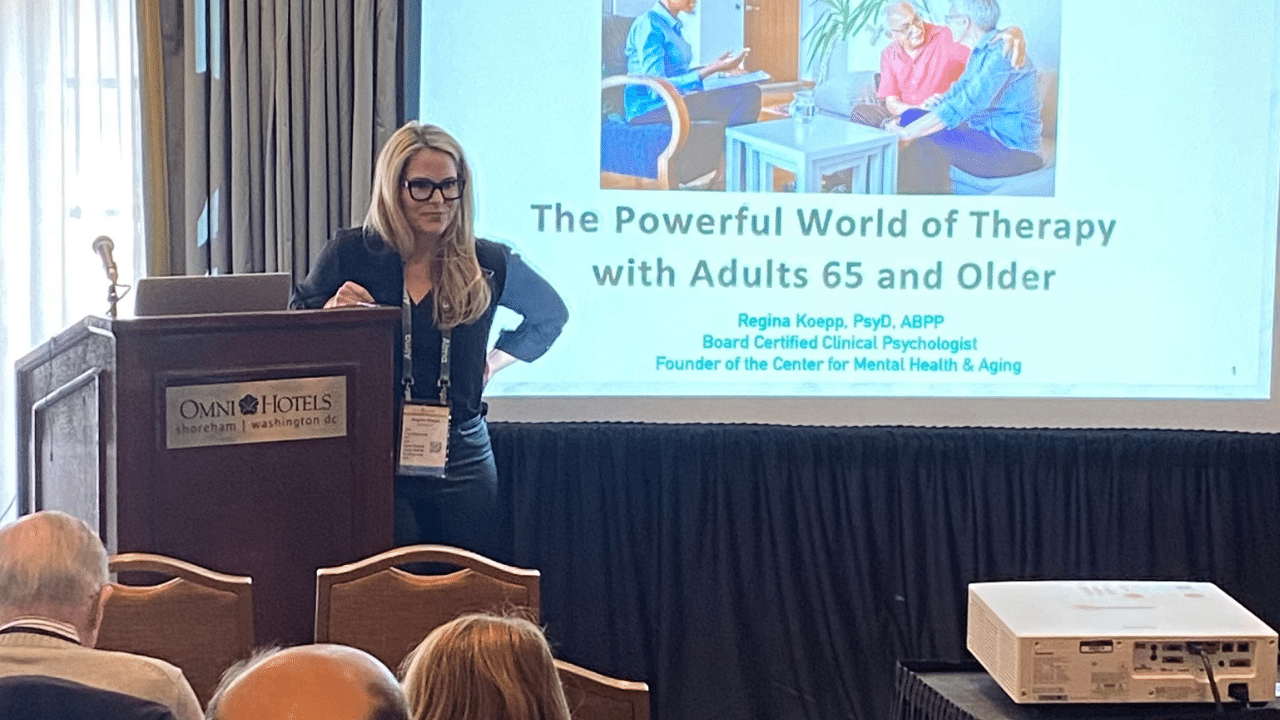
Dr. Regina Koepp is a board certified clinical psychologist, clinical geropsychologist, and founder and CEO of the Center for Mental Health & Aging: the “go to” place for mental health and aging. Dr. Koepp is a sought after speaker on the topics of mental health and aging, caregiving, ageism, resilience, intimacy in the context of life altering Illness, and dementia and sexual expression. Dr. Koepp is on a mission to ensure mental health and belonging for older adults, because every person at every age is worthy of healing, transformation, and love. Learn more about Dr. Regina Koepp here.
Regina Koepp, PsyD, ABPP
























Want More? Read Our Most Recent Posts


Older adults deserve high quality mental health care.
Therapists deserve the training to provide that care.