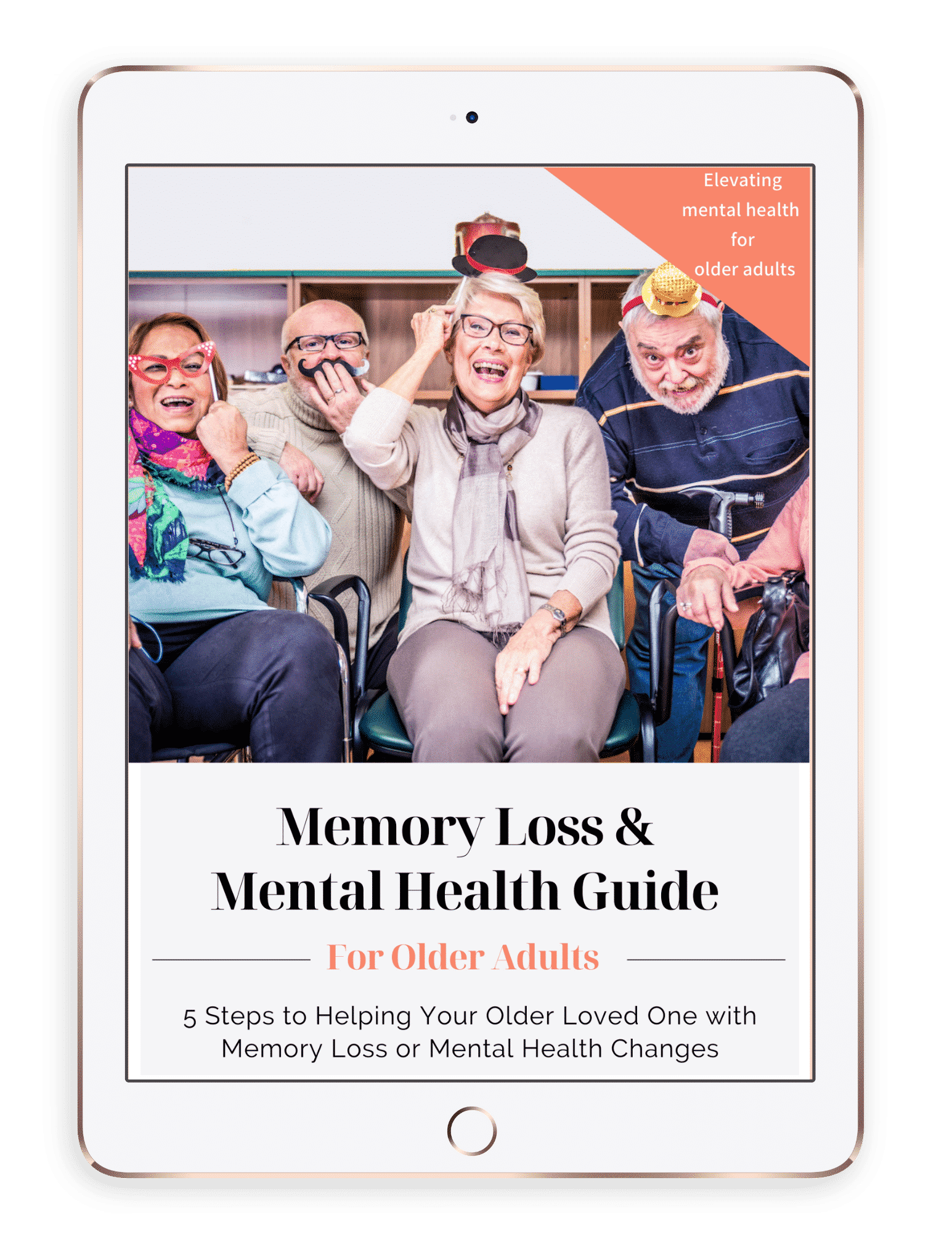
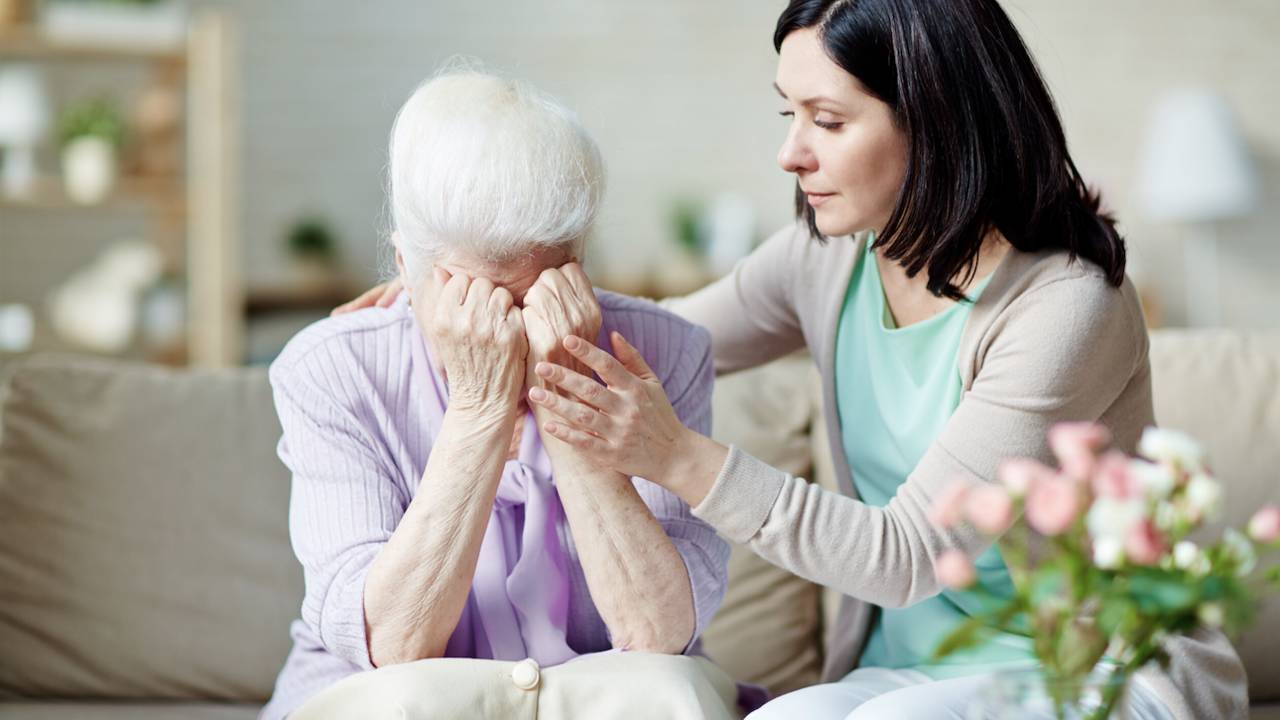
Ageism poses a threat to mental health and well-being, especially for older adults. Research shows that ageism can significantly impact the psychological well-being of older individuals. From depression to anxiety, the effects of age-based prejudice are harmful.
Ageism includes stereotypes (how we think), prejudice (how we feel), and discrimination (how we act) towards others or oneself based on age.
But what exactly does ageism do to the mental health of older adults, and how can we address it?
Ageism is a pervasive issue that affects millions of older adults worldwide. In a comprehensive review of 422 global studies, 85% revealed that ageism was linked to older people being denied access to healthcare treatments. Equally concerning, 95% of the studies showed that ageism negatively impacted psychiatric conditions like depression, contributing to increased depressive symptoms over time. This systemic prejudice, whether intentional or not, directly harms the psychological and physical well-being of older adults, leading to a cascade of negative health outcomes.
From being excluded from clinical trials to facing limited job opportunities and the rationing of medical resources based solely on age, the structural nature of ageism creates significant barriers for older adults. These barriers not only limit access to healthcare but also diminish their quality of life. Understanding and addressing these issues is crucial to promoting the mental health and well-being of aging populations across the globe.
The Psychological Toll of Ageism on Older Adults
A comprehensive review of 13 studies reveals a troubling reality: ageism has a direct and damaging effect on the mental health of older adults. Those who experience or even perceive ageist behavior report significantly lower levels of well-being. When older adults internalize these negative stereotypes—believing that aging automatically leads to decline—the harm is even greater. This internalized ageism can foster feelings of worthlessness, depression, and anxiety, exacerbating mental health challenges.
The stress process model helps explain why. According to this theory, repeated exposure to ageism serves as a constant stressor, contributing to a cycle of mental health issues like depression and anxiety. Unlike many other stressors, though, ageism cannot be tackled by individuals alone. It is a deeply rooted, socially accepted form of prejudice, and addressing it requires collective action across all age groups.
Another way to understand the impact of ageism is through the stereotype embodiment framework. This model suggests that older adults internalize negative beliefs about aging over a lifetime of exposure. These ingrained stereotypes can have far-reaching effects, leading to both mental and physical health issues. Breaking free from these harmful beliefs is critical to enhancing the overall well-being of older adults.
How Internalized Ageism Impacts Mental Health
It’s not just about external forces. When older adults begin to believe the negative stereotypes society pushes about aging, it leads to internalized ageism. This mental trap can exacerbate existing emotional and psychological issues, causing older adults to feel less capable, less valuable, and ultimately less well.
In a study focusing on older Veterans, researchers found that the acceptance of ageist stereotypes had significant consequences. Veterans who fully internalized these negative beliefs were much more likely to experience mental health challenges, including anxiety, post-traumatic stress disorder (PTSD), and suicidal thoughts. On the other hand, older Veterans who actively resisted negative age stereotypes showed much lower rates of anxiety, PTSD, and suicidal ideation. This stark contrast illustrates how rejecting ageist beliefs can be a powerful protective factor for mental health.
These studies underscore the importance of addressing internalized ageism, not just for the sake of individual well-being, but also to ensure that older adults receive the mental health care and support they deserve.
The good news is that we can do something about this. Research also points to several factors that can help protect mental health, even in the face of ageism.
5 Ways to Protect Mental Health Against Ageism
While ageism is harmful, there are effective ways to buffer its impact on older adults’ psychological well-being. The research identifies five key factors that help reduce ageism’s negative effects:
- Pride in Aging: Older adults who embrace their age and feel proud to be part of their generation experience less mental health harm from ageism.
- Emotional Resilience: Learning to manage and reduce negative emotions like anger, sadness, or frustration helps protect mental health.
- Positive Aging Mindset: Having a positive view of the aging process and a hopeful outlook on the future greatly improves well-being.
- Body Confidence: Feeling good about one’s body, regardless of age, helps older adults maintain mental and emotional health.
- Flexible Life Goals: Being able to adjust life goals and expectations as we age ensures a healthier, more fulfilling life.
These protective factors not only help combat the negative effects of ageism but can also serve as a blueprint for future mental health interventions aimed at older adults.
Structural Ageism: Barriers to Healthcare and Opportunities
Ageism is not just a matter of individual bias; it is deeply embedded in the structures and systems that shape society.
Structural ageism refers to the ways in which older adults are systematically disadvantaged in key areas like healthcare (including mental health care), employment, and research. The consequences of structural ageism can severely impact the quality of life for older individuals, limiting their access to critical resources and opportunities. Some key forms of structural ageism include:
- Denial of access to healthcare: In some healthcare settings, older adults may be deprioritized or even denied access to certain medical treatments simply because of their age.
- Rationing of medical resources: Older adults often face resource limitations, where medical services or treatments are rationed based on age, under the assumption that younger populations are more deserving of care.
- Exclusion from clinical trials: Clinical research is vital for advancing medical care, yet older adults are frequently excluded from participating in trials. This exclusion means treatments are less likely to be tailored to the unique needs of aging populations, leading to poorer health outcomes.
- Limited work opportunities: Despite having valuable skills and experience, older adults are often pushed out of the workforce or face significant barriers when seeking new employment. Age-based hiring discrimination, forced retirements, and fewer opportunities for retraining or career advancement are common challenges they face.
Structural Ageism has also been identified as playing a role in addressing suicidality and referrals to mental health care among older people. A 2017 study examined how older adults with suicidal ideation were treated in Emergency Rooms and uncovered a troubling trend. Older adults were significantly less likely to receive a mental health evaluation or be discharged with referral information for follow-up care compared to younger adults. This disparity in care highlights how ageist attitudes can influence treatment decisions, leaving older adults more vulnerable and underserved in critical moments.
These forms of structural ageism create unnecessary barriers, reducing the quality of life, autonomy and dignity of older adults. Addressing structural ageism is critical to improving the health, social integration, and overall well-being of aging populations.
How Mental Health Providers and Aging Services Professionals Can Address Ageism
To effectively combat ageism and improve the mental health and well-being of older adults, mental health providers and aging services professionals can take the following steps:
- Integrate Ageism into Conversations on Diversity, Inclusion, and Social Justice
Ageism should be part of our broader discussions on equity. By including ageism in initiatives for diversity and inclusion, we can raise awareness and foster a more inclusive society that values individuals across all stages of life. - Support Professional Development Focused on Treating Older Adults
Expand training opportunities that emphasize the mental health needs of older adults. Continuous learning in this area helps professionals better understand and treat the unique psychological challenges this population faces. Our Center for Mental Health & Aging offers many such CEU courses and staff trainings. Learn more here. - Highlight the Strengths of Aging
Shift the narrative around aging by focusing on the psychological resilience, life experience, and strengths of older adults. This positive framing helps counteract negative ageist stereotypes that assume decline is inevitable. - Examine and Mitigate Personal Age Biases
Mental health professionals should reflect on their own biases and assumptions about aging. Avoid making automatic assumptions, such as equating age with memory loss or disability. Instead, approach each person as an individual with unique needs and strengths. We have a free CEU course to help you do this here. - Use Inclusive Language
Language matters. When referring to this population, use inclusive terms like “older adults,” “older persons,” or “people over 65.” Avoid ageist terms like “elderly” or “geriatric,” which may carry negative connotations. Here’s a free guide to help you learn more. - Include Older Adults in Psychological Research
Older adults are often underrepresented in research, despite having unique protective and risk factors for mental health conditions. Expanding research to include age-specific studies will provide valuable insights into aging and mental health. - Promote a Healthy Aging Narrative
When discussing mental health and aging, highlight the positive aspects. For example, research shows that mental illness is less prevalent in older age, emotional regulation tends to improve, and psychopathology remains treatable. Spreading this narrative can challenge the stigma around aging and mental health. - Advocate for Mental Health Services and Policy Reform
Engage in advocacy efforts at the local, state, and national levels. Speak to policymakers about the need for expanded mental health services and Medicare reimbursement for older adults. Advocacy plays a crucial role in ensuring that older populations receive the care and support they deserve.
Improving mental health outcomes for older adults is not just about addressing the needs of an aging population—it’s about honoring the rich lives, experiences, and contributions of those who shape our world. Every older adult deserves to live with dignity, emotional wellness, and the support they need to thrive. By challenging ageism and advocating for better mental health care, we can ensure that aging is seen not as a decline, but as a vibrant and meaningful stage of life.
Join me in this mission to improve mental health care for older adults by expanding your knowledge and taking action. Start by enrolling in a free Continuing Education (CE) course on Ageism, and together, we can create a future where older adults are fully supported and valued.


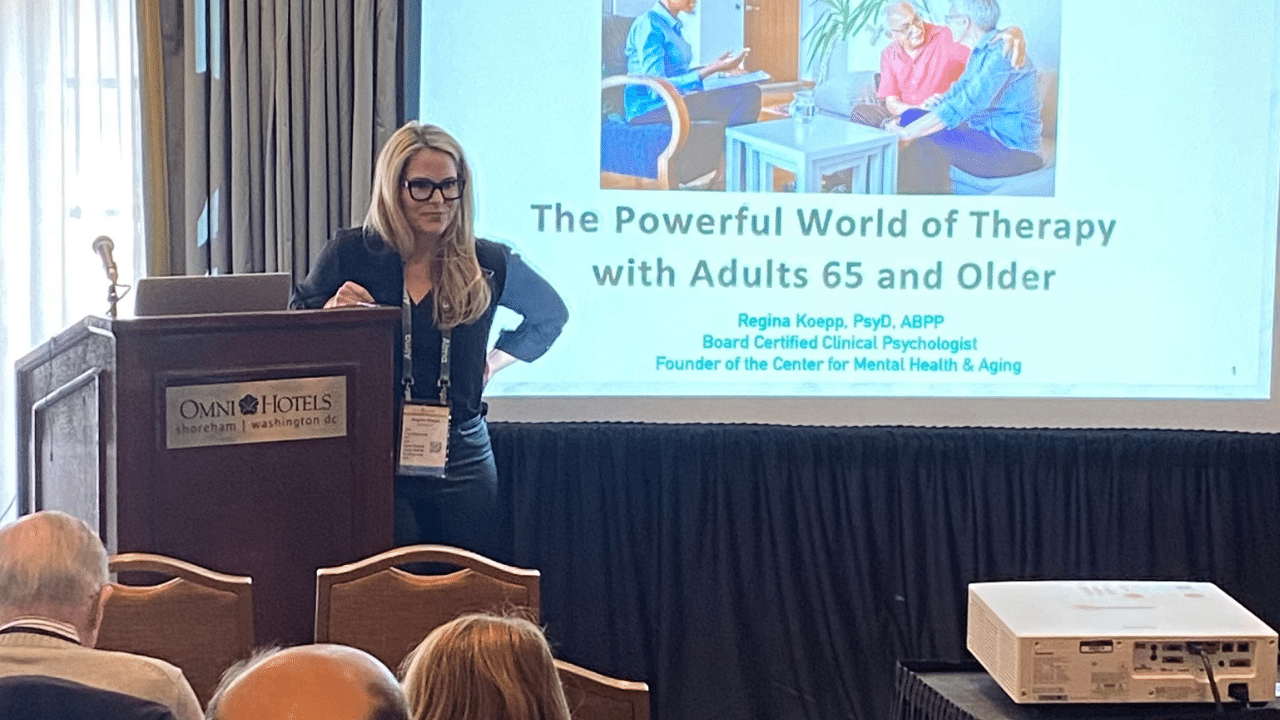
Dr. Regina Koepp is a board certified clinical psychologist, clinical geropsychologist, and founder and CEO of the Center for Mental Health & Aging: the “go to” place for mental health and aging. Dr. Koepp is a sought after speaker on the topics of mental health and aging, caregiving, ageism, resilience, intimacy in the context of life altering Illness, and dementia and sexual expression. Dr. Koepp is on a mission to ensure mental health and belonging for older adults, because every person at every age is worthy of healing, transformation, and love. Learn more about Dr. Regina Koepp here.
Regina Koepp, PsyD, ABPP


































































Want More? Read Our Most Recent Posts


Older adults deserve high quality mental health care.
Therapists deserve the training to provide that care.