How common is pain among people 65 and older?
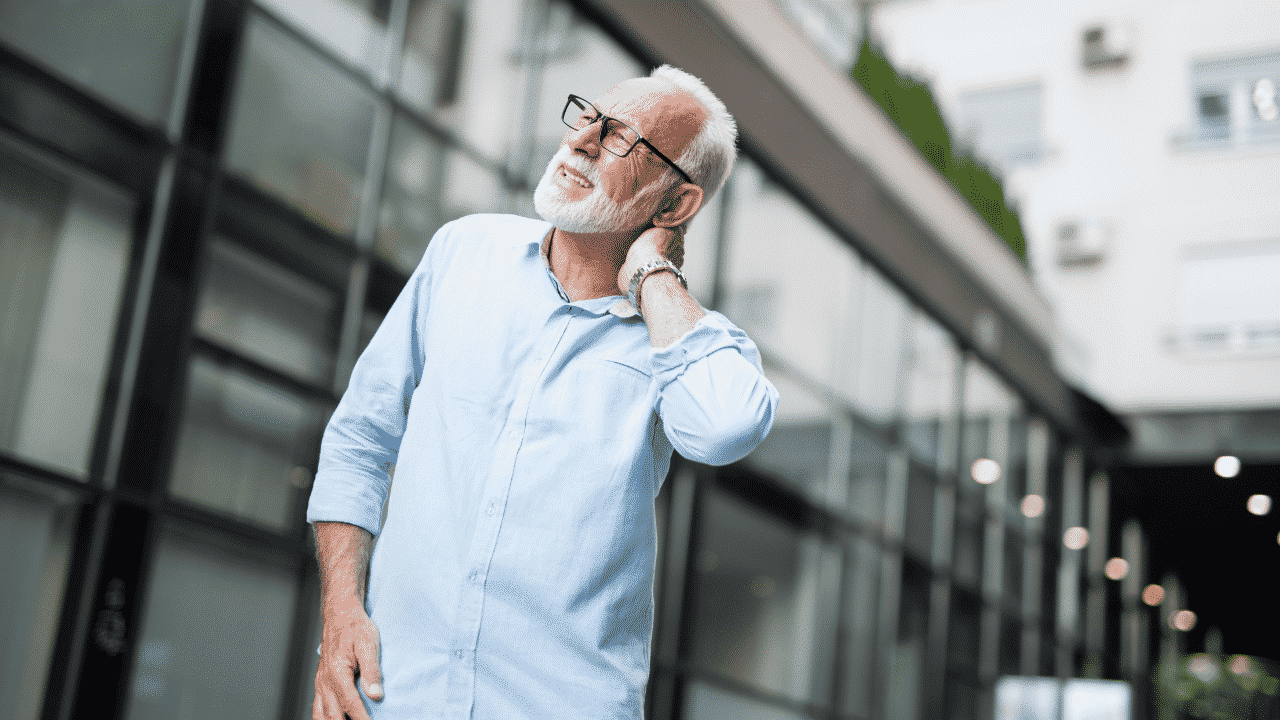
For better or for worse, most of us associate chronic pain with getting older. We assume that as we age, our bodies will naturally break down and that pain is “just part of getting older”. According to a report put out by the CDC in 2016, over 28.4% of adults in the United States experienced chronic or “high-impact” chronic pain, and adults over 65 made up for approximately 60% of those individuals (Dahlhamer et al, 2018). That means over 16,386,000 older adults age 65-84 and 2596000 MORE adults over the age of 85 are living with chronic pain. While it’s true that chronic pain IS very common among older adults, that does not mean that the impact of that pain is any less challenging.
What are common causes of pain among older adults?
For many older adults, the onset of pain can result in a slow decrease in their physical abilities and they may find themselves giving up activities that once gave them a sense of purpose and meaning. For example, Osteoarthritis is one of the most common chronic pain conditions among older adults; impacting approximately 10% of men and 13% of women over the age of 60 (Zhang, 2010). Osteoarthritis is a degenerative joint disease that often impacts the knees and hips first, resulting in pain when engaging in activities such as biking, running, walking, and even sitting for a prolonged period of time. It may not be long after the first twinge of joint pain before older adults with this condition start opting out of activities that they once took for granted.
I recall an older gentleman with osteoarthritis that I worked with telling me that he no longer attended church anymore because sitting in the pew for over an hour was just too painful, and then he had to suffer through even more pain when standing up to walk to the car; it was just too much for him. Giving up attending church was a huge loss for this man; not only did he consider it to be an important part of his faith, but it was also his place of community. He told me that after he stopped attending church that he lost “everything”. He had lost his routine, his sense of purpose, his connection to his faith community, and his motivation to keep moving forward.
What to consider when helping an older adult living with pain?
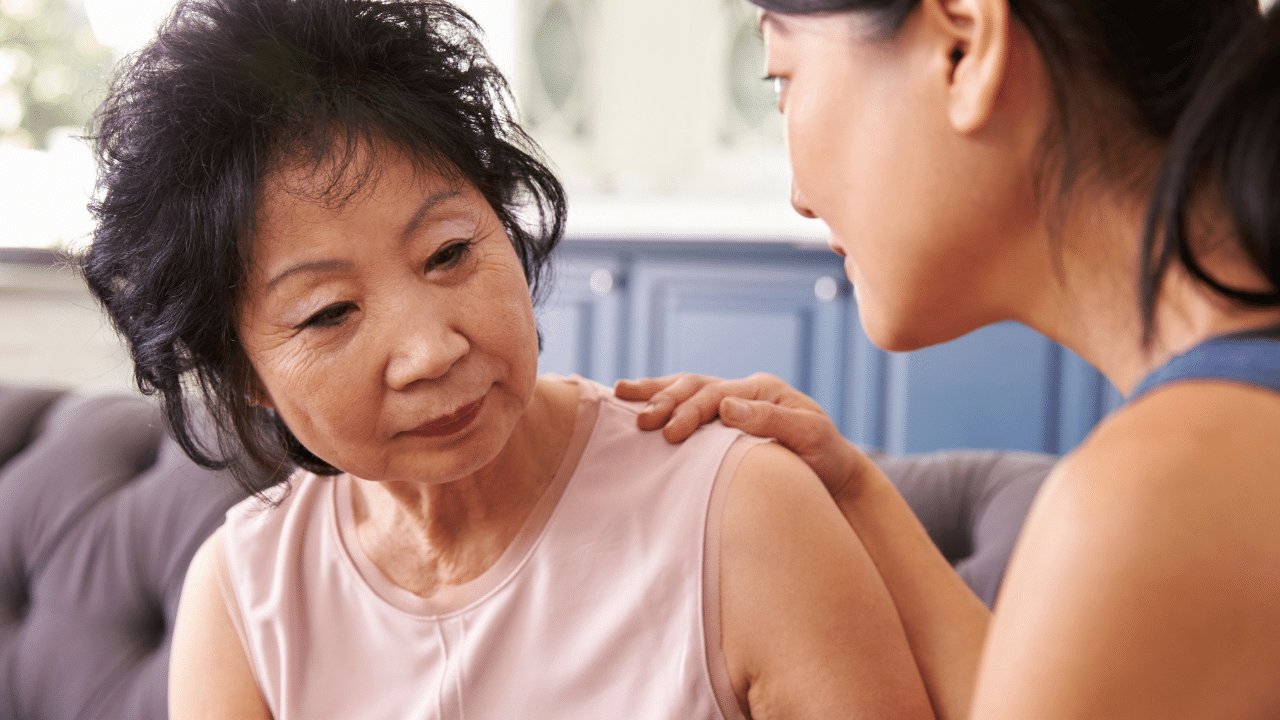
Older people with chronic pain struggle to maintain their sense of independence. It is very common for family members to want to take over as a caregiver when their older loved one is experiencing pain. It’s possible that you have experienced this yourself- maybe that’s what made you click on this post. It’s ok, it makes sense that you might want to step in to spare your loved one pain; however, it may not be as helpful as you think.
I can recall multiple older adults with whom I’ve worked telling me that their adult children or grandchildren had taken over doing all of the household chores or yardwork when the pain started to become more obvious, but ultimately it made their older loved one feel weak, disempowered, and “like a burden”. People, all people whatever the age, want to feel capable. When other people, even people with the best of intentions, step in and start taking tasks/activities/actions away from their loved one in an effort to spare them pain, you may prevent physical pain from worsening but it may also cause unintentional emotional pain.
What is the relationship between pain and depression?
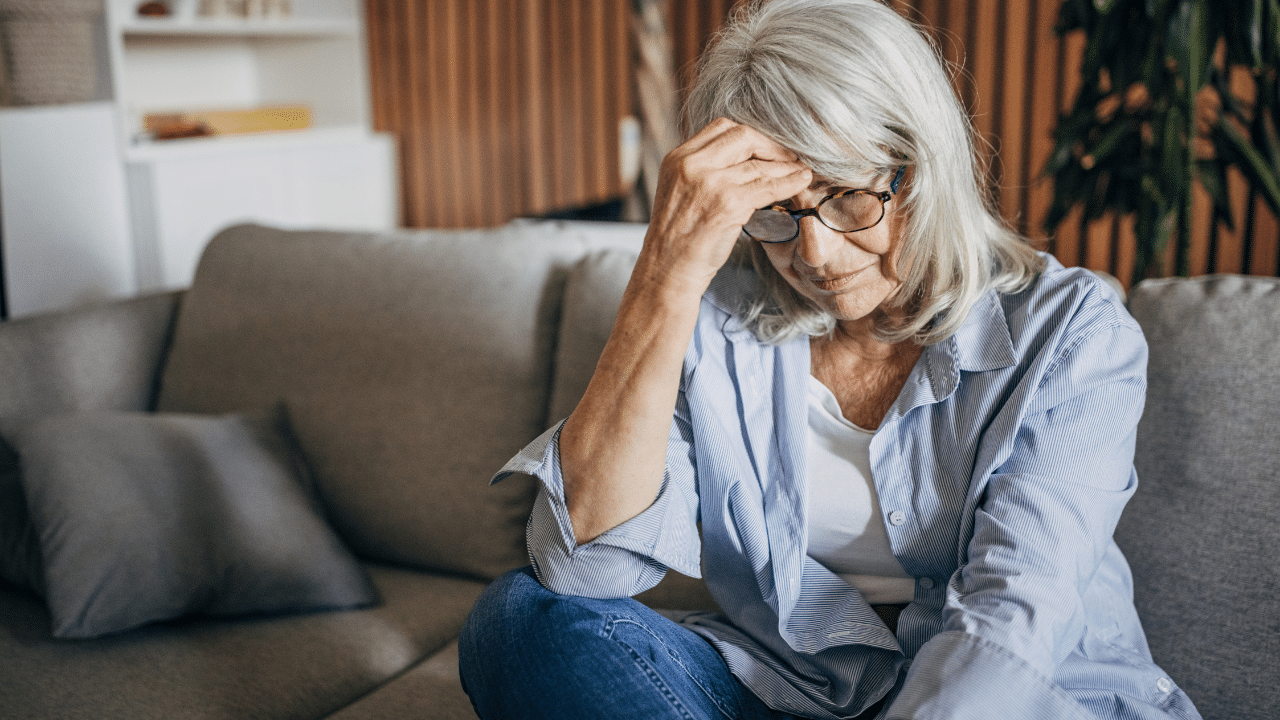
Many scientific studies have found a strong relationship between various chronic pain conditions in older adults and depression (Onubogu, 2014; Hawker et al, 2011), and research also suggests that depression can cycle back around and make existing pain even worse (Zakoscielna & Parmelee, 2013). Given the stories and experiences like those above it’s not hard to see why this is the case.
How well do older adults cope with pain?
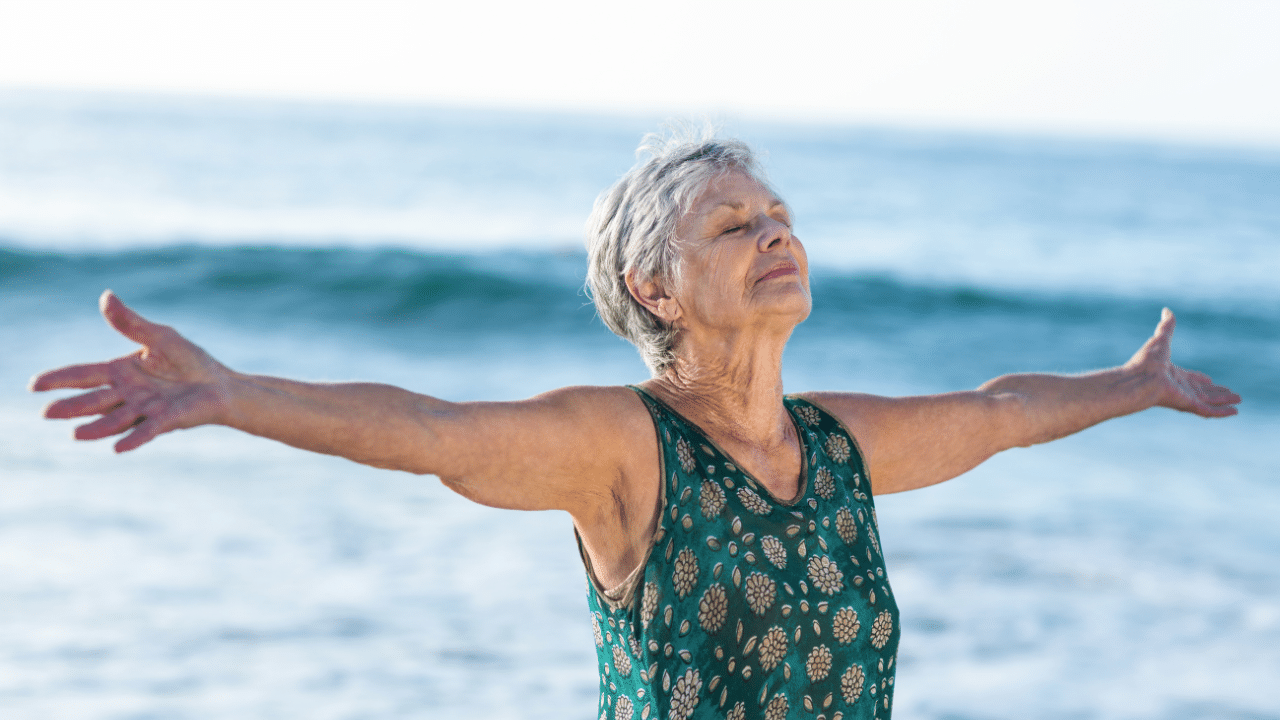
Although chronic pain can have a negative impact on older adults physical and mental health, that does not mean that all older adults with chronic pain experience depression; in fact, older adults are among some of the most resilient people I know. Not surprisingly, studies suggest that depression in older adults with pain is less likely when someone is considered to be highly resilient (Bauer et al, 2016) or those who see the situation as a challenge to overcome or an opportunity for growth. In other words these people “bounce back” emotionally from the physical set back, and this may be partially due to the way that they think about how the pain does (or does not) get in the way of them continuing to live their life.
Mental health care can be helpful in managing pain in older adults
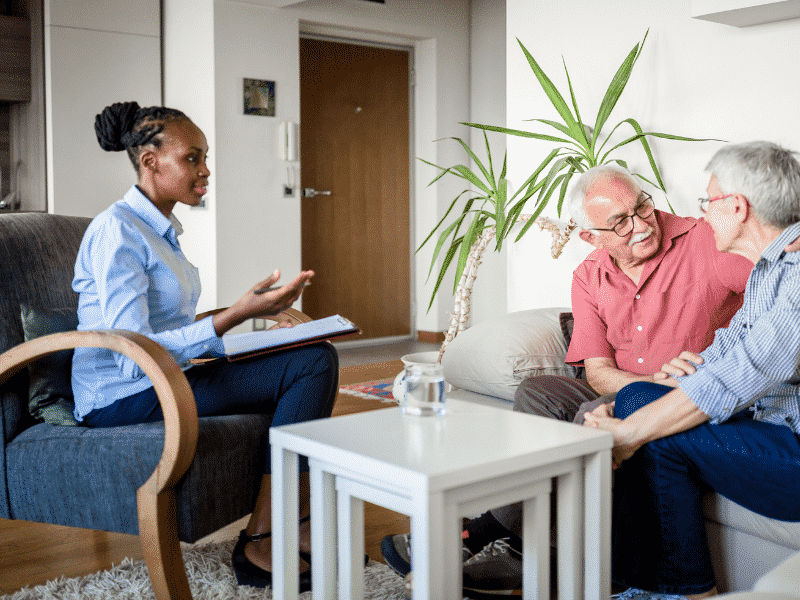
The good news is that there are lots of ways that older adults can learn to boost their resilience and cope with their pain so that it does not lead to isolation and depression. A referral to a geropsychologist (a psychologist who specializes in older adults) or a pain psychologist (a psychologist who specializes in helping people to develop coping strategies for chronic pain) can both be especially helpful. Find a therapist here.
Click here to learn more about what you can do as a loved one or caregiver to help foster independence and maintain social connectedness for the older adult in your life.
Resources:
- Therapists: Download your free guide on the Depression-Pain Cycle
- Become a sought after specialist with our Pain Psychology Certificate Course (14.5 CE Credits), where’s you’ll learn ACT and CBT for Chronic Pain, as well as strategies to address bias in pain care.
- Find a board certified heath psychologist
Related Articles + Podcasts:
-
Acceptance of Pain Relieves Suffering: A Pain Expert Explains
-
Pain Management in Older Adults: 5 Must Know Caregiving Tips
CEU Courses:
- Pain Psychology Certificate Course (14.5 CE Credits): learn ACT and CBT for Chronic Pain, as well as strategies to address bias in pain care.
- ACT for Chronic Pain (5.5 CE Credits)
- CBT for Chronic Pain (6 CE Credits)
- Impact of Bias on Pain Care (3 CE Credits)

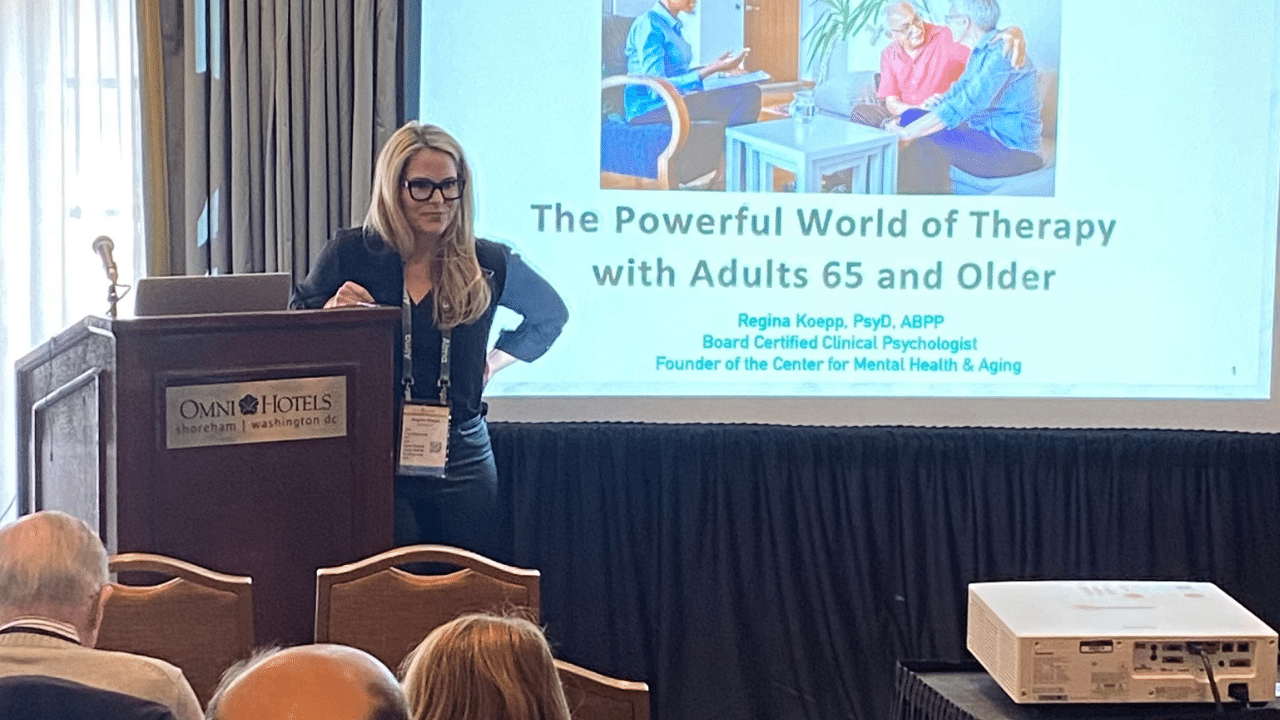
Dr. Regina Koepp is a board certified clinical psychologist, clinical geropsychologist, and founder and CEO of the Center for Mental Health & Aging: the “go to” place for mental health and aging. Dr. Koepp is a sought after speaker on the topics of mental health and aging, caregiving, ageism, resilience, intimacy in the context of life altering Illness, and dementia and sexual expression. Dr. Koepp is on a mission to ensure mental health and belonging for older adults, because every person at every age is worthy of healing, transformation, and love. Learn more about Dr. Regina Koepp here.
Regina Koepp, PsyD, ABPP
























Want More? Read Our Most Recent Posts


Older adults deserve high quality mental health care.
Therapists deserve the training to provide that care.