

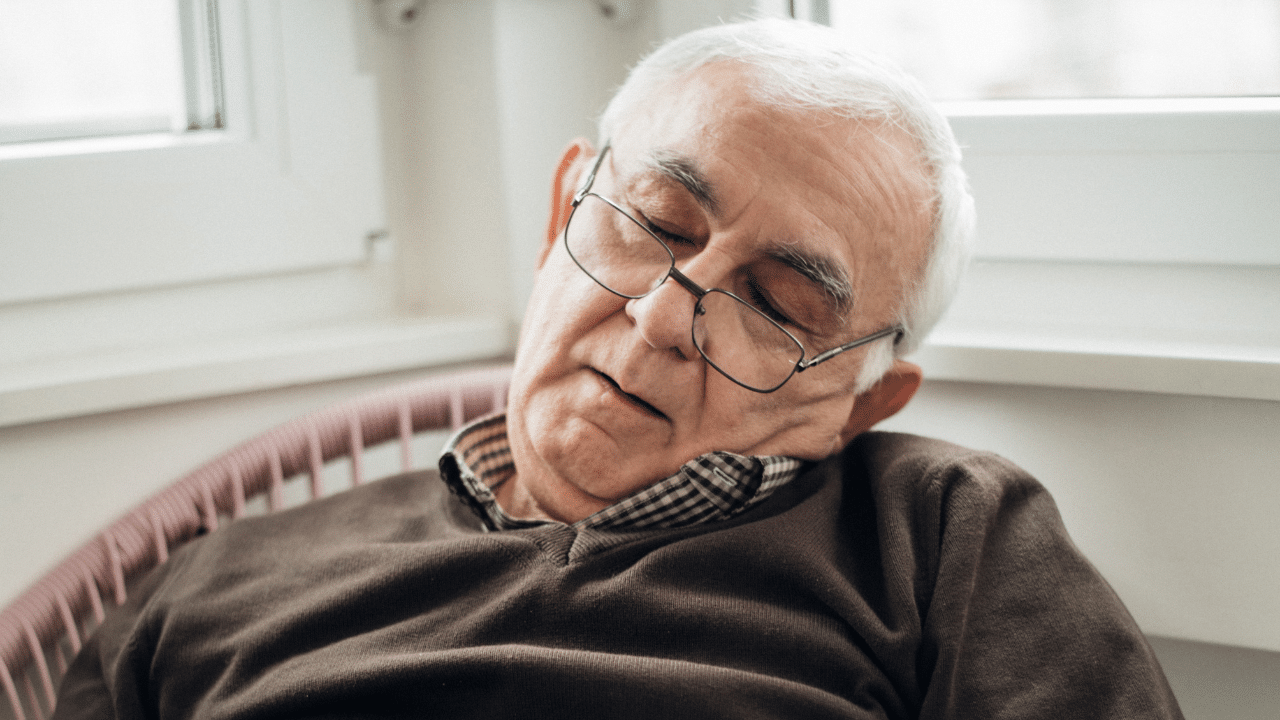
You may be surprised to hear that the best sleep aid for older adults with insomnia is not a medication. It’s a type of psychotherapy, called CBT-I for Insomnia, or Cognitive Behavioral Therapy for Insomnia (CBT-I).
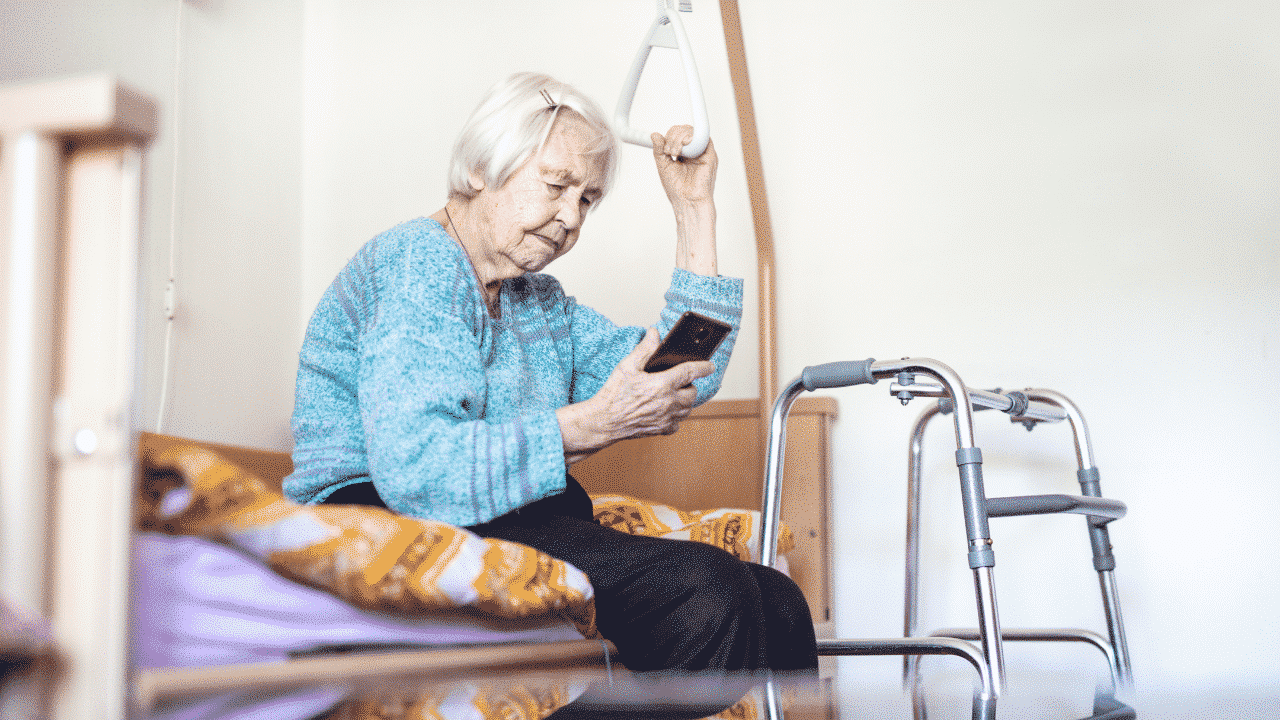
Insomnia is one of the most common sleep disorders experienced by older adults. Insomnia essentially means that a person has trouble falling or staying asleep, or experiences non-restorative sleep. This, of course, can lead to issues during the day like cognitive problems and mood and emotional issues.
Did you know that as many as 50% of older adults complain about difficulty falling asleep or staying asleep? And in fact, older adults (people 65 and older) are more likely to experience insomnia than younger or middle aged adults.
But here’s the thing… Sleep problems in elderly adults are treatable. In as little as one to ten (1-10 sessions) of CBT-I, older adults sleep better!
Today’s guest, Dr. Daniel Wachtel is a Clinical Psychologist and Geropsychologist. He works in private practice and is currently a clinical psychologist for the Home Based Primary Care Program at the Atlanta VA Health Care System, where he provides psychotherapy to chronically and terminally ill veterans and support to their families and caregivers. Dr. Wachtel has advanced training in sleep disorders and provides treatment for insomnia and related difficulties with sleep. Learn more on his website
In this episode of the Psychology of Aging Podcast, Dr. Wachtel tells us about the number one treatment for insomnia in elderly adults – Cognitive Behavioral Therapy for Insomnia (CBT-I)
Here’s a look inside my interview with Dr. Daniel Wachtel:
- [05:24] Dr. Wachtel reveals the surprising statistics that explain exactly why sleep such an important topic when it comes to older adults
- [07:59] Insomnia is one of those terms that people commonly use. Get the real definition of insomnia here.
- [08:45] Dr. Wachtel reveals why insomnia is more prevalent in older adults than adults of any other age group
- [15:43] Sleep is essential to health and well-being. Discover what happens when older adults don’t get enough sleep.
- [17:54] Learn some of the biggest obstacles to helping older adults sleep well
- [24:21] The best sleep aid for older adults with insomnia is not a medication, it’s Cognitive Behavioral Therapy for Insomnia, also known as CBT-I. Dr. Wachtel breaks it down.
- [33:46] Want to improve your sleep today? Check out these sleep hygiene tips (a fancy term for healthy sleep behaviors)
- [45:02] Not getting enough sleep can cause memory and concentration problems, leading older adults to worry that they may have dementia. Learn more here.
- [47:13] Discover where can older adults and their families learn more about sleep issues and how to find treatment.
By the end of this episode, you’ll really get why sleep is so important in older adults, have tools for helping older adults sleep better, and have a keen understanding of the best treatment for insomnia in older adults.

Dr. Regina Koepp is a board certified clinical psychologist, clinical geropsychologist, and founder and CEO of the Center for Mental Health & Aging: the “go to” place for mental health and aging. Dr. Koepp is a sought after speaker on the topics of mental health and aging, caregiving, ageism, resilience, intimacy in the context of life altering Illness, and dementia and sexual expression. Dr. Koepp is on a mission to ensure mental health and belonging for older adults, because every person at every age is worthy of healing, transformation, and love. Learn more about Dr. Regina Koepp here.
Regina Koepp, PsyD, ABPP


































































Want More? Listen to Our Most Recent Episodes


Older adults deserve high quality mental health care.
Therapists deserve the training to provide that care.
