
Have you had an end of life conversation with a loved one? What feelings came up for when you read this? Fear? Sadness? Longing? Remorse?
Naturally, when we experience these feelings, we often want to run from them, rather than toward them.
But, did you know that when we actually pursue end of life conversations with our loved ones, it actually does more good than harm.
Research shows that end-of-life conversations lead to improved mental health and better-quality of life for both patients and caregivers. Here’s how:
- The person dying reports relief and less distress after talking with their loved ones about end of life wishes
- When there is a meaningful conversation about end-of-life choices, survivors report feeling less guilt and less depression and having an easier process of grieving.
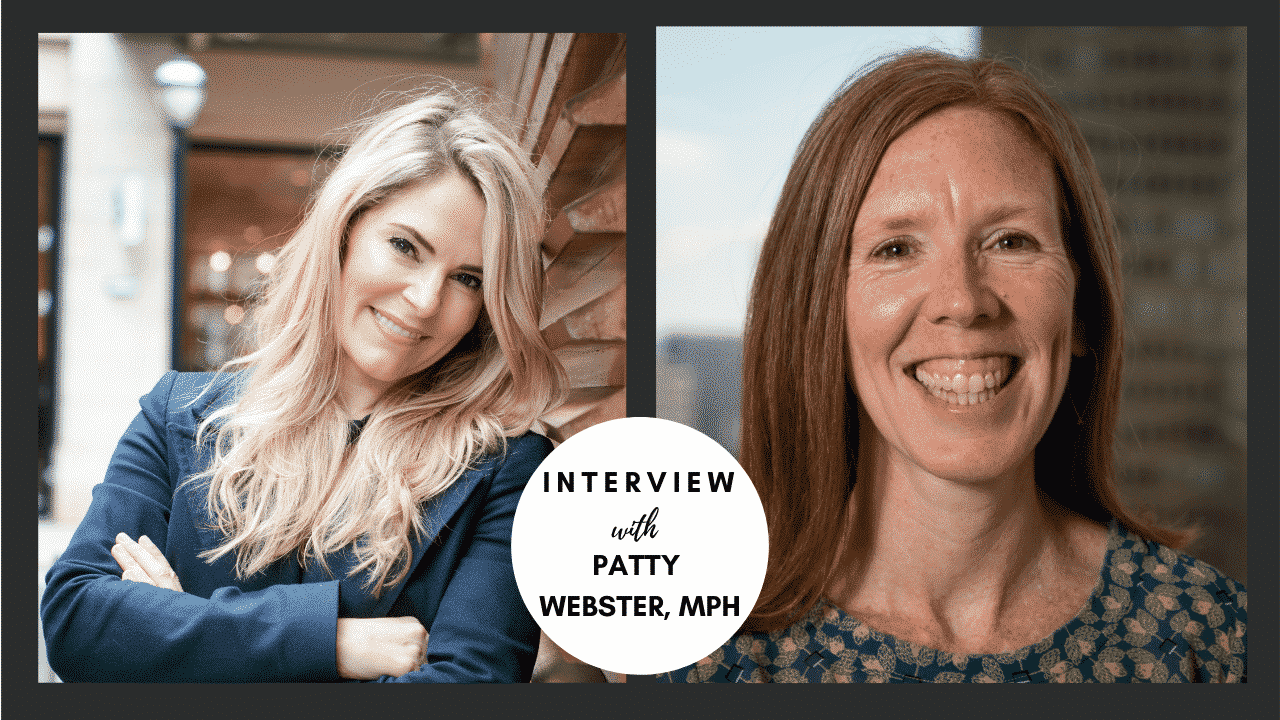
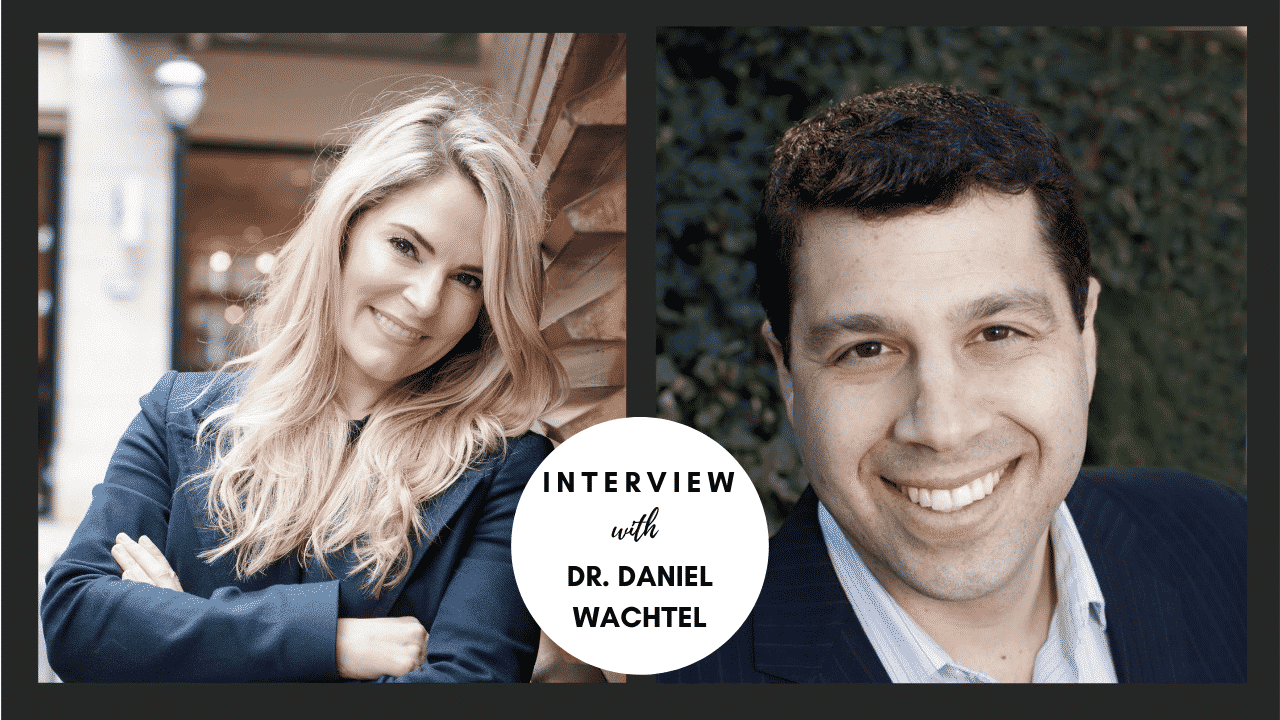
Now that you know end of life conversations can be helpful, in this podcast episode, I interview Patty Webster, lead of community engagement for The Conversation Project, a public engagement initiative to ensure everyone’s wishes for care through the end-of-life are both expressed and respected
Here’s a peak inside my interview with Conversation Project’s Patty Webster:
- [06:55] Patty shares the touching story of how the Conversation Project got started.
- [09:55] Discover the many benefits of having conversations about end of life wishes.
- [20:56] The Conversation Project is helping healthcare institutions to be “conversation ready”. Learn more here.
- [23:51] The Conversation Project has created many free tools to help families start end of life conversations. See which tool is right for you.
- [31:35] It’s okay to change your end of life wishes. The Conversation Project shows us how.
- [41:03] “A place of love” is a great place to start when embarking on end of life conversations. Learn more tips for starting this conversation.
- [47:40] Are you a professional? You have an important role to play. Learn more here.
About Patty Webster
Patty Webster leads community engagement for The Conversation Project, a public engagement initiative to ensure everyone’s wishes for care through the end-of-life are both expressed and respected. She coaches community partners, teaches at speaking engagements and workshops across the country, and supports the team’s measurement, learning, evaluation, and dissemination efforts.
Since 2007, she has served as Faculty and Improvement Advisor at the Institute for Healthcare Improvement (IHI), supporting community-based and health system improvement efforts in the US and Africa with particular focus on maternal, child and newborn health and HIV/AIDS. Her roles have included facilitating cross-organizational and multi-country learning networks/communities of practice, designing and leading quality improvement collaboratives, and contributing to IHI’s initial strategy on person- and family-centered care. Ms. Webster’s 20 years of experience in health care includes work with the Institute for Patient-and Family-Centered Care and the Advisory Board Company, helping health care organizations worldwide to improve performance. She currently serves on the Advisory Board of Long Beach, California-based Patient and Family Centered Care Partners (PFCCpartners). She and her family have lived in El Salvador, Peru, South Africa, Denmark, the US and the UAE.
The Conversation Project Resources:
- Check out The Conversation Project’s Starter Kits
- New! WORKBOOK: What Matters to Me: The “What Matters to Me” Workbook was jointly created by Ariadne Labs and The Conversation Project to help people with a serious illness think through and talk about what matters most to them – to make sure they get the care they want. After completing the Workbook and talking it over with someone close to you, the next step is to talk with your health care team (doctor, nurse, social worker, etc.) so they understand what’s most important to you.
- Caring for someone with dementia? Check out this Dementia Starter Kit.
- See the Conversation Project’s How To Talk To Your Doctor guide for useful advice.
Additional resources mentioned in this episode:
- Prepare Your Advance Directive here.
- Five Wishes: Advance Care Planning ($5 fee)
- Advance Directives in Every State
- Chinese American Coalition for Compassionate Care
Articles mentioned:
- Story of the young ICU nurse: “How COVID-19 Forced Me to Reflect on and Prepare for Mortality”,
- Story of a Hospital Chaplain’s Personal Grief: “Grieving Beneath the Stars: Mourners as Spiritual Teachers”, By Chloe Zelkha, 09/21/2020c

Dr. Regina Koepp is a board certified clinical psychologist, clinical geropsychologist, and founder and CEO of the Center for Mental Health & Aging: the “go to” place for mental health and aging. Dr. Koepp is a sought after speaker on the topics of mental health and aging, caregiving, ageism, resilience, intimacy in the context of life altering Illness, and dementia and sexual expression. Dr. Koepp is on a mission to ensure mental health and belonging for older adults, because every person at every age is worthy of healing, transformation, and love. Learn more about Dr. Regina Koepp here.
Regina Koepp, PsyD, ABPP
















































Want More? Listen to Our Most Recent Episodes


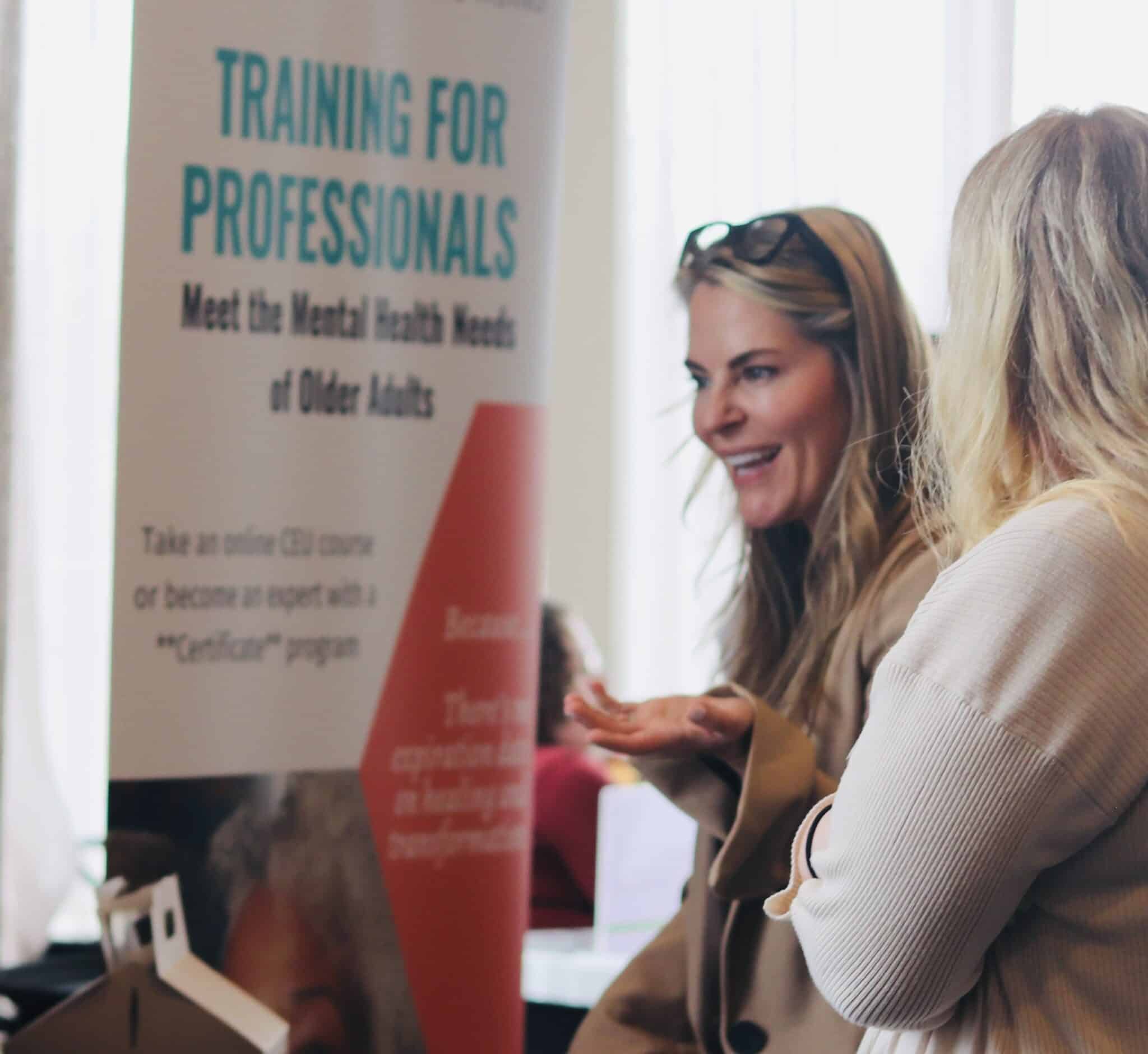
Older adults deserve high quality mental health care.
Therapists deserve the training to provide that care.
