

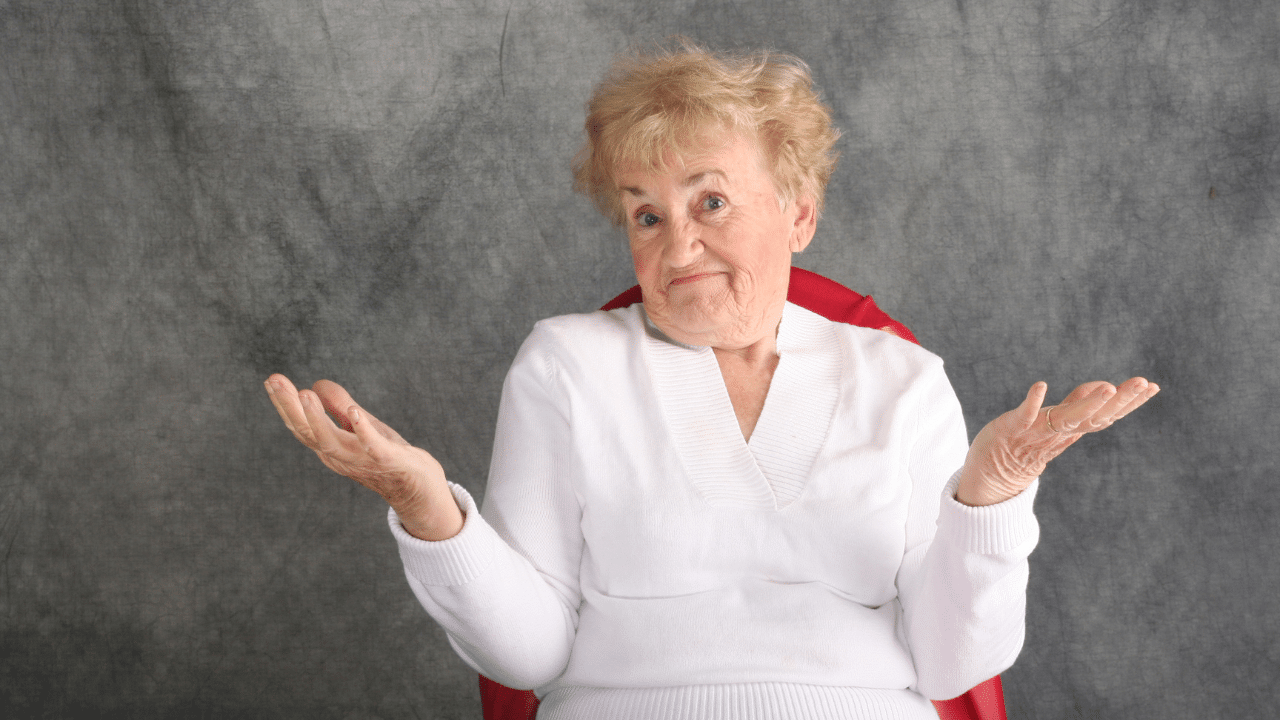
A few days ago, I was interviewed for NPR’s Here & Now, and the host asked me about my “aging journey.” I felt a little flustered—not because it was a bad question, but because I’m 50. And when people ask me about aging, my mind goes straight to older adulthood: 65, 75, 85, 95 and beyond. So my answer didn’t land the way I wanted it to. I left the interview thinking, I wish I’d said that differently.
What I wish I’d said in the moment is this: when I talk about aging, I’m usually talking about older adulthood—the stretch of life that can span decades, roughly from 65 to 122. It’s not a single moment or an identity you suddenly “become.” It’s a long, dynamic developmental chapter, with real change, real challenge, and real growth over time.
And honestly, at 50, I don’t feel like I’ve lived enough of older adulthood to speak from deep personal experience about what it’s like. What I do know—because for the past 25 years I’ve been a geropsychologist to more than 1,000 older adults and their families—is this: when we’re in midlife and we imagine our older selves, we have to watch for the way fear can sneak in and write the story for us—because that fear can sell our future selves short, and it can miss the resilience, adaptability, and grace that so often grow with age.
What I see middle-aged people get wrong
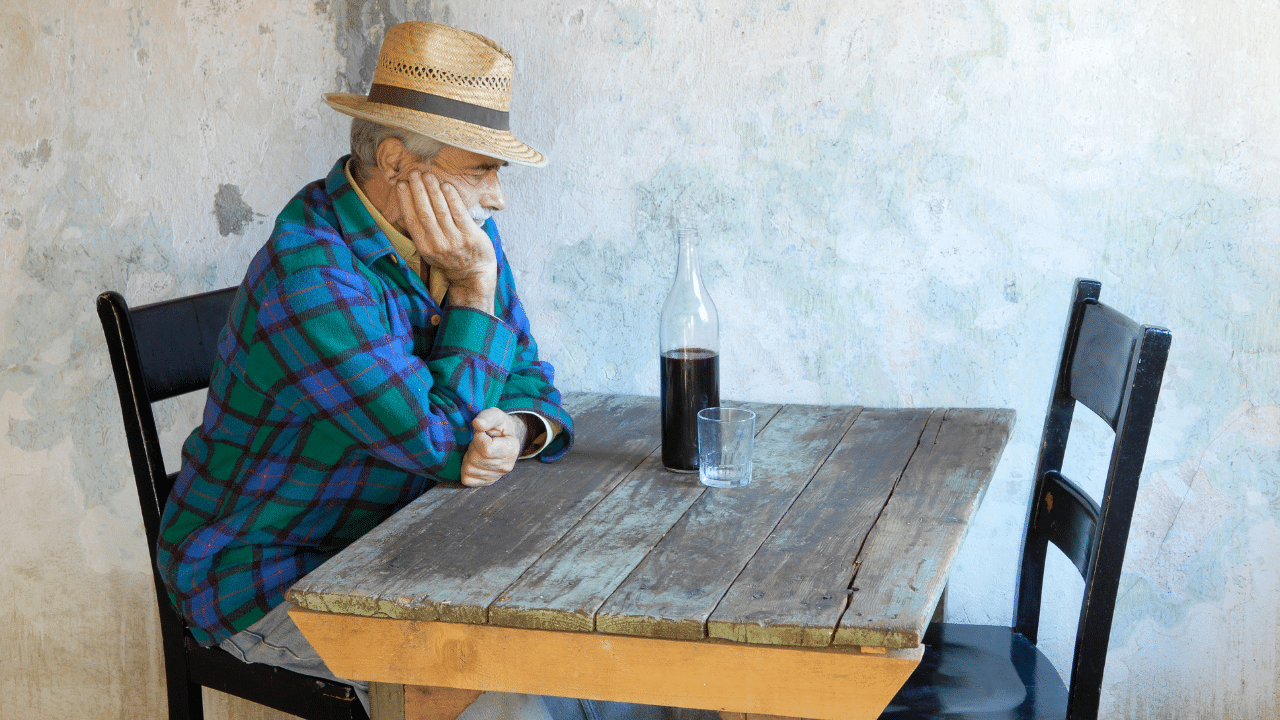
In midlife, we often project our fear and dread about aging onto older adulthood. We imagine later life through the lens of what scares us now—physical vulnerability, chronic illness, loss, dependence, mortality.
But what we often miss is this: many older adults become remarkably skilled at adapting. They grow in resilience, self-compassion, and wisdom about what matters. That doesn’t erase real challenges, but it does change how we navigate those challenges.
Here’s an example: AARP did a large aging survey of more than 2000 people and found that fear of death generally decreases with age. In other words, what feels terrifying in midlife may not feel the same once you actually arrive in later life.
Key Takeaways
-
Aging happens across the lifespan; older adulthood is its own developmental period.
-
Midlife fears can distort how we imagine later life.
-
Older adults frequently develop stronger adaptation skills over time.
-
Avoid overlooking older adults’ resilience by assuming your dread is their reality.
My invitation for you this week
If you’re in midlife, notice when you’re imagining older adulthood through your current fears. And if you’re a clinician, caregiver, or family member, practice holding this wider frame: Yes, aging can bring physical vulnerability. And it can also bring increased adaptability, clarity, and grace.
Timestamps / Chapters
00:00 — The NPR question that threw me off
01:00 — Two meanings of “aging” (lifespan vs. older adulthood)
02:10 — The midlife projection trap
02:30 – A research example: fear of death tends to decrease with age
03:10 – What we miss: adaptation, resilience, self-compassion
04:10 – Why Regina cringes at the midlife “aging journey” question
04:45 – This week’s tip: don’t project your stage onto theirs
05:05 – Closing and what’s coming next
Resources
-
NPR/Here & Now segment (WBUR): “Changing your perception on aging can lead to greater well-being”
-
AARP: Second Half of Life Study (includes the note that fear of death generally decreases with age)
- Reference: Levy, Vicki. AARP Survey on Health and Aging. Washington, DC: AARP Research, April 2022. https://doi.org/10.26419/res.00536.001
Subscribe and Leave a Review
If you enjoyed this episode, please subscribe, leave a review, and share it with a colleague or friend. Together, we’re building a movement for mental health and aging. Because there is no expiration date on healing, transformation, and growth.

Dr. Regina Koepp is a board certified clinical psychologist, clinical geropsychologist, and founder and CEO of the Center for Mental Health & Aging: the “go to” place for mental health and aging. Dr. Koepp is a sought after speaker on the topics of mental health and aging, caregiving, ageism, resilience, intimacy in the context of life altering Illness, and dementia and sexual expression. Dr. Koepp is on a mission to ensure mental health and belonging for older adults, because every person at every age is worthy of healing, transformation, and love. Learn more about Dr. Regina Koepp here.
Regina Koepp, PsyD, ABPP




























Want More? Listen to Our Most Recent Episodes


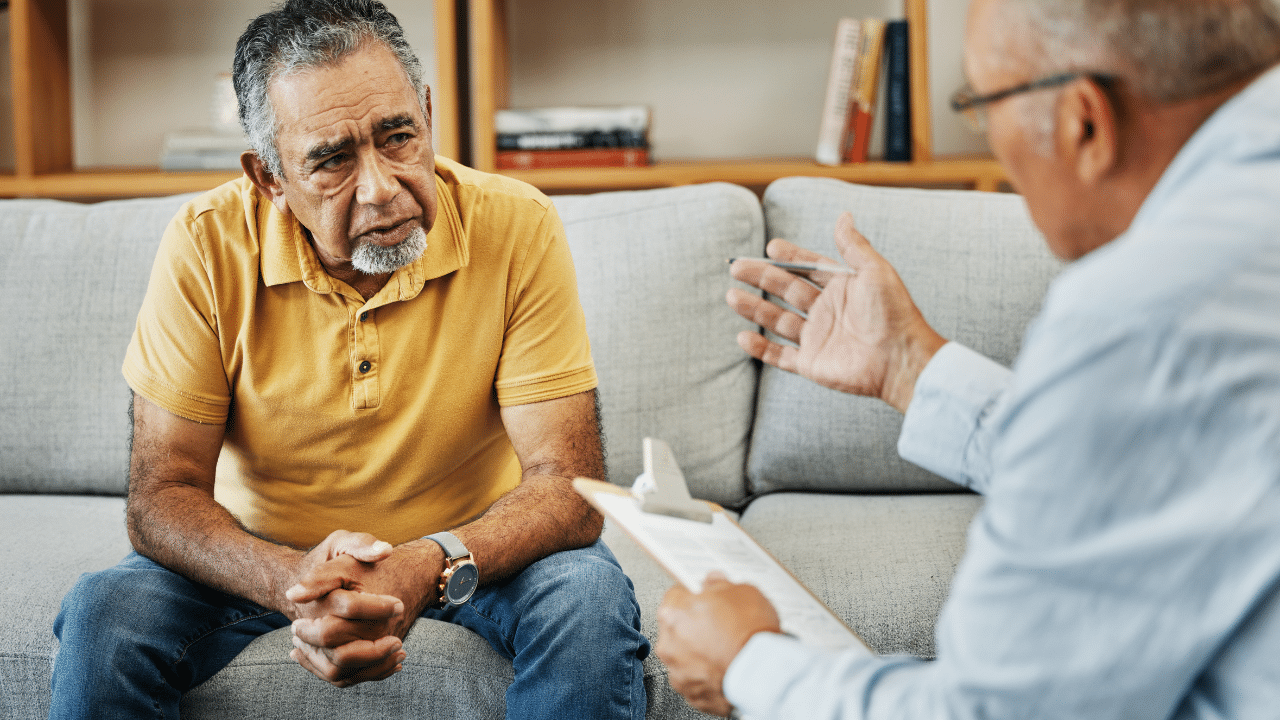
Older adults deserve high quality mental health care.
Therapists deserve the training to provide that care.
