
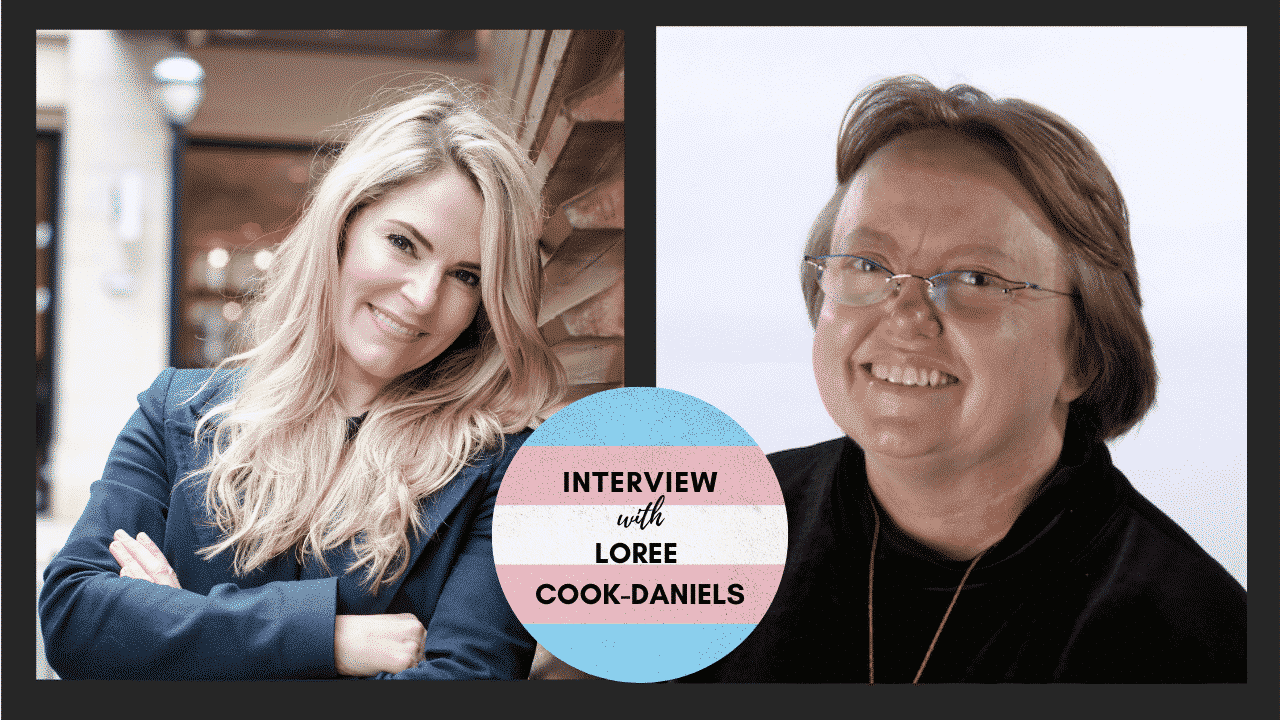
Transgender Awareness Week (November 13-19) is a week when transgender people and their allies (like me!), take action to bring attention to the transgender community by educating the public.
This education includes describing who transgender people are, sharing stories and experiences and advancing advocacy around the issues of prejudice, discrimination and violence that affects the transgender community (GLAAD, 2020)
This week leads up to the Transgender Day of Remembrance on November 20, the day in which we honor the memory of transgender people whose lives were lost in acts of anti-transgender violence. I hope that you join me on November 20 in taking a moment of silence and thinking about the lives lost over this past year.
Transgender folks have heartbreaking rates of suicidal ideation and attempts. According to a 2019 study, suicidal ideation averaged 46.55% and attempts averaged 27.19%. Suicide rates were highest among non-White folks and those who had lower levels of education, reminding us of the phenomenon that people who hold multiple minority identities experience higher rates of risk and harm (known as double and triple jeopardy, etc).
There are many factors that increase the risk for suicide and mental health concerns among transgender folks, including: trauma, discrimination, minority stress, rejection from family, and exclusion from society.
This is why I’m devoting today’s episode to deepening our understanding of the unique mental health needs of transgender seniors. Each of us have an important role of creating safe and secure spaces for healing for transgender clients, patients, family members, and friends.
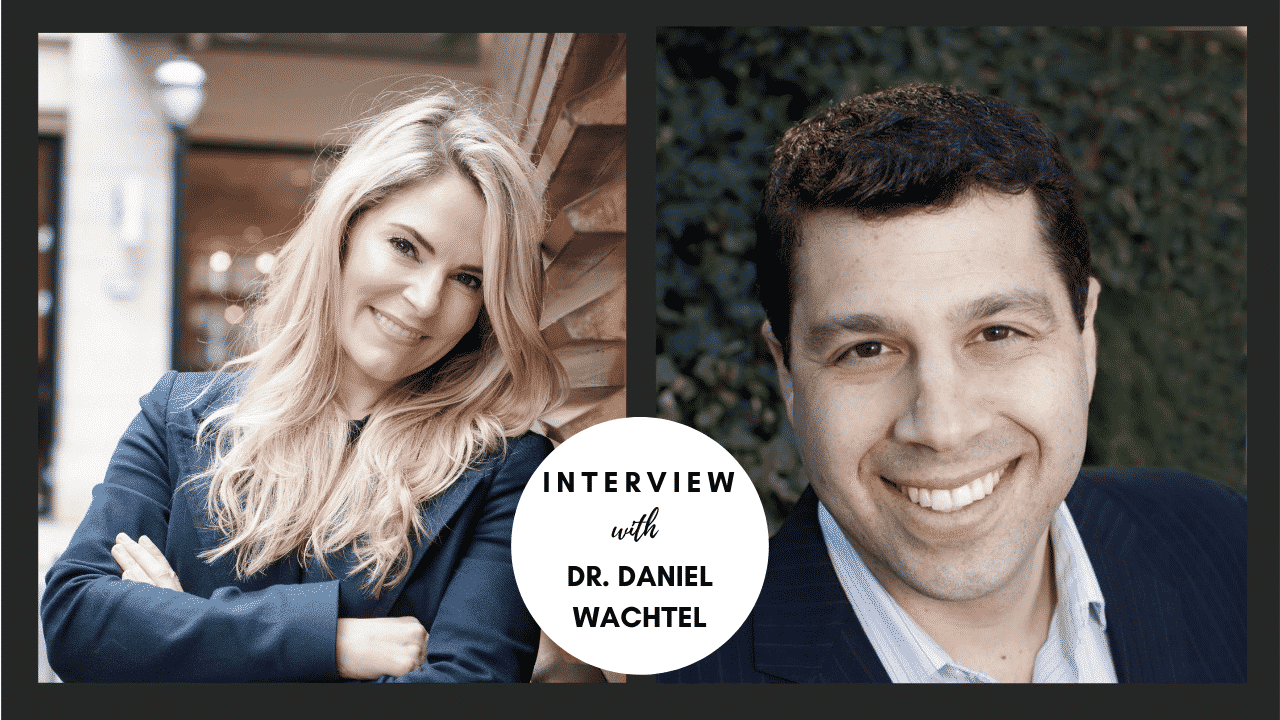
To shed light on these important topics, I’m delighted to interview one of the nation’s leaders in Transgender aging, Loree Cook-Daniels, Founder of the Transgender Aging Network.
Here’s a peek inside the episode:
- [05:27] Loree shares her personal story that inspired her to create the Transgender Aging Network.
- [11:22] Discover the difference between transitioning early in life versus later in life, including the relationship and social factors that you need to be aware of.
- [22:32] Mental health concerns and suicidal thoughts disproportionately affect transgender folks, learn more here.
- [25:15] When we’re sick, we need to be cared for. Unfortunately, Transgender folks experience high rates of discrimination in the health care system, including being denied care or having to educate their medical providers about care.
- [28:33] Family and partner relationships also go through an adjustment period when the transgender person transitions. Learn more about common relationship experiences.
- [35:48] Mental health providers for years have been in the role as gatekeeper related to assessing a person’s ability to psychologically tolerate affirming hormone therapy or surgeries, but this can have the effect of setting up an imbalance in the mental health system.
- [42:26] There is a lot providers CAN DO to create affirming spaces when working with Transgender older adults, learn what you can do here.
- [55:00] As a national expert on Transgender Aging, Loree Cook-Daniels shares her top recommendations and resources for family, friends, mental health and medical providers, and senior care professionals.
About Loree Cook-Daniels
Loree Cook-Daniels has been working on both LGBT and aging issues since 1974. In the ‘90s she was a primary staff person for the National Center on Elder Abuse. She founded the Transgender Aging Network in 1998, and in 2000 became the Policy and Program Director for FORGE, a 26-year-old national transgender and SOFFA (Significant Others, Friends, Family, and Allies) organization that specializes in transgender aging and victims of violence. Formerly a contributing editor for the Victimization of the Elderly and Disabled, she has also authored numerous book chapters, articles and tip sheets on LGBT and trans aging issues. FORGE’s Transgender Aging Network was a founding partner in the National Resource Center on LGBT Aging and remains its primary transgender expert. She holds a B.A. in Women’s Studies and History, a M.S. in Conflict Management, and a Graduate Certificate in Trauma Counseling.
Resources on Transgender Aging
People Connections
- Transgender Aging Network – listserv and Facebook page – for anyone interested in transgender aging issues. To subscribe, email LoreeCD@forge-forward.org
- ElderTG – a peer support listserv for transgender people age 50+ and partners and family members. To subscribe, email robynmw@twc.com or danmouer@fastmail.fm
For Transgender Elders
- Creating End-of-Life Documents for Transgender Individuals: An Advocate’s Guide
- Medicare Changes for Transgender Older Adults
- Transgender Elder/SOFFA Roundtable
For Service Providers
- I Have a New Transgender Client: Now What?
- Creating Equal Access to Quality Health Care for Transgender Patients: Transgender-Affirming Hospital Policies
- Inclusive Services for LGBT Older Adults: A Practical Guide to Creating Welcoming Agencies
- Quick Tips for Caregivers of Transgender Clients
- Transgender Elders: What Providers Need to Know ‐‐ and Don’t Need to Know
- Clinical Gerontologist Journal (2016) devoted to “Providing Competent and Affirming Services for Transgender and Gender Nonconforming Older Adults”
Leading general resources
Other Resources
- Trans Aging (book chapter)
- Improving the Lives of Older Transgender Adults: Recommendations for Policy and Practice
- Abuse and Violence Directed at Transgender Elders
- Sexual Violence, Elder Abuse, and Sexuality of Transgender Adults Age 50+: Results of Three Surveys
World Professional Association for Transgender Health (WPATH)https://www.wpath.org/

Dr. Regina Koepp is a board certified clinical psychologist, clinical geropsychologist, and founder and CEO of the Center for Mental Health & Aging: the “go to” place for mental health and aging. Dr. Koepp is a sought after speaker on the topics of mental health and aging, caregiving, ageism, resilience, intimacy in the context of life altering Illness, and dementia and sexual expression. Dr. Koepp is on a mission to ensure mental health and belonging for older adults, because every person at every age is worthy of healing, transformation, and love. Learn more about Dr. Regina Koepp here.
Regina Koepp, PsyD, ABPP











































Want More? Listen to Our Most Recent Episodes


Older adults deserve high quality mental health care.
Therapists deserve the training to provide that care.
