
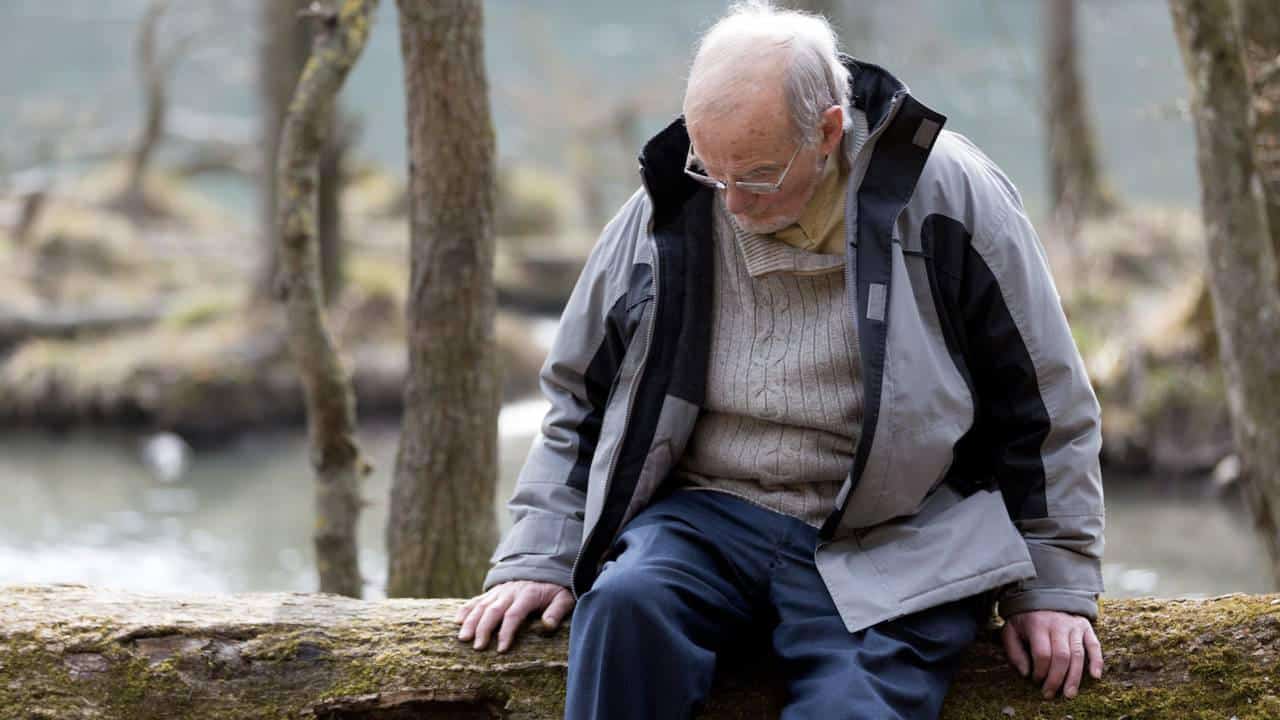
In honor of Suicide Prevention Week, I’m devoting today’s podcast episode to older adults and suicide. More specifically, what puts older adults at risk for suicide and how you can help.
You may be surprised to hear that older White men over 85 are at the greatest risk and have the highest rates of suicide – more than any other age group.
But, here’s the thing, older adults are too often left out of conversations when it comes to simple things like assessing for depression, assessing for suicide, and then connecting older adults to the appropriate mental health care. As a result, most older adults with mental health concerns are treated in primary care settings, rather than mental health settings.
Here’s where you come in. In today’s episode, I share facts about older adults and suicide, including what increases risk for suicide in older adults, and several strategies for helping older adults at risk for suicide
A quick but important disclaimer as we get started:
I will be talking about suicide and suicide prevention. Suicide is a very sensitive topic and so if this topic is triggering or is very intense for you, please consider whether or not it’s healthy for you to listen to this particular podcast on this particular day. If you do choose to listen, please consider listening with a friend or calling a friend afterward. If you need to talk about it and process it.
Here’s a peek inside the episode:
- [02:03] Older White men over 85 have the highest rates of suicide, more than any other age group. Where this highest risk group is most likely to get mental health care will surprise you.
- [04:59] Learn the mindset shift we need to make on the value we place on older lives and the toll this takes on mental health.
- [05:10] To illustrate the experience of being an older adult who balks against the notion of being disposable based on age, I share an article written by 90 year old, Varda Yoran.
- [14:28] Learn the most prominent risk factors related to older adults and suicide.
- [18:58] I share about an interpersonal process group I led for 7 years for older men at increased risk for suicide.
- [22:36] There are many quick and simple strategies for reducing risk of suicide in older adults. Simply listening to this episode and choosing one strategy will go a long way.
If you or someone you know is in crisis or struggling with thoughts about harming themselves or others, please reach out to the National Suicide Prevention Lifeline.

How to Help an Older Adult Who Is Suicidal
Know the Risk Factors
These risk factors were identified by research as being the most significant for increasing the risk of suicide in older adults.
- Mental health conditions like depression, anxiety, alcohol and other substance use disorders, new diagnosis of a dementia disorder. Learn more about older adults and depression here.
- Being alone for long periods of time and having a sense of isolation. Help older adults stay socially connected during COVID with these tips.
- Physical illness
- Pain
- Loss of ability (decline in a person’s ability to care for self)
Keep an eye out for these warning signs:
- Withdrawing from friends and previously enjoyable activities like hobbies, sports, and physical intimacy
- Feelings of loss of sense of purpose and independence
- Preparing for death by making a will or other final arrangements, including giving away prized possessions
- Preoccupation with death and dying
- Recent life changes, such as the death or chronic illness of a spouse, moving to a new home.
Follow up on your concerns with questions, like:
- Do you feel as though life is no longer an option for you?
- Have you had thoughts about harming yourself?
- Are you planning to harm yourself or take your life?
- Is there a gun in the house? Or a collection of pills?
- Are you often alone?
Help an older adult who is suicidal by:
- Removing pills, weapons, or other means
- Calling the Suicide Prevention Lifeline at +1 800-273-8255
- Calling 9-1-1 for welfare check (if you’re concerned about the person’s safety)
- Calling the older adult’s primary care provider or mental health provider
If you’re concerned that your older loved one may be depressed:
- Talk with them about what you’ve been noticing in a compassionate and concerned way
- Encourage them to see their primary care provider to rule out any medical concerns that may be causing these symptoms. (Accompany them to their appointment)
- Help them get connected with a mental health provider who specializes with older adults. Here’s how!
Help suicidal or depressed older adults to get connected to mental health professionals who specialize in older adults:
- Psychology Today– In this resource portal, you can search for Psychologists and Psychiatrists who specialize in older adults, simply select your age category (Elders 65+)
- Geriatric Mental Health Foundation– The doctors listed on their website are members of the American Association for Geriatric Psychiatry (AAGP).
- Substance Abuse and Mental Health Services Administration’s (SAMHSA’s) National Helpline at 1-800-662-4357 is a free, confidential, 24/7, 365-day-a-year treatment referral and information service (in English and Spanish) for individuals and families facing mental and/or substance use disorders.
- Major Medical Centers and Universities – If your older loved one lives near a major medical center or medical university, go online (or google them) to see if they offer mental health care for older adults. Here are some common terms to help you in your search: geriatric mental health, behavioral health for older adults, a geriatric psychiatry program, etc.
Please don’t ignore signs and symptoms of depression and suicide. Instead lean in, share your concerns, and help your older loved one get connected to providers.
Links mentioned in this episode:
- “Just Because I’m 90 Doesn’t Mean I’m Ready To Die ― Or Disposable”- Varda Yaron’s Huffington Post article
- Older Adults and Depression: What to Know and How to Help (Podcast)
- Expert Tips for Helping Suicidal Older Adults (Podcast)
- Older Adults Refusing to Go to the Doctor? Try These 5 Expert Tips (Podcast)
References:
- National Suicide Prevention Lifeline. Substance Abuse and Mental Health Services Administration (SAMHSA)
- Conwell, Y., Van Orden, K., & Caine, E. D. (2011). Suicide in older adults. The Psychiatric clinics of North America, 34(2), 451–ix. https://doi.org/10.1016/j.psc.2011.02.002

Dr. Regina Koepp is a board certified clinical psychologist, clinical geropsychologist, and founder and CEO of the Center for Mental Health & Aging: the “go to” place for mental health and aging. Dr. Koepp is a sought after speaker on the topics of mental health and aging, caregiving, ageism, resilience, intimacy in the context of life altering Illness, and dementia and sexual expression. Dr. Koepp is on a mission to ensure mental health and belonging for older adults, because every person at every age is worthy of healing, transformation, and love. Learn more about Dr. Regina Koepp here.
Regina Koepp, PsyD, ABPP



































































Want More? Listen to Our Most Recent Episodes


Older adults deserve high quality mental health care.
Therapists deserve the training to provide that care.
