
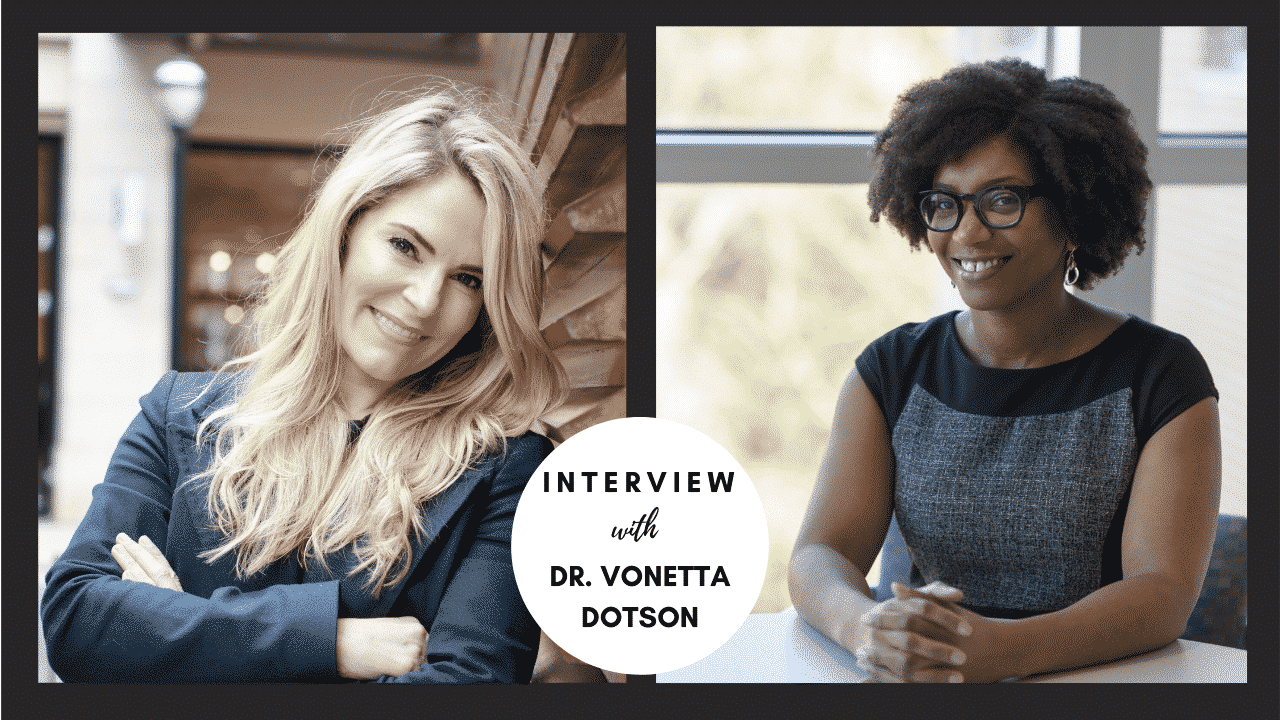
Caregivers often approach me with the question: “my parent had dementia, does that mean I’ll get it too?”
It’s a scary thing to devote years of your life caring for a loved one with dementia and all the while wonder if you will end up developing dementia, too.
Today on the podcast, our favorite Neuropsychologist, Dr. Vonetta Dotson, is back to talk with us about genetic risk for dementia and reminds us that even if you have an increased risk for developing dementia, there’s a lot that you can do to prevent it. Listen all the way through and you’ll learn several easy to use strategies you can start using today to reduce your risk of developing dementia.
To help you navigate the turbulent waters of memory loss and dementia, I created a memory loss guide for you to use. In this guide, you’ll get a checklist of memory loss warning signs, learn more about the benefits of early diagnosis of dementia and so much more. Click here to download the guide.
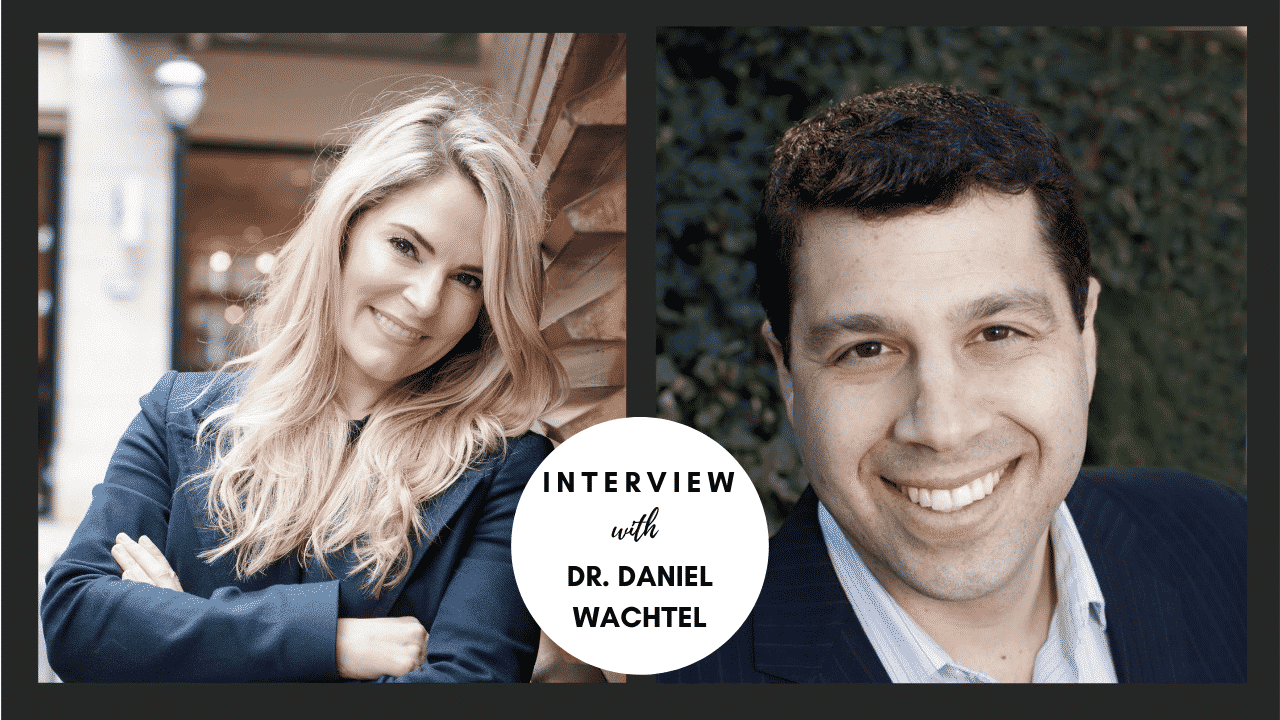
Here’s a sneak peek at what you’ll learn from my interview with Dr. Vonetta Dotson
- [04:55] Dr. Dotson talks about the benefits of neuropsychological assessment even if you don’t currently have a dementia disorder
- [06:06] Ever wonder who is the most genetically at risk for developing dementia? Dr. Dotson answers this question.
- [08:47] Have you had the thought: “maybe I should get genetic testing to reveal my chances of developing dementia?” Dr. Dotson shares her thoughts (based on research) on this matter.
- [13:34] There is a lot you can do to prevent dementia and Alzheimer’s Disease. Dr. Dotson lists several strategies that you can start using today.
- [22:44] Many caregivers wonder if medications like Namenda and Aricept are worth it to slow down the progress of dementia. Dr. Dotson shares her perspective on the timing of using these medications.
- [29:30] If you’re a caregiver, one of the best things that you can do to reduce your risk of developing dementia is to take care of yourself, too.
By the end of this episode, you’ll have a clear understanding of who is genetically at risk for Alzheimer’s Disease, have an answer to the question: “my older parent had dementia, does that mean I’ll get it too?”, and will have a list of strategies you can start using today to reduce your risk of developing dementia.
About Dr. Vonetta Dotson
Dr. Vonetta Dotson is an Associate Professor of Psychology and Gerontology at Georgia State University, Senior Project Scientist for Behavioral Health at NASA (KBR), and Founder and President of CerebroFit Integrated Brain Health. She completed her doctoral training in clinical psychology at the University of Florida with a specialization in neuropsychology and a certificate in gerontology. She completed her postdoctoral training at the National Institute on Aging Intramural Research Program. Her research and clinical activities focus on positive and negative modifiers of brain health, including the intersection of depression with cognitive and brain aging.
Want a healthier brain? Follow Dr. Dotson and her Cerebrofit program on the following social media sites:
- LinkedIn – https://lnkd.in/e_uVCGF
- Twitter – https://lnkd.in/emFr6M6
- Instagram – https://lnkd.in/ewkWqbx
- Facebook – https://lnkd.in/e5RMyQt

Dr. Regina Koepp is a board certified clinical psychologist, clinical geropsychologist, and founder and CEO of the Center for Mental Health & Aging: the “go to” place for mental health and aging. Dr. Koepp is a sought after speaker on the topics of mental health and aging, caregiving, ageism, resilience, intimacy in the context of life altering Illness, and dementia and sexual expression. Dr. Koepp is on a mission to ensure mental health and belonging for older adults, because every person at every age is worthy of healing, transformation, and love. Learn more about Dr. Regina Koepp here.
Regina Koepp, PsyD, ABPP







































Want More? Listen to Our Most Recent Episodes


Older adults deserve high quality mental health care.
Therapists deserve the training to provide that care.
