
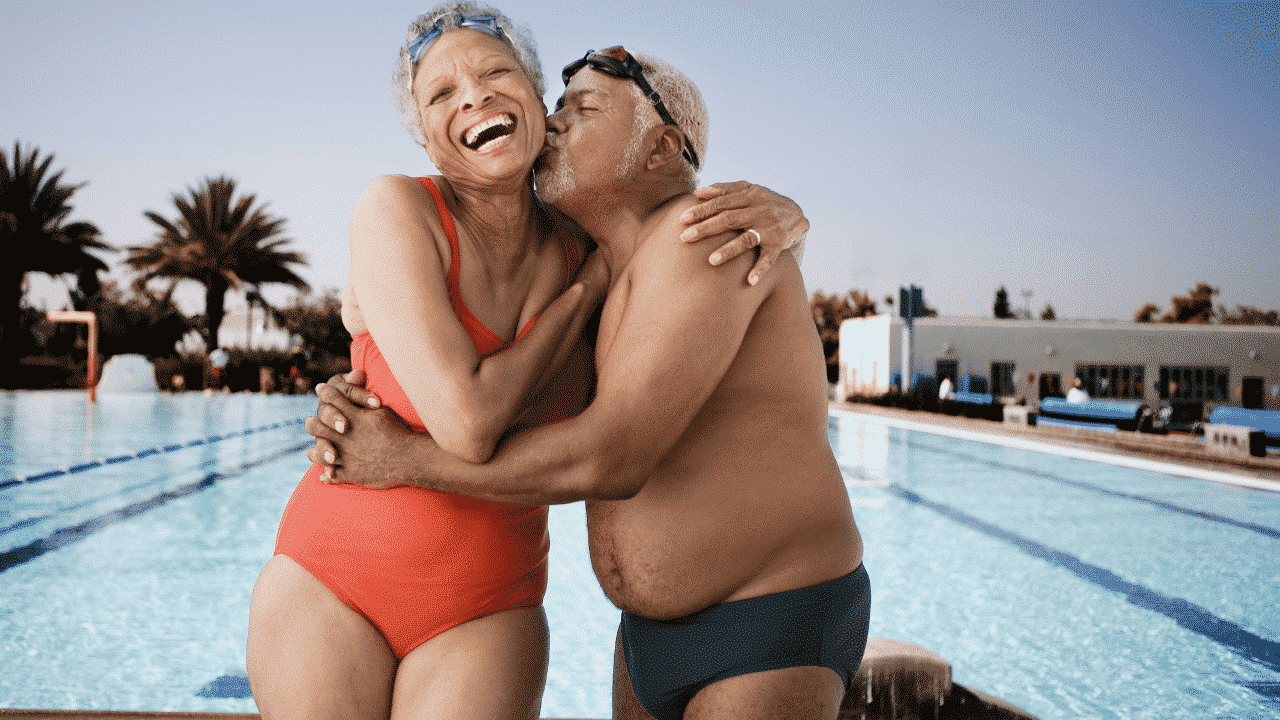
How well do you know your own assumptions, biases, and values when it comes to aging and sexuality? Have you taken much time to think about this?
Let’s take some time right now. After all, if you’re not currently an older adult, I’m sure you aspire to become one and desire a healthy and happy life. If you’re anything like most older adults, sex and sexuality will be a part of your older adulthood.
Reflect on the following questions:
- What comes to mind when I say:
- Older adults and sex
- Older adults with dementia and sex
- Do your thoughts come with myths, taboos, personal beliefs, prejudices, negative attitudes?
- Do your thoughts about sex differ between men and women? Heterosexual versus same sex couples?
- Have you received any training on intimacy/sex with older adults? Intimacy/sex with older adults with dementia?
- If you’re a mental health provider working with older adults, do you inquire about your client’s sexuality, intimate relationship, sexual satisfaction? Why not?
- If you work in a long-term care setting, do you know your agency’s policies about sex/intimacy between residents?
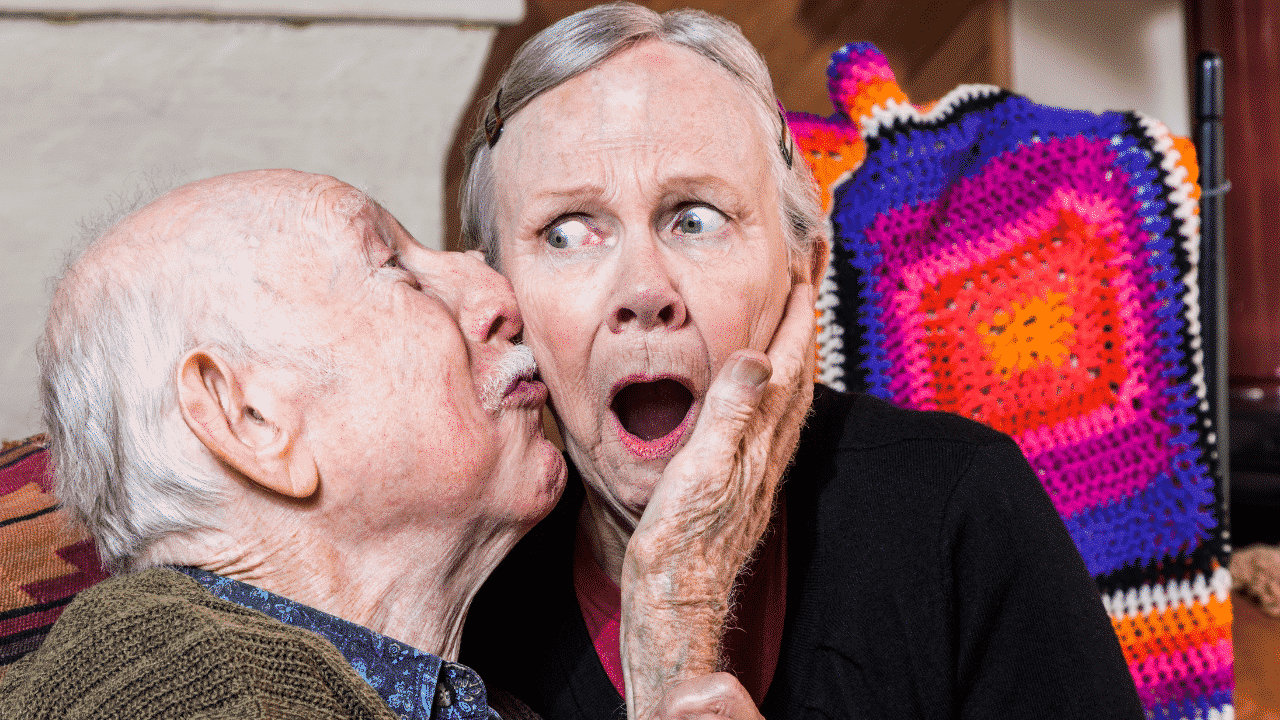
This week on the Psychology of Aging podcast, I provide education on aging and sexuality. I dispel the myth that sexuality is not important as we age, and discuss the benefits of sexuality and intimacy among seniors as well as some of the barriers that impede sexual expression among older adults.
Here’s a peek inside the episode:
- [1:17] How well do you know your own assumptions, biases, and values when it comes to aging and sexuality? What comes to mind when I say “older adults and sex”? Gain clarity about your own thoughts about aging and sexuality by reflecting on a list of questions I pose.
- [3:03] Older adults continue to enjoy sex and sexuality throughout their older adulthood, learn about what percentage of older adults remain sexually active and how frequently they are having sex.
- [4:30] There are many benefits to fostering intimacy and sexuality among seniors. From physiological benefits, to mental health benefits, to spiritual benefits. Sexuality among older adults is healthy and helpful. Broaden your understanding of the benefits of aging and sexuality here.
- [10:47] Just as there are many benefits to sexuality in older adulthood, there are many barriers. Naturally, the body changes as we age creating some barriers with workarounds (e.g., Viagra for erectile dysfunction and lubrication for vaginal dryness), but there are other barriers (like ageism- bias and discrimination based on age) that may be interfering with sexuality among older adults. Learn more about what you can do to change this.
- [13:28] At every stage of life, we require companionship, intimacy, and love. I’m going to challenge you and I’m going to challenge myself to be reminded that at every stage of older life, seniors benefit from sexual expression.

Article mentioned in this podcast:
Reference:

Dr. Regina Koepp is a board certified clinical psychologist, clinical geropsychologist, and founder and CEO of the Center for Mental Health & Aging: the “go to” place for mental health and aging. Dr. Koepp is a sought after speaker on the topics of mental health and aging, caregiving, ageism, resilience, intimacy in the context of life altering Illness, and dementia and sexual expression. Dr. Koepp is on a mission to ensure mental health and belonging for older adults, because every person at every age is worthy of healing, transformation, and love. Learn more about Dr. Regina Koepp here.
Regina Koepp, PsyD, ABPP










Want More? Listen to Our Most Recent Episodes


Older adults deserve high quality mental health care.
Therapists deserve the training to provide that care.
