Resources mentioned in this episode:
- Assisting Cognitively Impaired Individuals with Voting, prepared by the American Bar Association Commission on Law and Aging & the Penn Memory Center
- Resources from the Bazelon Center for Mental Health Law:
A few weeks ago, I received an email from a listener:
“Hello, Dr. Regina,
“I work in an assisted living facility. As the election approaches, family members of residents on memory care units have asked to have residents vote. Residents on this unit are here because they’re unable to make informed decisions and don’t have a grasp on reality. Also, the particular resident shows no interest in wanting to vote. It’s the family that essentially wants to cast a vote for the individual, which seems unethical to me. I’ve tried reaching out to professional groups for some guidance to no avail.
Do you have any thoughts regarding this topic?”
Older adults tend to vote more often and more consistently than other age groups. According to a US News Report, in 2018, 64% of adults age 65 and older voted in the November 2018 election, the best turnout of any age group. With this said, 10% of older adults, however, will experience a cognitive disorder, including a dementia disorder. It makes sense that the listener was asking the questions:
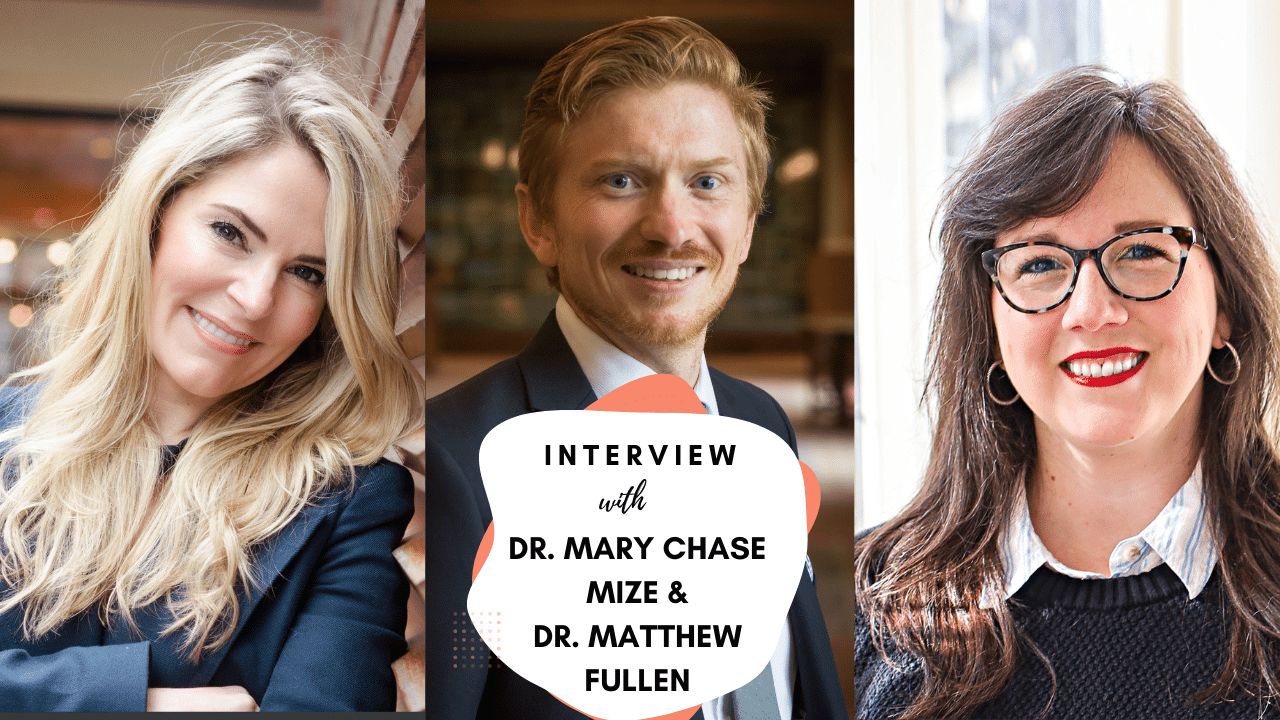
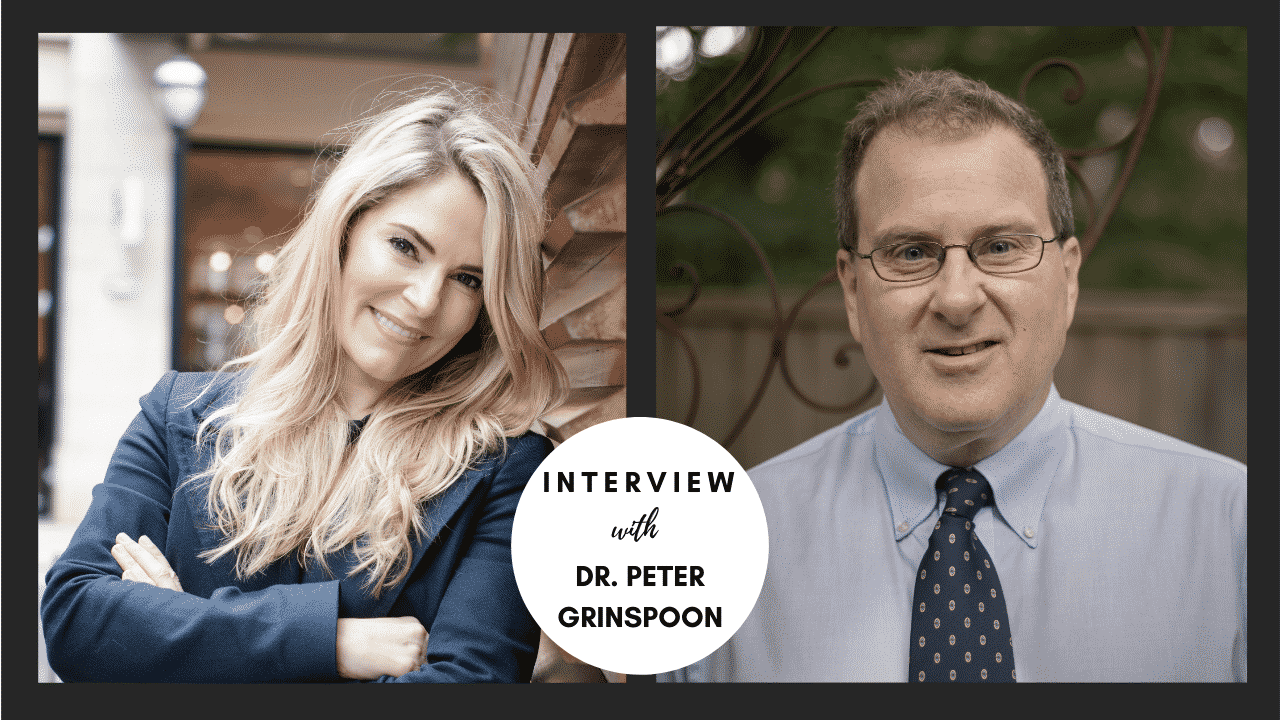
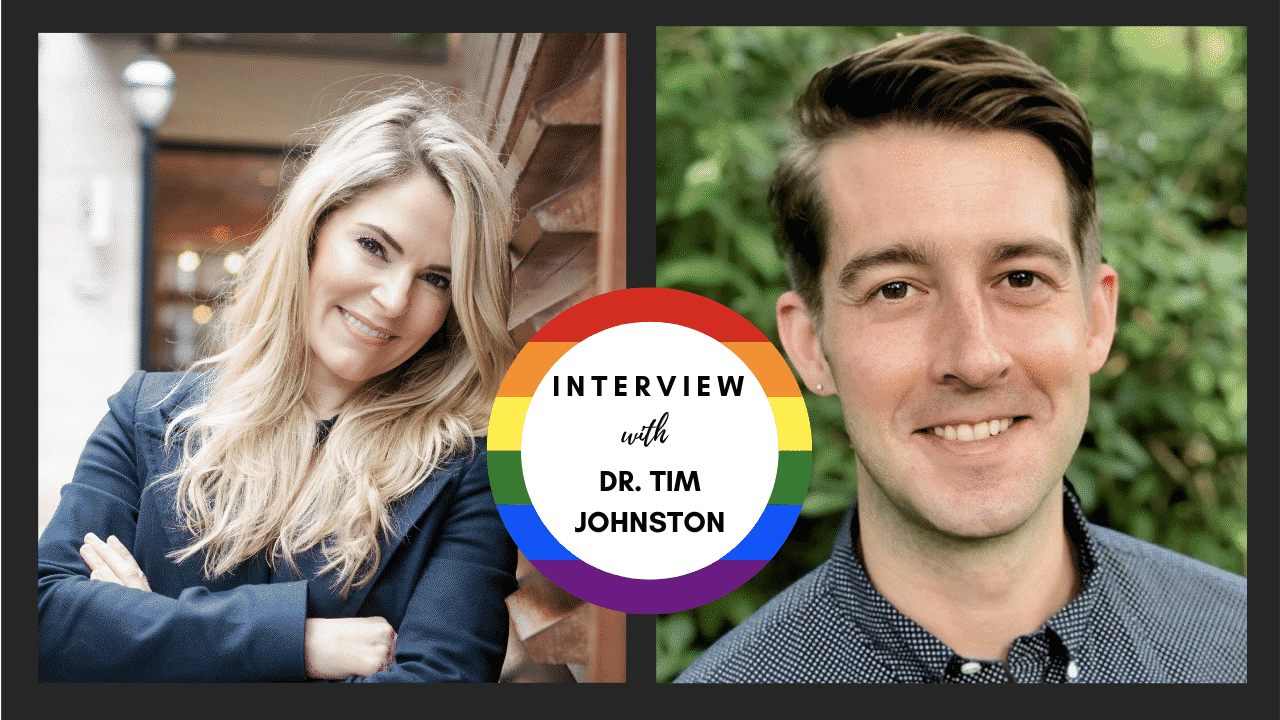
Since this is such an important topic affecting people’s rights, I invited a national expert, Jennifer Mathis, Director of Policy and Legal Advocacy of the Judge David L. Bazelon Center for Mental Health Law, on the podcast to answer all of our FAQs about dementia and voting.
Here’s a sneak peek inside my interview with Jennifer Mathis:
Jennifer Mathis is Director of Policy and Legal Advocacy at the Bazelon Center for Mental Health Law. The Center is a national nonprofit legal advocacy organization that represents individuals with mental disabilities. Jennifer uses litigation, policy advocacy, technical assistance and training to advance equal opportunity for individuals with mental disabilities in all areas of life, including health care, employment, voting, education, housing, community living, and family and parental rights. She has litigated voting rights cases and successfully advocated for changes in state voting laws.
With older adults being more likely to vote than any other age group and dementia affecting older adults more than any other age group, questions about dementia and voting naturally arise! Can people with dementia vote?
Like most things related to voting, there’s concern and controversy. Everything from personal opinions from caregivers, like: “This is SO wrong!!! My mom doesn’t know who I am or who other family members are and you want her to vote for someone she doesn’t know?” Or, psychiatrists in 2005, who attempted to create a Doe Voting Capacity Standard, which required more reasoning and rationale than the average voter would be required to have to demonstrate, which can lead to voter suppression.
With so many questions and concerns it helps to have a set of guidelines and standards.
The American Bar Association’s Commission on Law and Aging & the Penn Memory Center recently put together a guide on helping people with cognitive impairment to vote. They explain that a medical diagnosis, like Alzheimer’s Disease does not disqualify someone from voting, rather, that we must ask if people wish to vote and if they do, we must assist them. They explain:
“Capacity to vote is much like the capacity to ride a bicycle, which can be determined accurately only by allowing the individual to mount a bike and start pedaling. If capacity is lacking, the task just won’t be completed.”
Voting capacity is determined by each state, and while some states have laws forbidding people who have been assigned a legal guardian to vote, many states do not impose voting capacity standards. Federal law, however, entitles voters with disabilities to vote and to receive assistance with voting if and when needed.
A poll worker, friend, family member, caregiver, assisted living facility worker, or almost anyone else save an employer or union officer (if the voter is a member of a union).
If you are assisting a person with dementia with voting, knowing these communication skills will increase the chances of having a successful voting experience:
The Bazelon Center for Mental Health Law and the National Disability Rights Network offer a guide when it comes to assisting people with diminished capacity to vote. They explain that voters may have assistance if needed. For example:
A common question that arises for caregivers is: “if my spouse has voted Republican for the past 50 years, and I’m confident that she would vote Republican now, can I select this candidate for her?” The answer is no. However, if the wife was given an option and verbally (or non-verbally with a gesture) selected the Republican candidate, then the helper can assist in marking the ballot. Make sense?
To learn more about voting and if you need assistance, you can call Election Protection at 1-866-OUR-VOTE (1-866-687-8683)
Bottom line: Many people with dementia can vote and are entitled to assistance.

Dr. Regina Koepp is a board certified clinical psychologist, clinical geropsychologist, and founder and CEO of the Center for Mental Health & Aging: the “go to” place for mental health and aging. Dr. Koepp is a sought after speaker on the topics of mental health and aging, caregiving, ageism, resilience, intimacy in the context of life altering Illness, and dementia and sexual expression. Dr. Koepp is on a mission to ensure mental health and belonging for older adults, because every person at every age is worthy of healing, transformation, and love. Learn more about Dr. Regina Koepp here.
Want More? Listen to Our Most Recent Episodes
Older adults deserve high quality mental health care.
Therapists deserve the training to provide that care.