
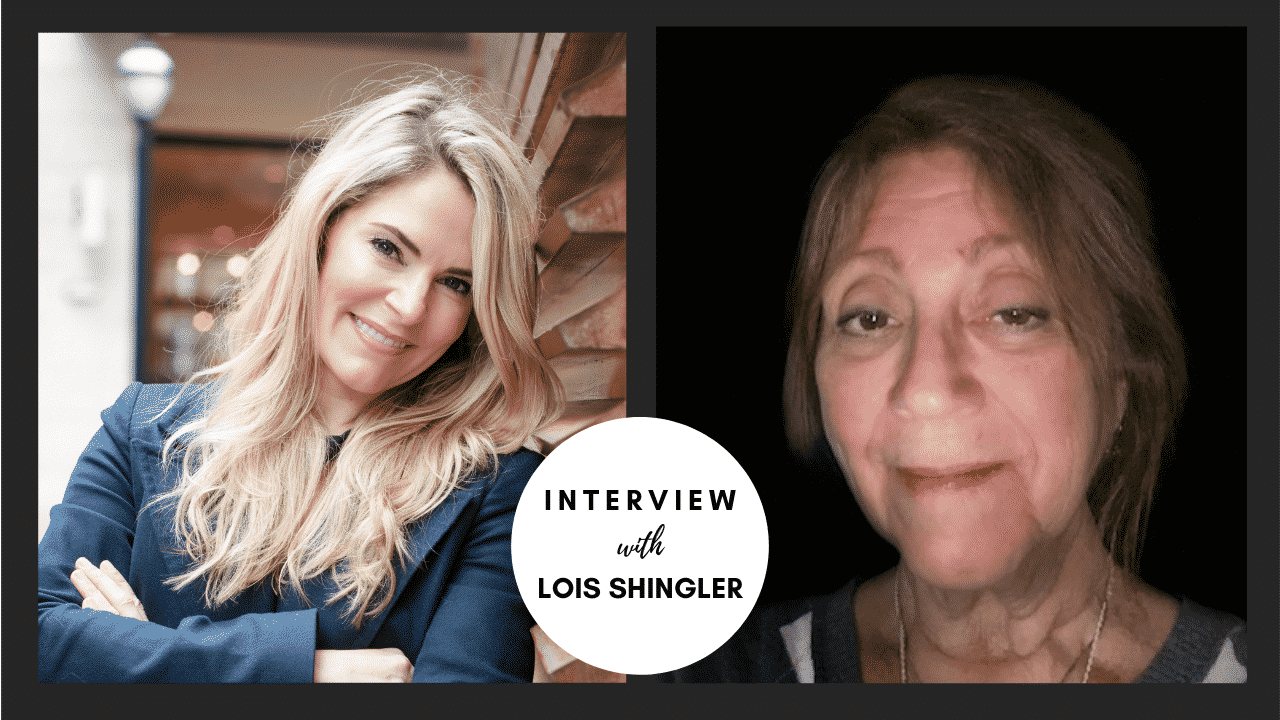
Over 75% of adults with developmental disabilities live at home with family. There is a growing population of aging caregivers of adults with developmental disabilities, in part due to increased lifespan and extensive waiting lists for residential services (The Arc Autism Now).
In honor of World Autism Day, today’s podcast episode focuses on older adults who are caring for adult children with autism or other Intellectual or Developmental Disabilities (IDDs).
In this interview, Lois Shingler, an attorney and co-founder of Peter and Paul’s Place shares her experience of being 70 years old while caring for Paul, her 45 year old son with Autism. She also provides several tips for other aging parents caring for their adult children with IDDs. Here’s a peek inside the episode:
- [10:45] Lois describes her experience of entering older adulthood while caring for Paul, her 45 year old son with Autism
- [17:53] Learn what you need to plan for if you’re an older adult caring for an adult with special needs, from transportation, to housing, to finances, to who will assist your loved one.
- [28:00] A man on his deathbed who feared for his son who was living with Schizophrenia.
- [31:50] The emotional angst of planning for who will care for your son with special needs when you are no longer able to.
- [42:31] Lois shares her secret to maintaining her mental health through it all.
Watch a video clip of our interview, here:
Recommendations for Planning for Caring for Adults with Special Needs When You Are No Longer Able to Care for Them
Transportation
- Make a plan for how your loved one will attend social activities, supported work programs, community functions, etc.
- Contact your local Area Agency on Aging and ask to speak with a mobility counselor. Plug in your zip code and find your local Area Agency on aging here.
Housing options
- Make a plan for where your loved one will live and with whom they will live.
- Need help finding housing for your loved one? Contact your local Area Agency on Aging and ask to speak with a specialist in housing for people with special needs. Plug in your zip code and find your local Area Agency on aging here.
Financial security
- Make a plan for how finances will be managed and protected, consider learning more about:
- Social Security Disability benefits
- ABLE accounts for people with disabilities
- Establishing a Special Needs Trust
- To find an attorney who can help with a Special Needs Trust, search through your local Bar Association by state, here.
Identify who will be the steward of resources for your loved one with special needs (e.g., guardian and/or conservator)
- If you do not have a family member, consider reaching out to a microboard. A microboard is a formalized “circle of support,” a non-profit corporation consisting of a small group of individuals who assist an individual with disabilities in creating and implementing a life plan. Google to find a microboard near you.
Social Needs:
- Planning for the social needs of your loved one is very important. It may help to write down the types of activities your loved one enjoys and which community programs they regularly participate in. Write the name of the program and contact information, as well as the contact information of points of contact within each program. For example: If your loved one is in a supported work program, write down the program’s name, contact, the agency where your loved one works, etc. Consider storing this information in multiple locations (e.g., with your loved one, with you your last will and testament, with a social worker who is assisting, in your loved one’s medical record, etc).
Your Own Mental Health Care
- Caring for an adult child with intellectual or developmental disabilities can add mental and physical stress to an older adult’s life, not to mention the emotional turmoil of planning for your adult child’s life without you. It’s essential that you attend to your own mental health needs as well. This may include having a community of support from friends and peers experiencing similar concerns at this stage in life, and it might also mean mental health care from a professional mental health provider.
About Lois Shingler
Lois Shingler is an attorney who has served as a Hearing Officer for Special Education Due Process hearings for the State of Georgia, as a Special Assistant Attorney General representing the Department of Family and Children Services in several counties in Georgia, and as Guardian ad Litem representing children in contentious divorce and custody cases.
Lois is co-founder of Peter and Paul’s Place, Inc., a 501(c)3 organization, dedicated to establishing an inclusive residential community built around a Community Center. Lois’ son, Paul, is 45 years old and is on the Autism Spectrum. Issues involving Paul’s education, care, working life and long-term support led to the formation of Peter and Paul’s Place, Inc.
Peter and Paul’s Place, Inc purpose: Adults with disabilities often find themselves Isolated after they leave high school. We want to help change this by providing a place and a way to connect and engage. There is a great need to provide residential options, connections and community engagement for adults with disabilities particularly as they and their parents and family members age. Learn more at peterandpaulsplace.org
Learn more about living with autism after 65 years old
- Indiana Resource Center for Autism article, Autism After 65: Making the Most of the Golden Years
- Autism Research Institute article, Aging in Autism: A Call to Action
- The Guardian article, We Need to know and Do More About Aging With Autism
References:

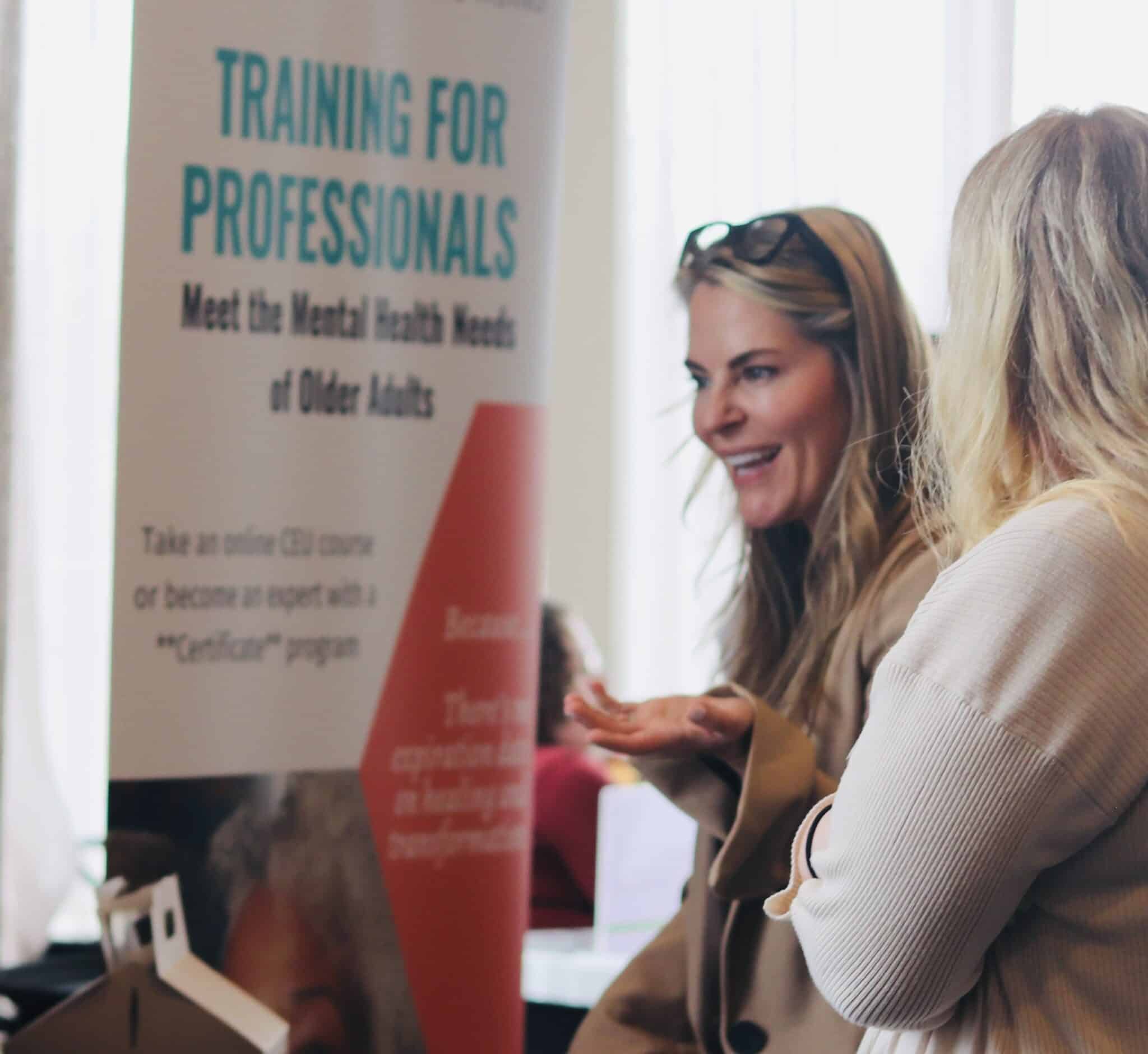
Dr. Regina Koepp is a board certified clinical psychologist, clinical geropsychologist, and founder and CEO of the Center for Mental Health & Aging: the “go to” place for mental health and aging. Dr. Koepp is a sought after speaker on the topics of mental health and aging, caregiving, ageism, resilience, intimacy in the context of life altering Illness, and dementia and sexual expression. Dr. Koepp is on a mission to ensure mental health and belonging for older adults, because every person at every age is worthy of healing, transformation, and love. Learn more about Dr. Regina Koepp here.
Regina Koepp, PsyD, ABPP



















































Want More? Listen to Our Most Recent Episodes


Older adults deserve high quality mental health care.
Therapists deserve the training to provide that care.
