
When older adults begin to experience physical or mental health changes, like with dementia disorders, it can be difficult to know the steps to take to be helpful.
It can be particularly difficult for family caregivers to know how to balance independence with concerns for safety.
And, to top it off, you may worry that insisting that your loved one see a doctor may rupture your relationship with them, push them away, or undermine their rights and dignity.
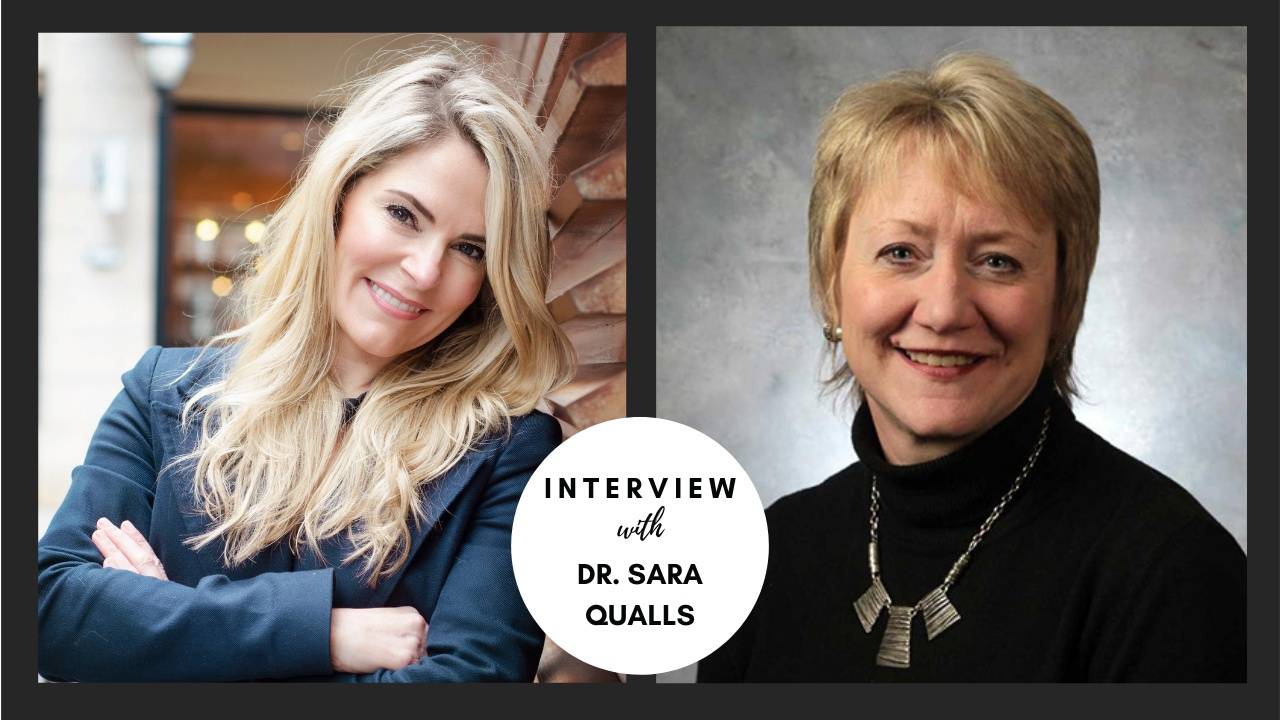
In situations like these, it’s essential that we have experts to guide us, people like, Dr. Sara Qualls, Clinical Geropsychologist and Kraemer Family Professor of Aging Studies at the University of Colorado at Colorado Springs (UCCS).
In this podcast episode, Dr. Qualls discusses:
- Common role transitions in older families
- Tips for balancing safety and autonomy
- Strategies for having tough conversations with aging loved ones while preserving dignity and respect
- Steps to take when aging parents need help, but are refusing care.
Here’s a peek into my interview with Dr. Qualls:
- [10:04] What are some of the common role transitions in older families?
- [13:34] Worried about your aging parent’s safety or capacity to make decisions? Steps to take when your aging parent needs help.
- [20:11] Feeling guilty about caregiving decisions? How to repair ruptures in the relationship with your older loved one.
- [22:59] Learn how to balance your older loved one’s safety with autonomy
- [27:04] Every family is unique and will make changes in line with their patterns as a family. Learn more here.
- [33:12] Why you may want to reconsider your use of the term, “parenting your parents”
- [37:51] How to invite your older loved one back into the relationship while you’re caring for them?
- [45:27] Important considerations for families with a history of toxic or painful relationships.
- [47:55] Interested in caregiver family therapy? Tips for finding a family therapist.
Watch this brief video clip of the interview where Dr. Qualls shares the steps to take if you’re worried about an aging parent (listen to the full episode on the podcast):
About Dr. Sara Qualls
Dr. Sara Qualls is a Kraemer Family Professor of Aging Studies & Interim Director of Clinical Training at the University of Colorado at Colorado Springs (UCCS).
Since 1984, Dr. Qualls has been a member of the Psychology faculty. She served as Department Chair (1993-2000), Director of Clinical Training (1987-96; 2004-07) and Director of the UCCS Aging Center (2016-2018). She teaches primarily at the graduate level, maintains a lab of research mentees, and conducts research on the caregiver program within the department’s training clinic, the UCCS Aging Center. Other campus roles include Director of the Gerontology Center, and Faculty Director of the Lane Center for Academic Health Sciences. Dr. Qualls is currently serving as the Interim Director of Clinical Training.
Sara Qualls’ book, Caregiver Family Therapy
Resources mentioned in this interview
- Find your local Area Agency on Aging here

Dr. Regina Koepp is a board certified clinical psychologist, clinical geropsychologist, and founder and CEO of the Center for Mental Health & Aging: the “go to” place for mental health and aging. Dr. Koepp is a sought after speaker on the topics of mental health and aging, caregiving, ageism, resilience, intimacy in the context of life altering Illness, and dementia and sexual expression. Dr. Koepp is on a mission to ensure mental health and belonging for older adults, because every person at every age is worthy of healing, transformation, and love. Learn more about Dr. Regina Koepp here.
Regina Koepp, PsyD, ABPP















































Want More? Listen to Our Most Recent Episodes


Older adults deserve high quality mental health care.
Therapists deserve the training to provide that care.
