
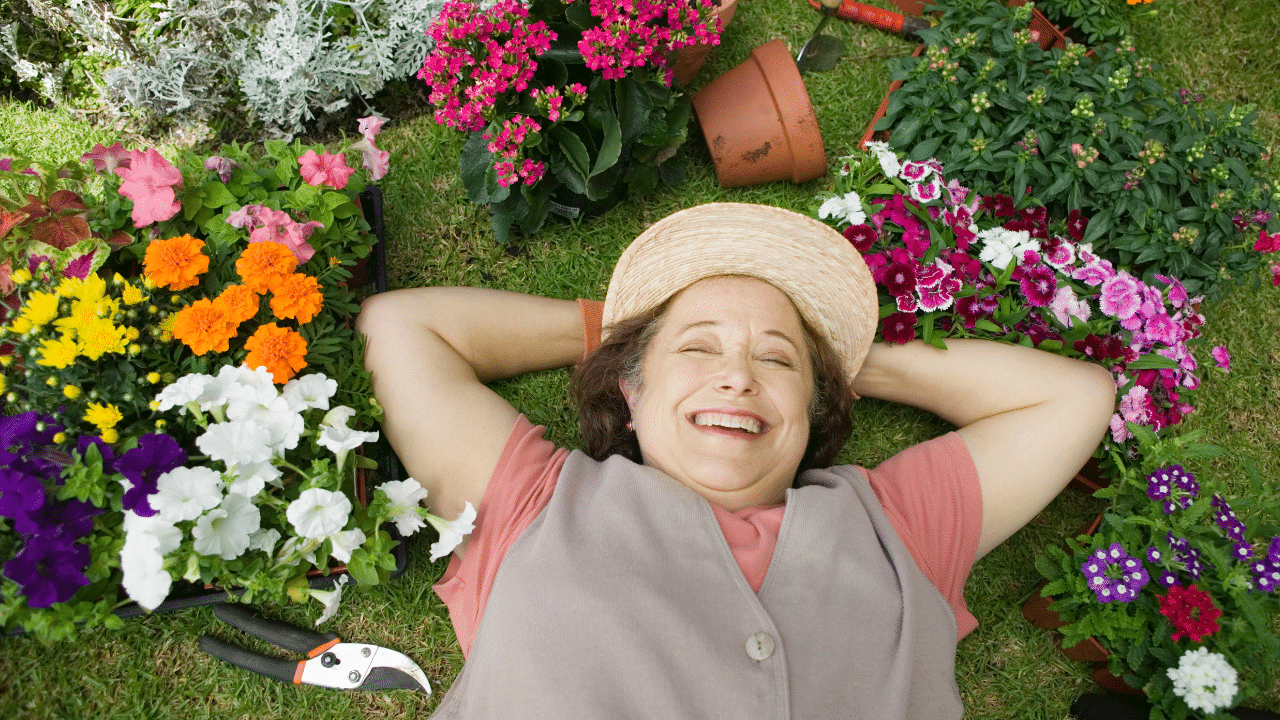
According to the Environmental Protection Agency (EPA), the average American spends only 7% of their entire life outdoors. Spending instead, 93% of their life indoors, including 87% of their life is inside buildings or homes, then another 6% of life in automobiles.
This statistic is staggering, especially when considering that spending time outdoors and in nature is good for our brain. Research has identified the benefits of walking in nature on memory (Berman, Jonides, & Kaplan, 2008), attention and focus (Hartig, Mang, & Evans, 1991), and problem-solving skills and creative abilities (Atchley, Strayer, & Atchley, 2012).
Similar studies have found that being in nature is good for our mental health in that it reduces stress (Gidlow, Randall, Gillman, Smith, & Jones, 2016) and uplifts our mood and promotes motivation (Berman et al., 2012)
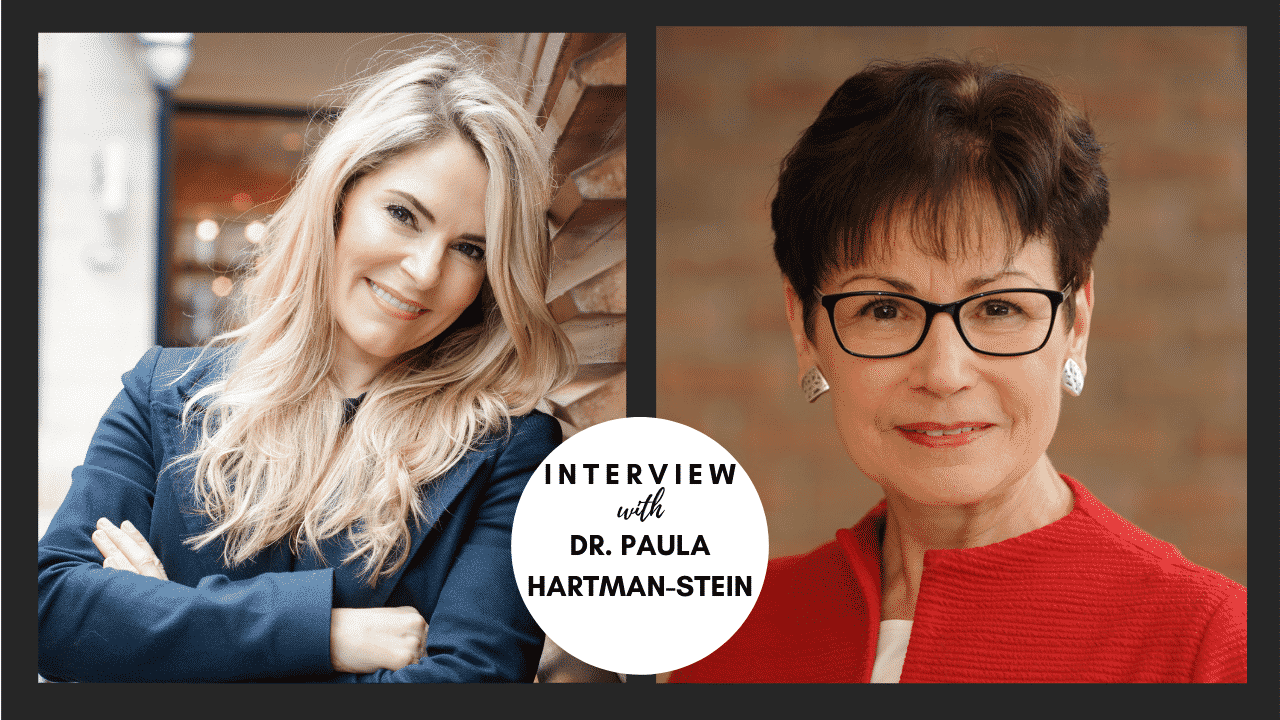
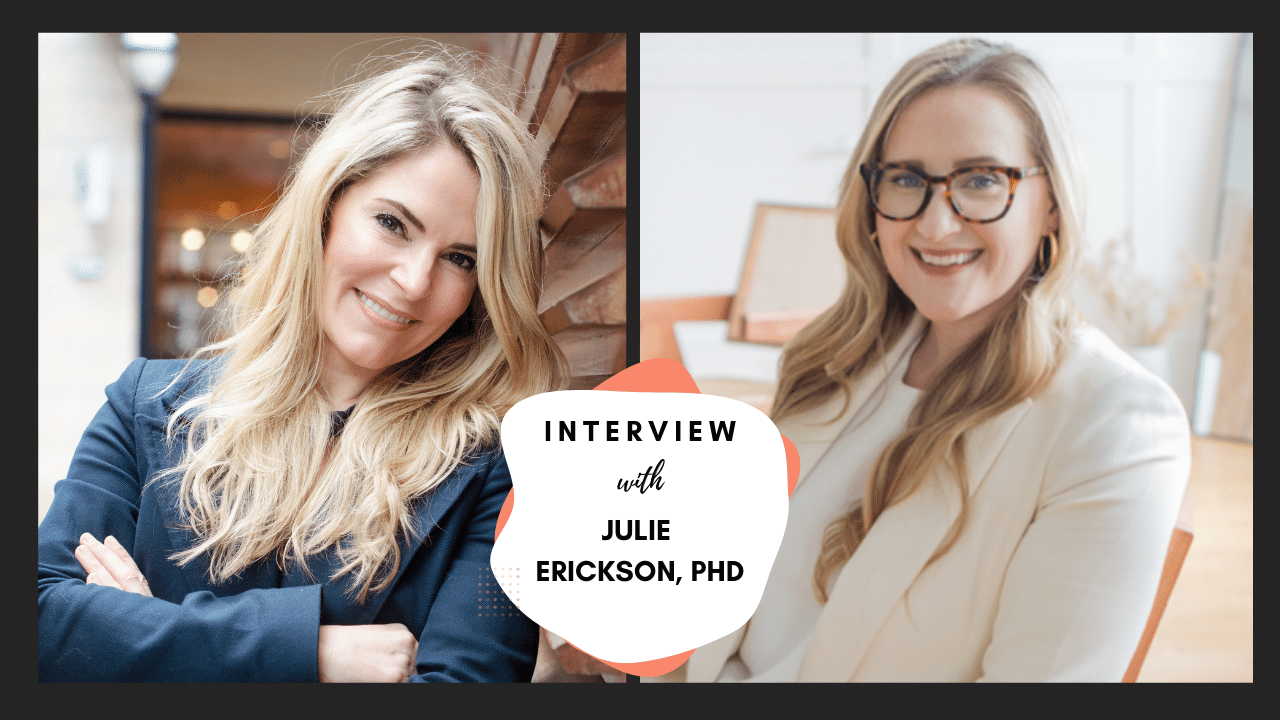
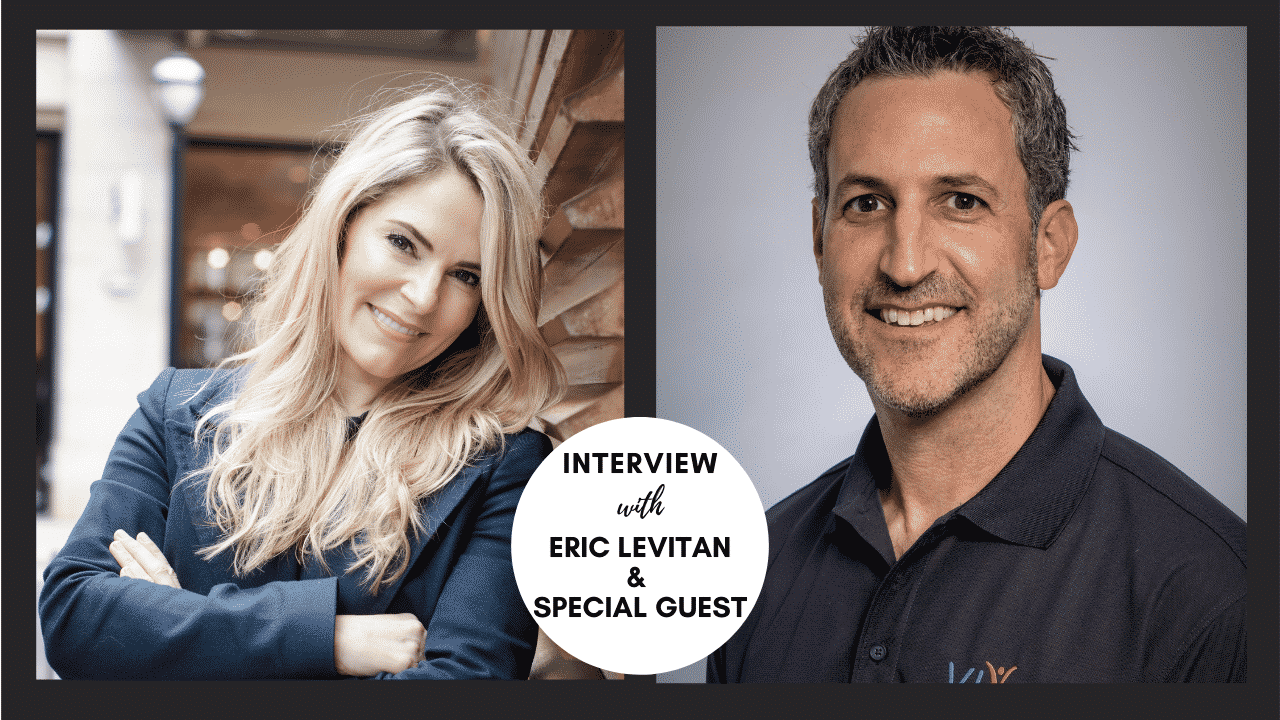
Our guest today, Dr. Paula Hartman-Stein, discusses the importance of Vitamin N for Nature by sharing current research about the importance of incorporating nature into our daily lives and provides actionable strategies you can use to reduce “nature-deficit disorder” by incorporating nature into your daily life, even if you cannot leave your home.
Here’s a peek into my interview with Dr. Paula Hartman-Stein:
- [02:47] From growing up a coal miner’s daughter to writing over 150 articles on aging, today’s guest will inspire you with her biography.
- [08:16] There’s a little known but very important vitamin – Vitamin N for Nature. Learn more about Vitamin N for “Nature” here.
- [16:49] Simply being in nature or forest bathing, or Shinrin-yoku, as they call it in Japan, benefits the brain.
- [18:57] Human-animal interactions have even shown reduction in blood pressure and less anxiety.
- [29:17] Dr. Hartman-Stein answers the question: how often should people be going into nature to receive maximum benefit for mental health and brain health?
- [31:34] Can’t make it out in nature? No problem. Learn about how simply looking at photographs of nature stimulates the brain.
- [36:26] Learn 4 proven strategies to prevent dementia – these are tips you can start using today
- [45:23] For people have been living in assisted living communities and are unable to leave during the pandemic, Dr. Hartman-Stein shares some of the benefits of including plants and photographs of nature living spaces.
Watch the video clip of our interview where Dr. Hartman-Stein talks about Vitamin N for “Nature” (listen to the full episode on the podcast):
About Paula Harman-Stein
Paula Hartman-Stein, Ph.D. has achieved national recognition as a psychologist, educator and journalist, specializing in issues pertinent to aging. Throughout her distinguished career she has served individuals and families in a variety of settings and for 21 years directed the Center for Healthy Aging, a private practice she founded in Northeast Ohio. Dr. Hartman-Stein’s current academic appointments include Senior Fellow at the Institute for Life Span Development and Gerontology at the University of Akron and faculty in the Integrated Primary Care certificate program at the U of Massachusetts Medical School.
Currently Dr. Stein conducts webinars on the research evidence for delaying or preventing dementia and the healing power of nature. She also offers private consultations to groups and individuals on strategies for healthy aging and can be reached through her website, www.centerforhealthyaging.com
Resources mentioned in this interview
- The Nature Principle by Richard Louv
- How much pleasure are you getting in your life? Pleasant Events Schedule
References:
- Atchley RA, Strayer DL, & Atchley P (2012) Creativity in the Wild: Improving Creative Reasoning through Immersion in Natural Settings. PLoS ONE 7(12): e51474. https://doi.org/10.1371/journal.pone.0051474
- Berman, M. G., Jonides, J., & Kaplan, S. (2008). The Cognitive Benefits of Interacting With Nature. Psychological Science, 19(12), 1207–1212. https://doi.org/10.1111/j.1467-9280.2008.02225.x
- Berman, M. G., Kross, E., Krpan, K. M., Askren, M. K., Burson, A., Deldin, P. J., Kaplan, S., Sherdell, L., Gotlib, I. H., & Jonides, J. (2012). Interacting with nature improves cognition and affect for individuals with depression. Journal of affective disorders, 140(3), 300–305. https://doi.org/10.1016/j.jad.2012.03.012
- Faber Taylor, A., & Kuo, F. E. (2009). Children With Attention Deficits Concentrate Better After Walk in the Park. Journal of Attention Disorders, 12(5), 402–409. https://doi.org/10.1177/1087054708323000
- Li Q. (2010). Effect of forest bathing trips on human immune function. Environmental health and preventive medicine, 15(1), 9–17. https://doi.org/10.1007/s12199-008-0068-3
Learn more about memory loss
If you’re concerned about someone you love possibly having a significant memory loss or a dementia disorder, please download my free memory loss guide. It answers some of the most frequently asked questions I get about memory loss.


Dr. Regina Koepp is a board certified clinical psychologist, clinical geropsychologist, and founder and CEO of the Center for Mental Health & Aging: the “go to” place for mental health and aging. Dr. Koepp is a sought after speaker on the topics of mental health and aging, caregiving, ageism, resilience, intimacy in the context of life altering Illness, and dementia and sexual expression. Dr. Koepp is on a mission to ensure mental health and belonging for older adults, because every person at every age is worthy of healing, transformation, and love. Learn more about Dr. Regina Koepp here.
Regina Koepp, PsyD, ABPP
























Want More? Listen to Our Most Recent Episodes


Older adults deserve high quality mental health care.
Therapists deserve the training to provide that care.
