Love, intimacy, and sexuality are important aspects for people living with dementia and their intimate partners.
A growing body of research tells us that the majority of older nursing home residents, including those with dementia disorders, continue to value intimacy1,2.
It’s time we shift the narrative about dementia and sexuality toward a more accurate and holistic view.
In order to honor the rights and dignity of people living with dementia, it is recommended that long-term care communities develop sexual health policies and have a process for conducting a sexual health assessment.
What are the benefits of assessing the sexual health and needs of residents living in long term care
In keeping with the ongoing effort to create assisted living communities that are respectful of patient autonomy and preferences, It’s widely recommended that long-term care facilities include plans on how to accommodate sexual intimacy. This includes conducting a sexual health assessment.
Addressing an older adult’s sexuality (and an adult living with dementia’s sexuality) has been shown to increase self-esteem, promote companionship, and improve quality of life.
Sexual needs and preferences are unique to each individual and couple, thus, it’s important to assess each individual’s sexual health needs and preferences. Knowing this can help the LTC make recommendations and provide education to the resident, staff, and family.
Ultimately, understanding the sexual health needs and preferences of adults living with dementia in LTC can help to ensure that the resident with dementia is receiving holistic person-centered care.
When and where to conduct the sexual health assessment?
Some experts3 suggest that sexuality, sexual needs, and sexual desires should be assessed during the initial nurse or physician health assessment with the resident. It is important to demonstrate to residents that there is an awareness and openness to the sexual health of the residents.
Others4 suggest that due to the sensitivity of the topic, staff consider waiting until trust is established with a resident. But note that if a sexual health assessment is conducted along with the health assessment, that sexual health questions NOT be saved until the end as doing so may convey that the assessor is uncomfortable with the topic, which may ignite discomfort in the resident.
A long-term care community may also choose to create a form that residents can complete on their own4
How to start the sexual health assessment
Starting with normalizing, asking permission, and offering open ended questions may help to promote comfort and ease with the topic. For example, you may consider starting the conversation with…
At our assisted living community, we honor the rights and dignity of all of our residents. These rights include the right to intimacy. We know that people continue to enjoy intimacy throughout their lives. So, to ensure that we are addressing all of your concerns, needs, and wishes to live a full life, I’d like to ask you some questions about intimacy. Is this okay with you?
Where to find a sexual health assessment?
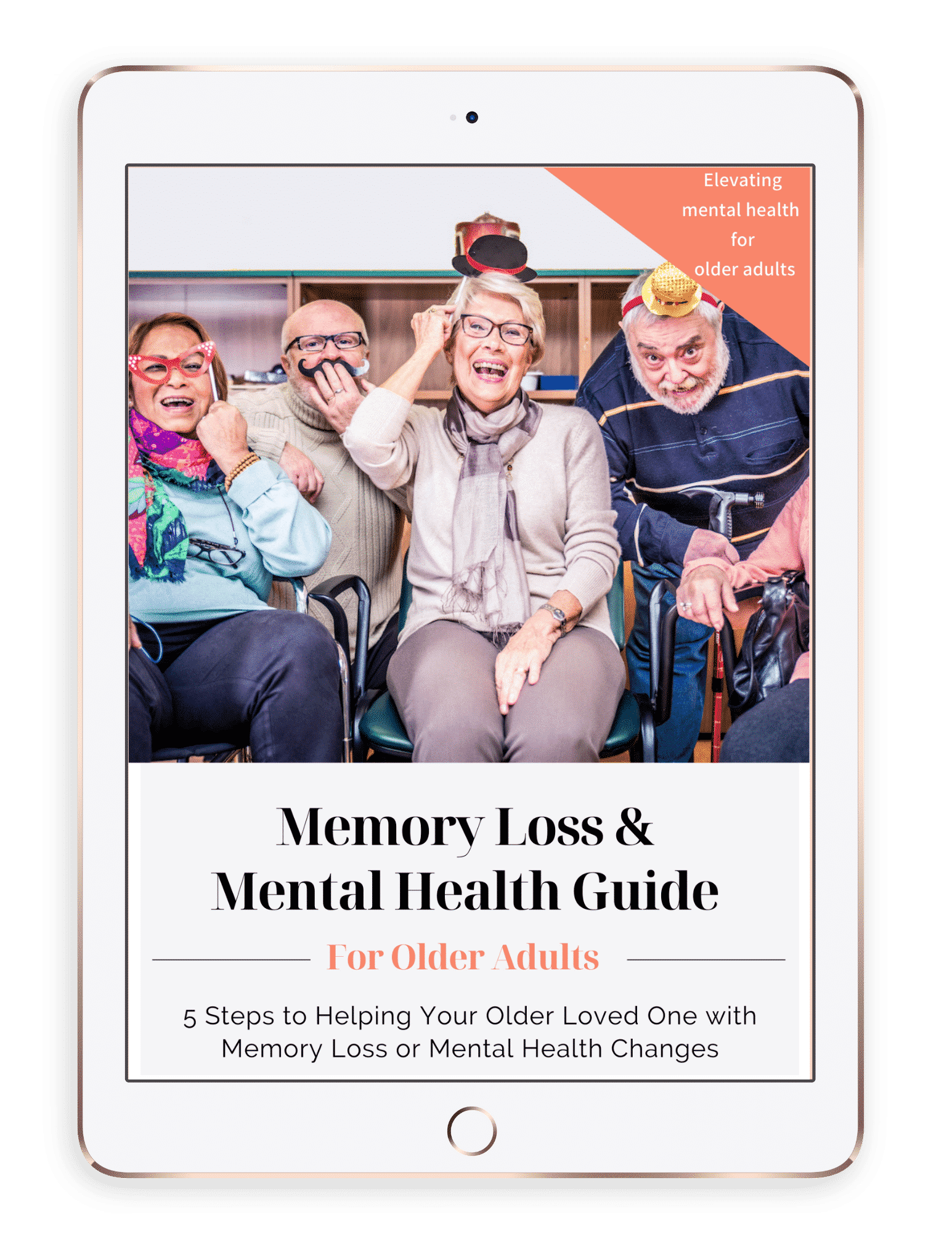
Are you looking for more guidance on conducting a sexual health assessment? The guide below offers 17 sexual health assessment questions to consider. Download it now.

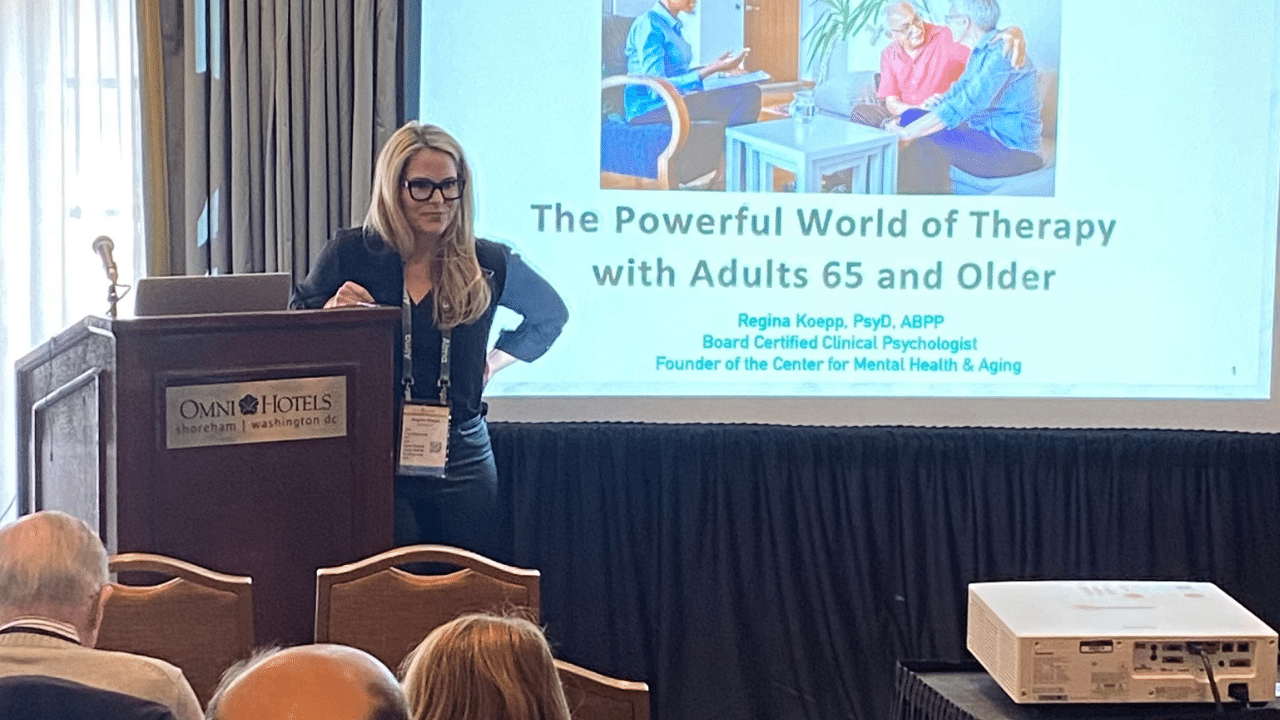
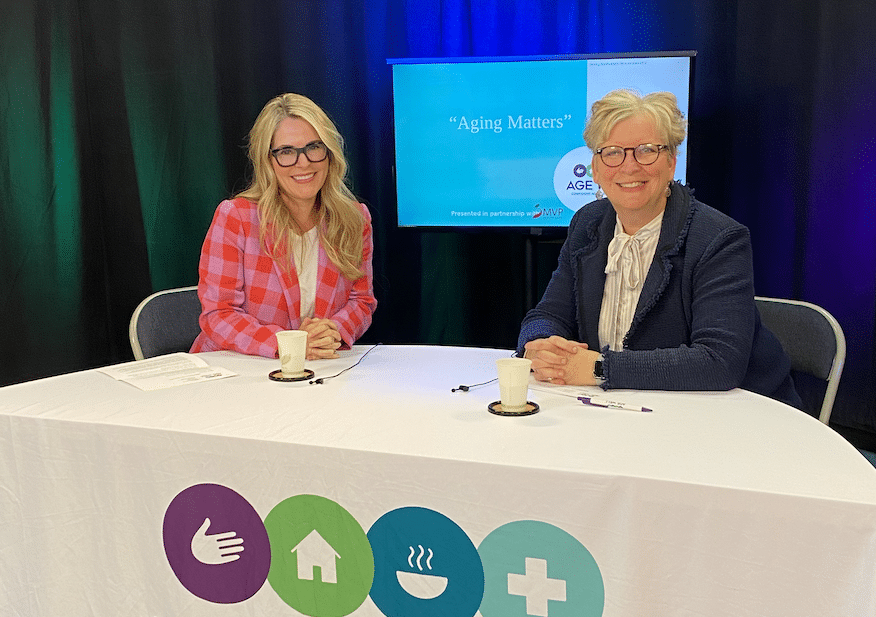
Dr. Regina Koepp is a board certified clinical psychologist, clinical geropsychologist, and founder and CEO of the Center for Mental Health & Aging: the “go to” place for mental health and aging. Dr. Koepp is a sought after speaker on the topics of mental health and aging, caregiving, ageism, resilience, intimacy in the context of life altering Illness, and dementia and sexual expression. Dr. Koepp is on a mission to ensure mental health and belonging for older adults, because every person at every age is worthy of healing, transformation, and love. Learn more about Dr. Regina Koepp here.
Regina Koepp, PsyD, ABPP







































































Want More? Read Our Most Recent Posts


Older adults deserve high quality mental health care.
Therapists deserve the training to provide that care.