For many people living with Parkinson’s Disease, sexual functioning can change, but intimacy doesn’t have to.
I was working with a 70-something husband and wife a few months ago. The wife was living Parkinson’s Disease and had extreme tremors in her arms and hands. Her tremors were very uncomfortable and extremely distressing to her.
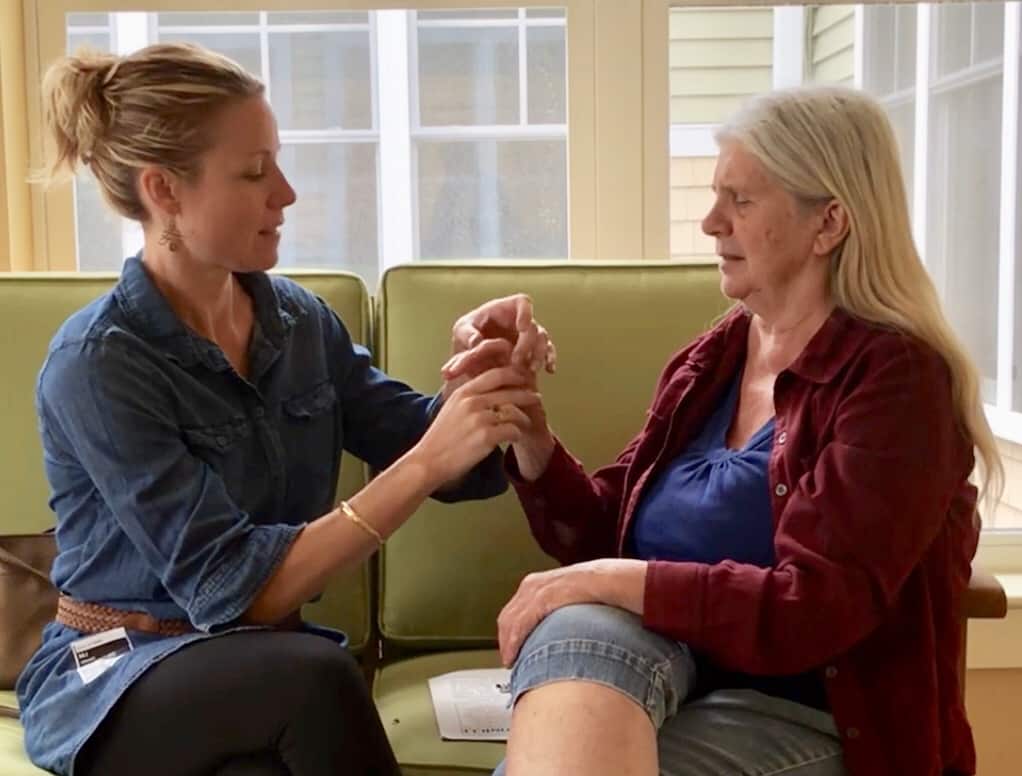
But the most incredible thing would happen…when she would sit next to her partner and hold his hand, the tremors lessened in intensity and her body could be still offering her relief. This simple act of connection and intimacy provided immediate grounding and regulation to her nervous system.
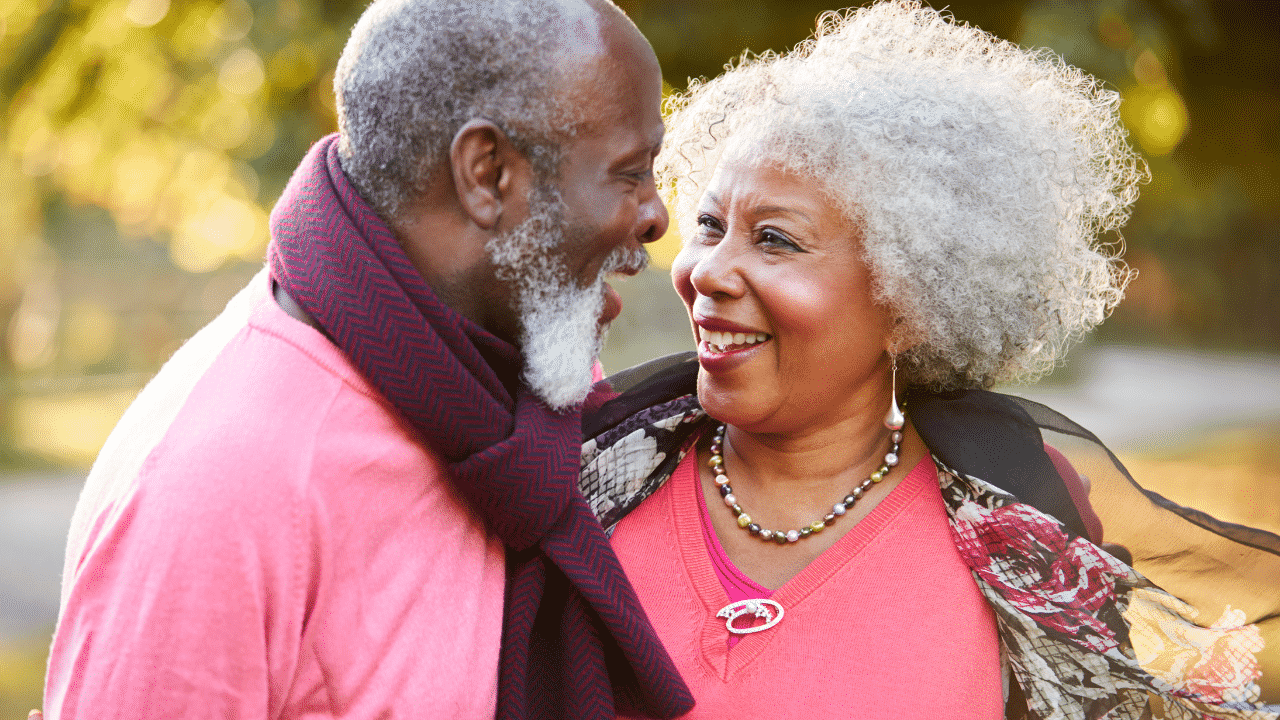
Intimacy comes in many forms from emotional connection to hand holding to sex, and has many rewards. If you’d like more intimacy with your partner, here are five ways to cultivate intimacy and connection with your partner when you’re living with Parkinson’s Disease.
-
Schedule time for intimacy
Here’s the thing, we often don’t do this, and we expect that our bodies will let us know when it’s time to get intimate with our partner. The challenge is there are lots of distractions and priorities on our time and intimacy often goes to the bottom of the list. Well, if you wanna cultivate intimacy and connection with your partner, schedule time for intimacy, and if you’re living with Parkinson’s, try to do it at a time that you know that your body is at its best.
-
Two is set the mood.
Light a candle and turn on some music and remove all distractions, like no tv, no phones, no people knocking on the door. Set the mood and really be intentional that this is a sacred, protected space just for you and your partner.
-
Adjust your “sex”pectations.
orgasm or climax or an erection may not be possible for your body at this time. And instead of focusing on how your body is different or no longer supporting you or able, get curious about your body . Explore and learn about your body in a whole new way and make that exploration and that sensual journey the goal, not climax.
-
Communicate with your partner.
When living with parkinson’s disease you’ll have a lot to communicate with your partner about. For example, it will be important to communicate about the changes in your body and how your body is different than when you and your partner first met and what it’s capable of now. If you don’t know, you might even communicate that this is new to you as well, and that’s okay.
You can also try to cultivate intimacy by communicating about times in your relationship where you were experiencing the most intimacy with one another, and then to reminisce and describe in detail what those moments were like. That can start to cultivate some of those sensual feelings and memories that can begin to generate new sensual feelings and connection with your partner.
-
Leave judgment at the door.
This will be new for you and your partner. You might try something and it flops. You might try something and it surprises you. The goal here is to leave judgment at the door and really get curious about your body and about your partner and your partner’s body. Judgment has no place in the bedroom.
There are many benefits to cultivating intimacy and connection in your relationship when living with Parkinson’s, including a greater sense of connection with your partner, a greater sense of comfort within yourself and overall wellness for both you and your partner. So give one of these strategies a try and see how it goes.
Where to learn more about aging and sexual health?
Learn more about aging and sexual health in our top-rated continuing education courses:

Dr. Regina Koepp is a board certified clinical psychologist, clinical geropsychologist, and founder and CEO of the Center for Mental Health & Aging: the “go to” place for mental health and aging. Dr. Koepp is a sought after speaker on the topics of mental health and aging, caregiving, ageism, resilience, intimacy in the context of life altering Illness, and dementia and sexual expression. Dr. Koepp is on a mission to ensure mental health and belonging for older adults, because every person at every age is worthy of healing, transformation, and love. Learn more about Dr. Regina Koepp here.
Regina Koepp, PsyD, ABPP





























Want More? Read Our Most Recent Posts


Older adults deserve high quality mental health care.
Therapists deserve the training to provide that care.