There’s more to aging well than diet and exercise.
Twenty years ago, I set out to build a career working with people living with life altering medical problems, many of whom were at the end of their life. People would often ask me: “Isn’t it depressing? How do you sleep at night?”
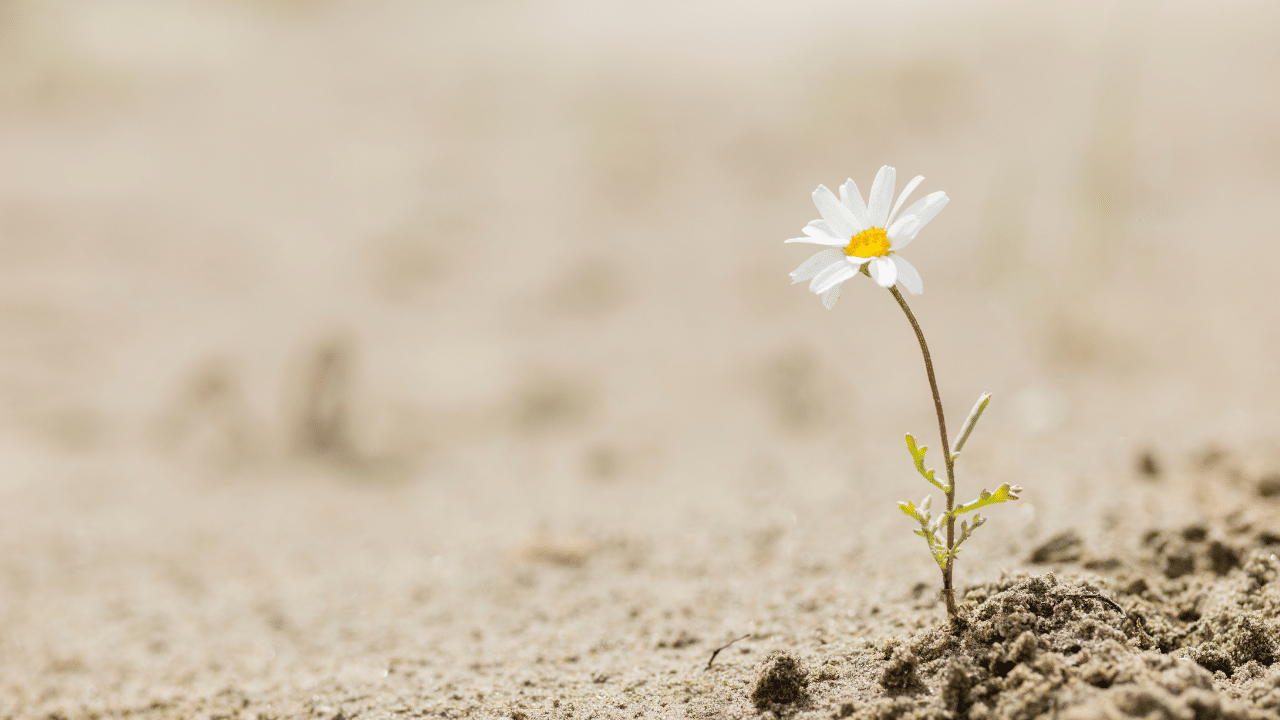
My response was almost always, “people are not the sum of their problems. They’re profoundly resilient.” Even while working in hospice care, where all of my patients died, I was constantly inspired by the resilience of the human spirit in a person’s most physically vulnerable time.
As a society, we’re VERY focused on the physical aspects of successful aging, like exercise, nutritious diets, and a good night sleep. While these are important aspects of healthy aging, there are other key ingredients that improve health outcomes and wellbeing, even when living with a chronic illness or facing the end of our lives. One of these being RESILIENCE.
What is resilience?
The American Psychological Association (APA) defines resilience as “the process of adapting well in the face of adversity, trauma, tragedy, threats, or significant sources of stress,” or “bouncing back” from difficult experiences.
Here’s the good news! We have the capacity to build resilience, regardless of how much money we make, how much hardship we experience, or our physical health.
And when it comes to older adults, they prove time and time again that psychological resilience increases as we age. In some studies, adults age 85 and older appear to have the same or greater capacity for resilience compared to those who are younger.
In another study, researchers found that people aged 100 years and over were the most resilient among the older groups. And, 94–98 years old with high resilience were 43.1% more likely to reach 100 years than those with low resilience.
The take home message here is that an accumulation of adversities throughout life offer us opportunities for resilience, build confidence in meeting challenges, and thus improve outcomes later in life.
Benefits of Resilience in Older Adulthood
As we age, the narrative often centers on the challenges and declines associated with older adulthood. However, this perspective overlooks a crucial aspect that many older adults possess in abundance: resilience. When older adults exhibit high levels of resilience, they display remarkable adaptability to life’s changes and an enhanced capacity to cope with health challenges.
Whether it’s navigating the emotional landscape of retirement and loss or confronting physical limitations, resilience empowers them to find new meaning and continue to thrive.
Research shows that resilience in later life is not just beneficial for those in good health. Even among older adults grappling with chronic illnesses, a resilient disposition can lead to improved quality of life, better mental health, and an array of positive outcomes.
When older adults have higher rates of resilience, they are better at adapting to change and coping with health challenges. Here’s how:
- Adapting to Change: As they face life transitions like retirement, loss of loved ones, or physical limitations, resilience helps them adapt and find new meaning in life.
- Coping with Health Challenges: Resilient older adults are better equipped to handle chronic illnesses or recover from medical setbacks.
Research shows us that high resilience later in life can help older adults:
- achieve improved quality of life, better mental health, overall self-perceived successful aging, despite the adversities they may face
- experience greater happiness, wellbeing, and satisfaction with life
- improve resistance to stress
- lower rates of depression.
- experience positive physical outcomes, like independence in activities of daily living, increased longevity, lower mortality risk, and faster cardiovascular recovery
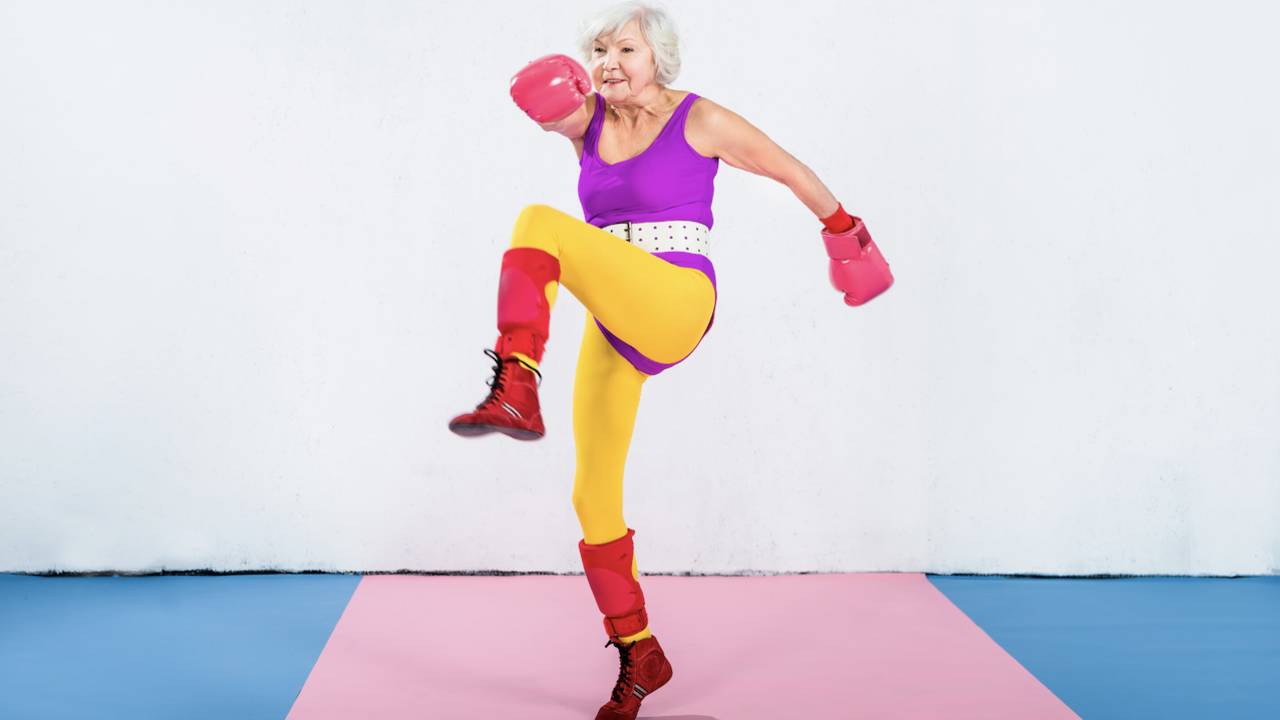
It’s time we move away from an image of frailty and decline and mental and physical limitations, to one of resilience even in the context of vulnerability, illness, and loss.
How to cultivate resilience among older adults
Cultivating resilience is not just about enduring the storms but also about thriving in their aftermath. It’s akin to a tree deepening its roots to withstand storms. It’s a journey of transformation, where every step, no matter how small, leads to a more robust, fulfilled version of ourselves.
A significant body of research has looked at what older adults high in resilience do to build resilience. Here are 6 of the strategies older adults have tended to use to build their resilience.
Here are 6 strategies to help to build resilience in older adulthood:
- Maintaining Strong Relationships and Social Support: Imagine this as the warmth of a close-knit community on a cold night. An example is regularly scheduling family dinners or outings with friends to foster and maintain these vital connections. Joining social groups or online communities with similar interests can help build and strengthen this network.
- Becoming Active in the Community: Much like a single thread strengthens the fabric when woven into a tapestry, active community involvement strengthens personal resilience. Volunteering at a local shelter or joining a community garden can be excellent ways to engage.
- Maintaining Hopefulness: This is the light that guides us through darkness. Setting small, achievable goals each day can help maintain a sense of hope and purpose.
- Developing Strong Coping Skills: These are the tools in our resilience toolkit. Learning stress management techniques, like deep breathing exercises or mindset shifts, meditation, or focusing on times in your life that you endured hardship and identifying how you persevered through the difficulties.
- Cultivating Optimism: It’s seeing the glass half full, even when it’s challenging. Keeping a gratitude journal to regularly remind oneself of the positive aspects of life can foster optimism.
- Embracing Positive Thinking and Emotions: This is like choosing to paint your world in bright colors. Practicing mindfulness and focusing on positive moments throughout the day can help in nurturing positive thinking and emotions.
I invite you to look beyond the conventional emphasis on physical health, and embrace the transformative power of resilience in older adulthood. Resilience is more than a mere coping mechanism; it is a beacon of hope, a source of renewed strength, and a pathway to a life replete with satisfaction, well-being, and meaningful connections.
Whether it’s through maintaining strong relationships, engaging actively in the community, nurturing hopefulness, developing robust coping skills, cultivating optimism, or embracing positive thinking, each step toward resilience is a step toward a richer, more fulfilling life. Even in the face of vulnerability, illness, and loss, aging can be a journey marked by resilience, grace, and an unyielding zest for life.
Let’s shift how we perceive our later years—from a time to be feared to a period rich in opportunities for deep, meaningful connections and continuous learning. Let’s celebrate aging as a vibrant chapter of life, where resilience shines brightly, and every day is a chance to enrich our journey with joy and purpose.
Aging isn’t just about the years in your life; it’s profoundly about the life in your years.
Want to learn more about ageism and its impact on physical and mental health? Check out this 60-min course. Your future self will thank you.


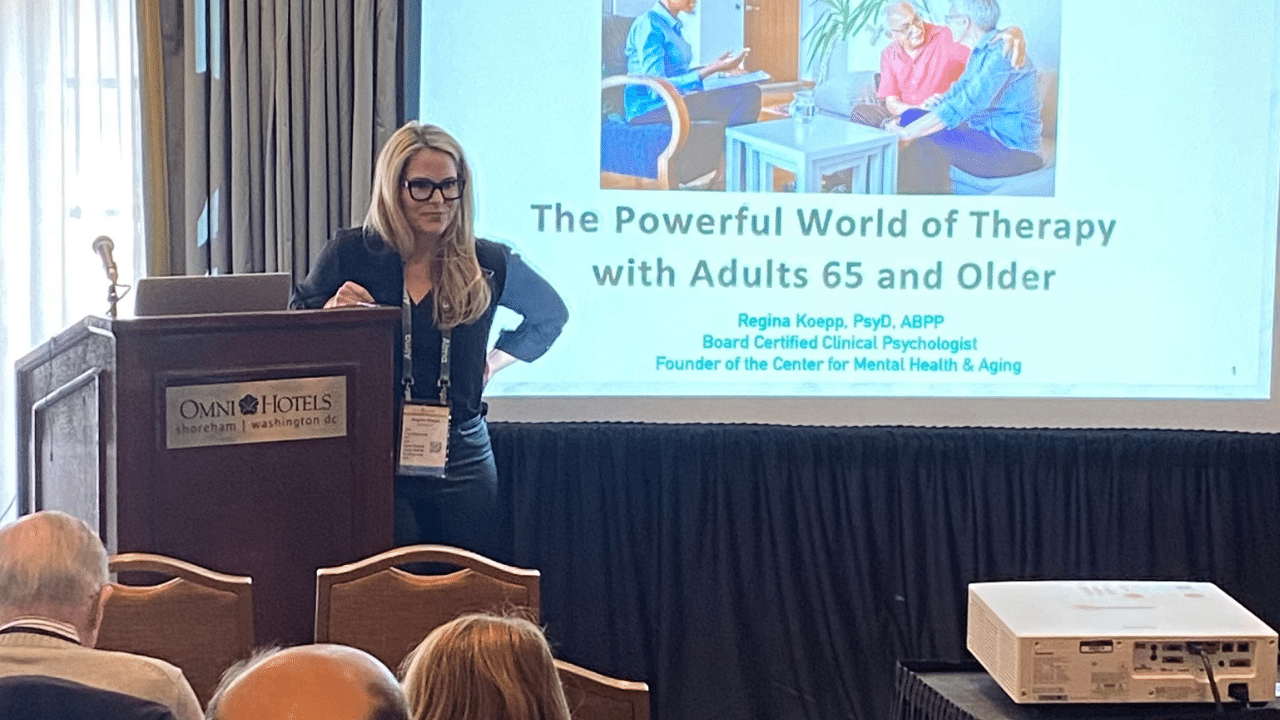
Dr. Regina Koepp is a board certified clinical psychologist, clinical geropsychologist, and founder and CEO of the Center for Mental Health & Aging: the “go to” place for mental health and aging. Dr. Koepp is a sought after speaker on the topics of mental health and aging, caregiving, ageism, resilience, intimacy in the context of life altering Illness, and dementia and sexual expression. Dr. Koepp is on a mission to ensure mental health and belonging for older adults, because every person at every age is worthy of healing, transformation, and love. Learn more about Dr. Regina Koepp here.
Regina Koepp, PsyD, ABPP




















Want More? Read Our Most Recent Posts


Older adults deserve high quality mental health care.
Therapists deserve the training to provide that care.