What is Ageism?
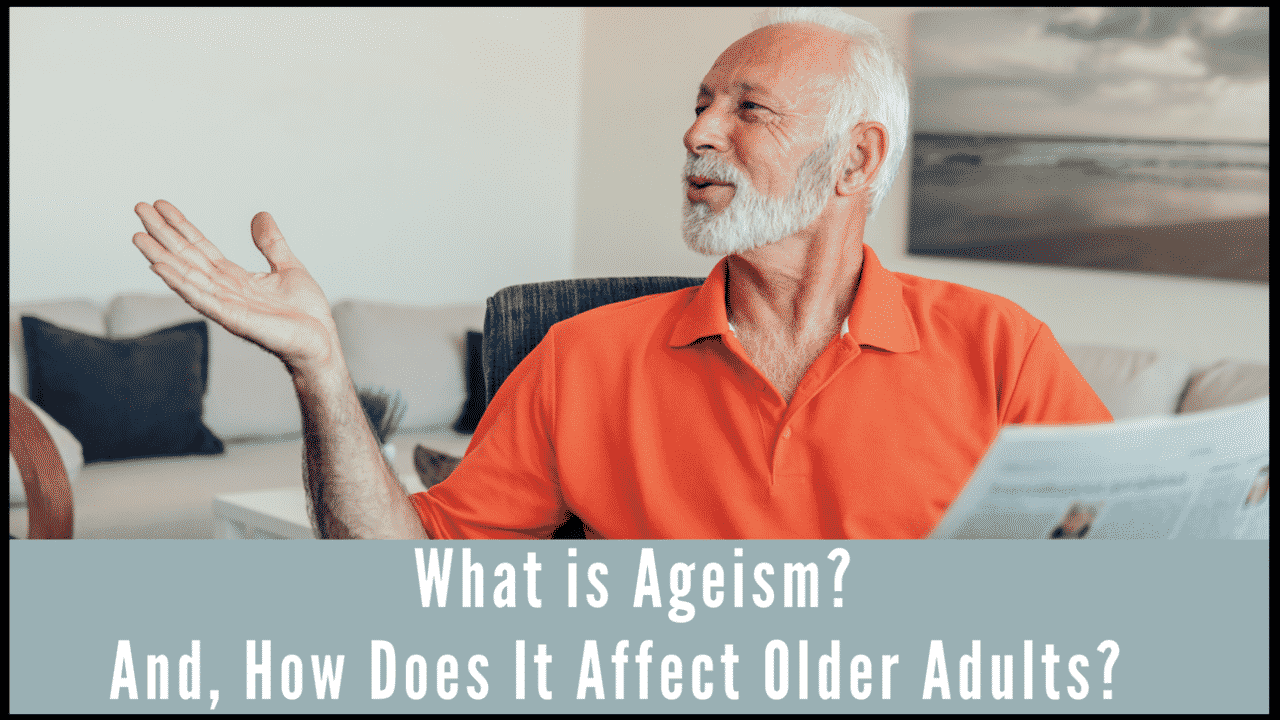
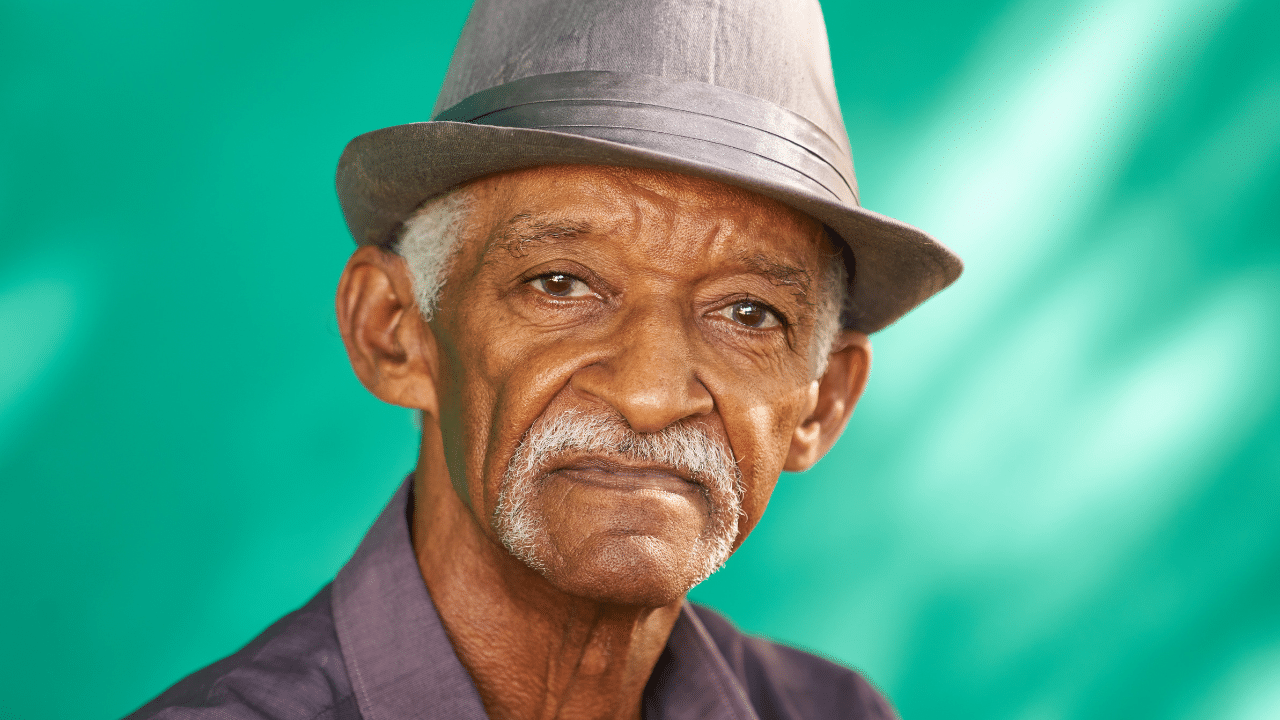
Ageism is bias and discrimination based on age and it affects older adults more than any other age group.
To start, I want to give you a few examples of what ageism looks like in every day life.
Start by thinking about older adults in your every day life. And, ask yourself if you’ve ever had any of these thoughts?
- She’s so cute!
- He’s surprisingly sharp!
- Isn’t it time that she retires!
- He’s doing so well for 85!
- Old people can’t change! “old dogs can’t learn new tricks”
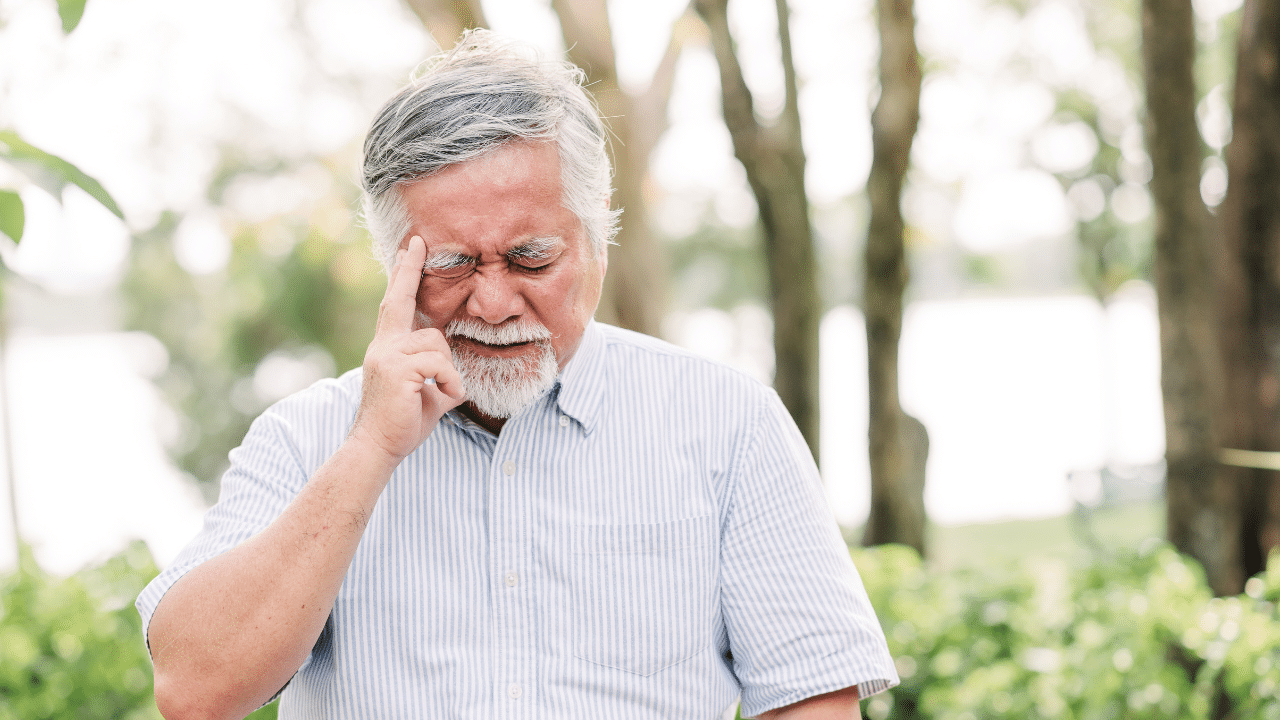
- Of course he’s depressed, he’s old
- Of course, she has dementia, she’s old.
Watch and learn!
How Does Ageism Affect Older Adults?
Researchers are very curious about ageism and how it affects older adults. In order to really capture ageism, researchers study what people (just like you and me) believe about older adults. You know! To find out what sorts of stereotypes we have about older adults. Here’s what they found.
The stereotypes that we old about older adults are that they are:
- Alike (“older adults are all the same”)
- Alone and lonely
- Sick, frail and dependent
- Depressed
- Rigid
- Unable to cope
And the list goes on!
But these thoughts about older adults are totally inaccurate.
Let me dispel a few more myths:
- There’s a myth that older adults are bad drivers!
When in fact most older adults are good drivers and modify their driving when they experience physical and medical changes. They are actually most likely to wear their seat belt and the least likely group to drink and drive. Learn more about older adults and driving here: Why Is Driving So Important to Seniors (EP #013)
- There’s also a myth that dementia is a normal part of aging.
Nope! It’s not. Check out more information in this episode -> Dementia is NOT a Normal Part of Aging (Ep #024)
- While we’re at it, contrary to popular belief, depression is NOT a normal part of aging, either.
According to the Centers for Disease Control and Prevention, only 1% to 5% of people 65 and older living in the community have depression. The rates increase a bit when older adults are in the hospital for a medical problem, but only to 11.5%, and still a little bit more to 13.5% when older adults require home health care assistance in their home.
And it doesn’t stop here, because we, as a society, hold many ageist thoughts, and are constantly influenced by media and misinformation, it shapes the way medical and mental health providers treat older adults, too! Studies show:
>> 35% of physicians wrongly consider an increase in blood pressure to be a normal process of aging
>> Only 10% of older adults receive appropriate screening tests for:
- Bone density
- Colo-rectal and prostate cancer
- Glaucoma
>> 60% of older adults don’t receive the recommended preventive services
As a result of ageism, older patients receive less medical and
mental health treatment than their younger counterparts.
As you can imagine, this takes a serious toll on older adults. In fact, scientists have linked ageism to:
- Cardiovascular stress
- Lower levels of self-efficacy (our belief in our ability to do something)
- Decreased productivity (contributing less to the community)
And probably one of the most impactful statistics is that ageism actually can shorten a person’s life span. Ageism plays a huge role in how older adults view aging… and themselves!
Older adults who have a positive view of aging live 7.5 years longer than those who do not! And what influences how a person views themself and their age? Ageism.

So… what can you do about ageism?
- Make it a priority to identify and reflect on your own biases and assumptions about others.
- Become aware of your own biases. Awareness is key to change!
- Join me next week, where I’ll be sharing several strategies for correcting your ageist beliefs.
Want to learn more about caring for aging parents?
I wanted to share with you an important freebie, that’s something free, I made just for you. It’s called, The Ultimate Caring for Aging Parents Checklist. This Checklist will get you started with managing the most complicated situations with your aging parents, including how to start the conversation about needs and wishes with aging, a list of essential documents you’ll need to gather, and strategies for taking care of yourself along the way. So, take a moment to download it.

Related Episodes:
- Why Is Driving So Important to Seniors (Ep #013)
- Talking With Older Adults About Stopping Driving Without Pushing Them Away! (Ep #019)
- Dementia is NOT a Normal Part of Aging (Ep #024)
- How to Challenge Stereotypes about Older Adults (Ep #035)
References:

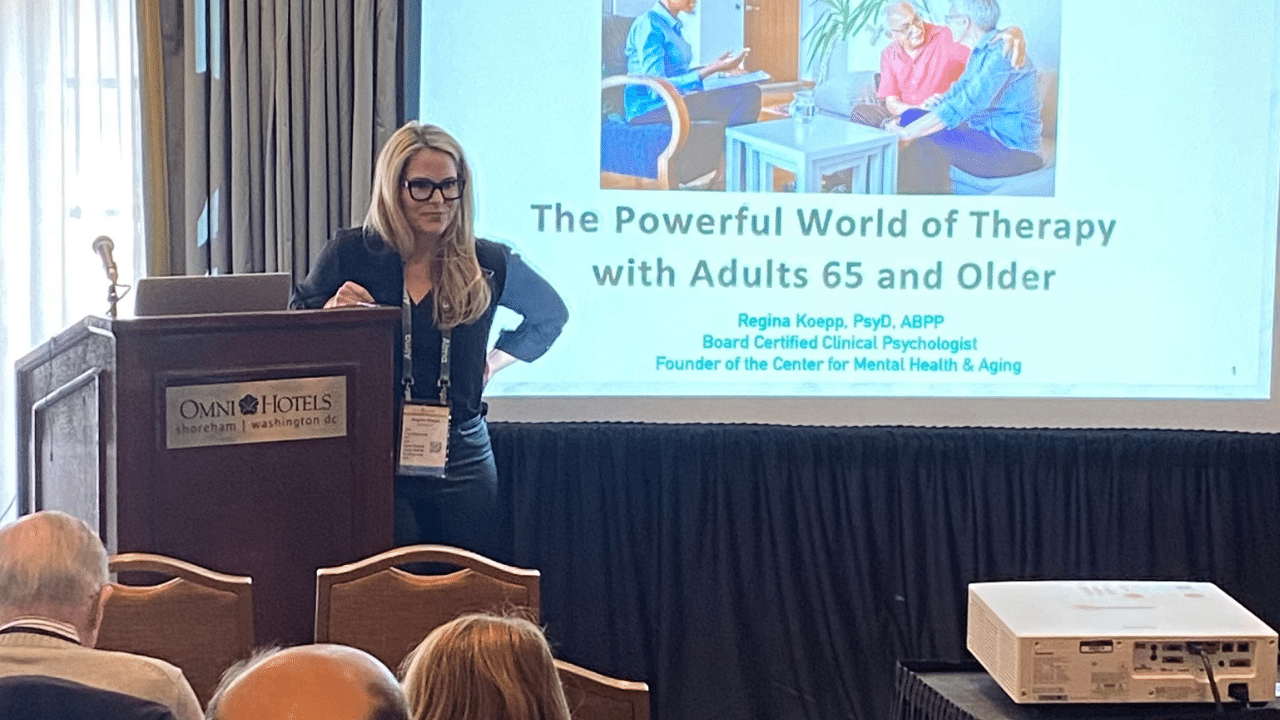
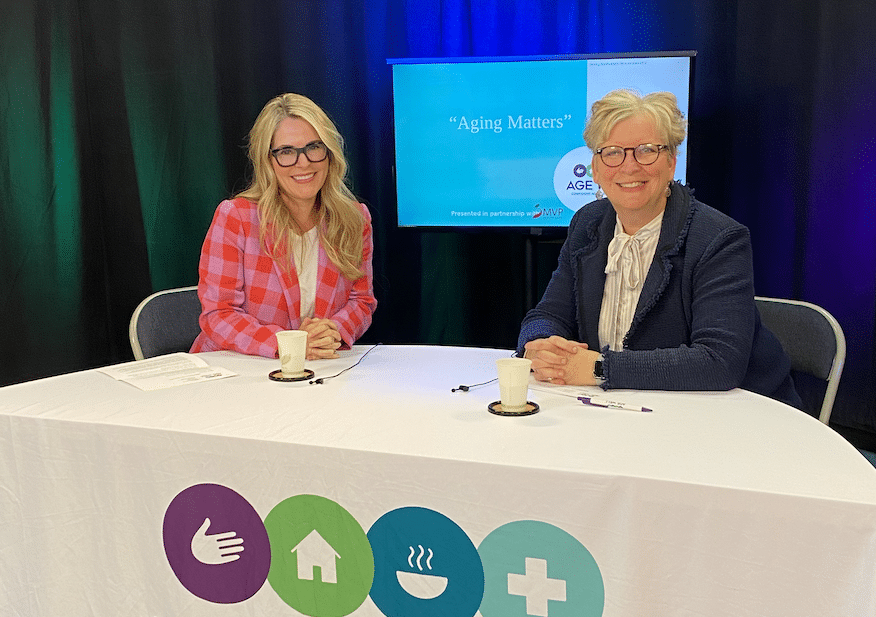
Dr. Regina Koepp is a board certified clinical psychologist, clinical geropsychologist, and founder and CEO of the Center for Mental Health & Aging: the “go to” place for mental health and aging. Dr. Koepp is a sought after speaker on the topics of mental health and aging, caregiving, ageism, resilience, intimacy in the context of life altering Illness, and dementia and sexual expression. Dr. Koepp is on a mission to ensure mental health and belonging for older adults, because every person at every age is worthy of healing, transformation, and love. Learn more about Dr. Regina Koepp here.
Regina Koepp, PsyD, ABPP









































Want More? Read Our Most Recent Posts


Older adults deserve high quality mental health care.
Therapists deserve the training to provide that care.