
In recent years, the concept of Death with Dignity (DWD) has gained increasing attention and acceptance in various parts of the world. As society grapples with end-of-life issues, mental health professionals play a crucial role in supporting patients who are considering this deeply personal decision.
This article explores the multifaceted responsibilities of mental health professionals in the DWD process, highlighting the importance of their expertise, empathy, and ethical considerations.
Understanding Death with Dignity
Death with Dignity, also known as medical aid in dying (MAiD), refers to the practice of allowing terminally ill individuals to request and receive medication to end their lives peacefully. This option is available in several jurisdictions, each with its own specific regulations and safeguards. As mental health professionals, we are often called upon to play a vital role in this process, ensuring that patients are making informed decisions and receiving appropriate support.
The Essential Role of Mental Health Professionals
Mental health professionals bring a unique set of skills and perspectives to the DWD process. Our involvement is crucial for several reasons:
- Providing Information: One of the primary responsibilities of mental health professionals is to provide patients with comprehensive information about DWD. This includes explaining the process, discussing potential alternatives, and addressing any questions or concerns the patient may have. By ensuring patients have access to accurate and unbiased information, mental health professionals help individuals make fully informed decisions about their end-of-life care.
- Assessing Capacity: A critical aspect of the DWD process is determining whether a patient has the mental capacity to make such a significant decision. Mental health professionals are uniquely qualified to assess a patient’s cognitive abilities, emotional state, and overall mental health. This evaluation helps ensure that the patient’s choice is made with a clear understanding of the consequences and is not influenced by treatable mental health conditions.
- Exploring Options: Mental health professionals play a crucial role in helping patients explore all available options for end-of-life care. This includes discussing palliative care, hospice services, and other alternatives to DWD. By presenting a comprehensive overview of choices, mental health professionals empower patients to make decisions that align with their values and preferences.
- Evaluating Mental Health Factors: In some cases, a patient’s desire for DWD may be influenced by underlying mental health issues. Mental health professionals are trained to identify and assess conditions such as depression, anxiety, or other psychological disorders that may be contributing to a patient’s suffering. By addressing these factors, professionals can help ensure that the decision to pursue DWD is not driven by treatable mental health concerns.
The Five-Step Approach for Mental Health Professionals
To provide the best possible support for patients considering DWD, mental health professionals can follow a structured approach:
1. Engage in Self-Reflection:
Before engaging with patients, it’s critical as mental health professionals, that we examine our own beliefs, biases, and potential conflicts regarding DWD. This self-reflection should include consideration of philosophical and religious arguments that may influence our perspective. Professionals must ask themselves:
- What are my views on suffering and its role in life?
- How do I perceive the healthcare system’s responsibility in addressing suffering?
- Are there any personal or religious beliefs that might affect my ability to support a patient considering DWD?
If you find that your personal views might interfere with your ability to provide unbiased support, you should consider declining participation in the process.
2. Familiarize with Legal and Regulatory Requirements
As mental health professionals, we should thoroughly understand the legal and regulatory framework surrounding DWD in our jurisdiction. This knowledge is essential for providing accurate information to patients and ensuring compliance with all necessary procedures. We should document their adherence to these requirements meticulously.
3. Consult with Medical Care Providers
Collaboration with the patient’s medical team is crucial. As mental health professionals, we should engage in detailed discussions with physicians and other healthcare providers to gain a comprehensive understanding of the patient’s medical condition, prognosis, and potential disease progression. This information helps confirm that the patient has an accurate understanding of their circumstances and informs our mental health assessment.
4. Conduct Confidential Patient Discussions
We should engage in private, in-depth conversations with patients considering DWD. These discussions serve multiple purposes:
-
- Confirming that the request for DWD originates from the patient without external coercion
- Assessing the patient’s understanding of their medical condition and prognosis
- Exploring the patient’s decision-making process, including consideration of alternatives and potential consequences
- Evaluating the patient’s mental capacity to provide informed consent
5. Provide Documentation and Support
Based on our assessment, we should prepare any necessary documentation required by relevant statutes or regulations. This may include formal evaluations of the patient’s mental capacity and decision-making ability. Additionally, as professionals, we should be prepared to offer ongoing emotional support to both the patient and their family members throughout the process.
Balancing Professional Responsibilities and Emotional Support
While adhering to legal and ethical requirements is crucial, as mental health professionals, we must also recognize the profound emotional impact of the DWD process on patients and their loved ones. This period is often characterized by vulnerability, fear, and complex emotions for all involved. As such, we should approach our role with a combination of professionalism and compassion.
Providing Emotional Support
Beyond formal assessments, as mental health professionals, we can offer invaluable emotional support to patients and their families. This may involve:
- Helping patients process their feelings about their illness and end-of-life decisions
- Facilitating conversations between patients and their loved ones
- Offering coping strategies for managing anxiety, fear, or grief
Supporting Family Members
The impact of a patient’s decision to pursue DWD extends to their family and friends. We play an important role in supporting these individuals by:
- Providing a safe space for family members to express their emotions
- Offering guidance on how to support their loved one through the process
- Preparing family members for the emotional challenges they may face
Follow-up Care
Our responsibility as mental health professionals doesn’t end with the patient’s decision or passing. Offering follow-up support to bereaved family members can be an essential part of the process, helping them navigate their grief and adjust to life after their loss.
Conclusion
As mental health professionals, our role in supporting patients considering Death with Dignity is multifaceted and deeply important. By combining our clinical expertise with empathy and ethical considerations, we help ensure that patients make informed decisions aligned with their values and wishes. As society continues to grapple with end-of-life issues, the compassionate involvement of mental health professionals remains crucial in upholding the dignity and autonomy of individuals facing terminal illnesses.
Ultimately, the goal is to provide comprehensive, unbiased support that respects the patient’s right to make informed decisions about their own life and death. By approaching this role with sensitivity, professionalism, and a deep commitment to patient well-being, we have a unique expertise to help individuals, families, and medical teams navigate the complex and emotionally charged process of Death with Dignity.
Resources:
- Assessing Desire to Hasten Death in End of Life Care (Free Downloadable Checklist)
- End of Life Decisions Vs. Suicide: What’s the Difference?
- States with Death With Dignity with links to each state legal requirements
- Learn more about the Role of Mental Health Professionals in Death With Dignity
- Compassion & Choices
- Death with Dignity
- Koocher, G. P., Benjamin, G. A. H., Bolton, J., & Plante, T. G. (2023). Medical assistance in dying (MAiD): Ethical considerations for psychologists. Professional Psychology: Research and Practice, 54(1), 2–13. https://doi.org/10.1037/pro0000500
Register for our Death with Dignity Ethics and End of Life Psychotherapy 6 Hour Ethics CE Course


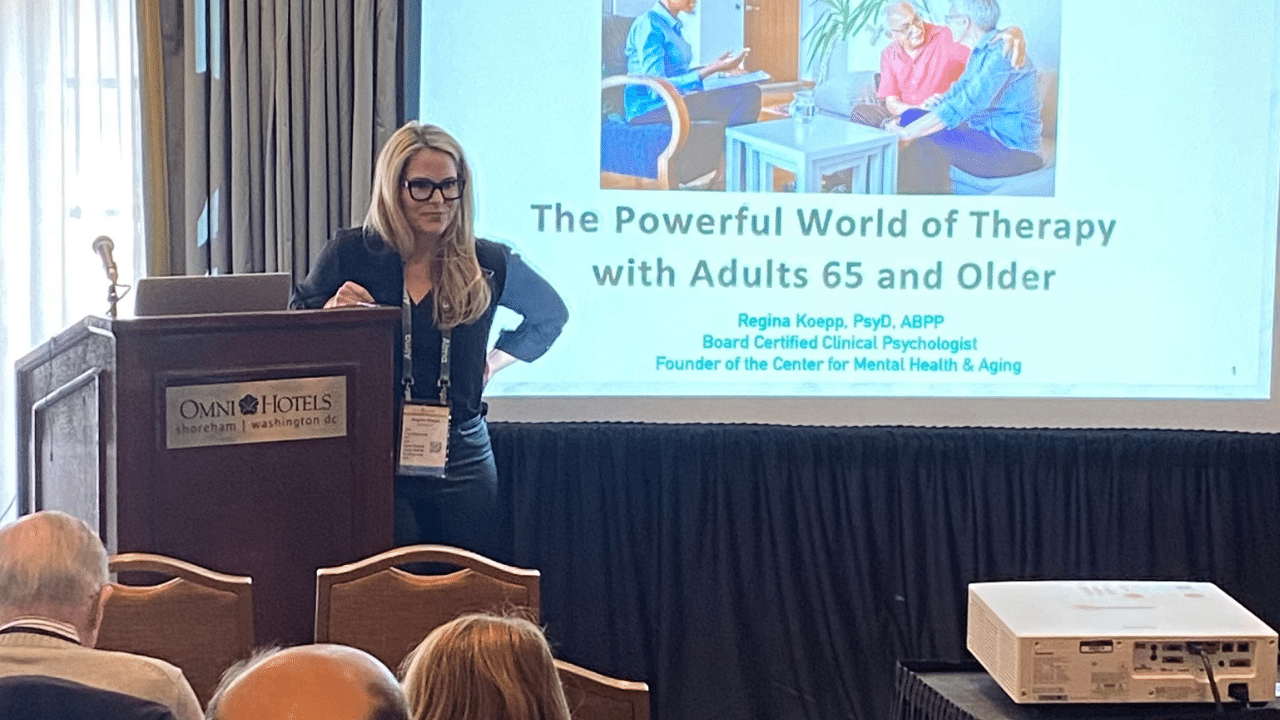
Dr. Regina Koepp is a board certified clinical psychologist, clinical geropsychologist, and founder and CEO of the Center for Mental Health & Aging: the “go to” place for mental health and aging. Dr. Koepp is a sought after speaker on the topics of mental health and aging, caregiving, ageism, resilience, intimacy in the context of life altering Illness, and dementia and sexual expression. Dr. Koepp is on a mission to ensure mental health and belonging for older adults, because every person at every age is worthy of healing, transformation, and love. Learn more about Dr. Regina Koepp here.
Regina Koepp, PsyD, ABPP





























































































Want More? Read Our Most Recent Posts


Older adults deserve high quality mental health care.
Therapists deserve the training to provide that care.