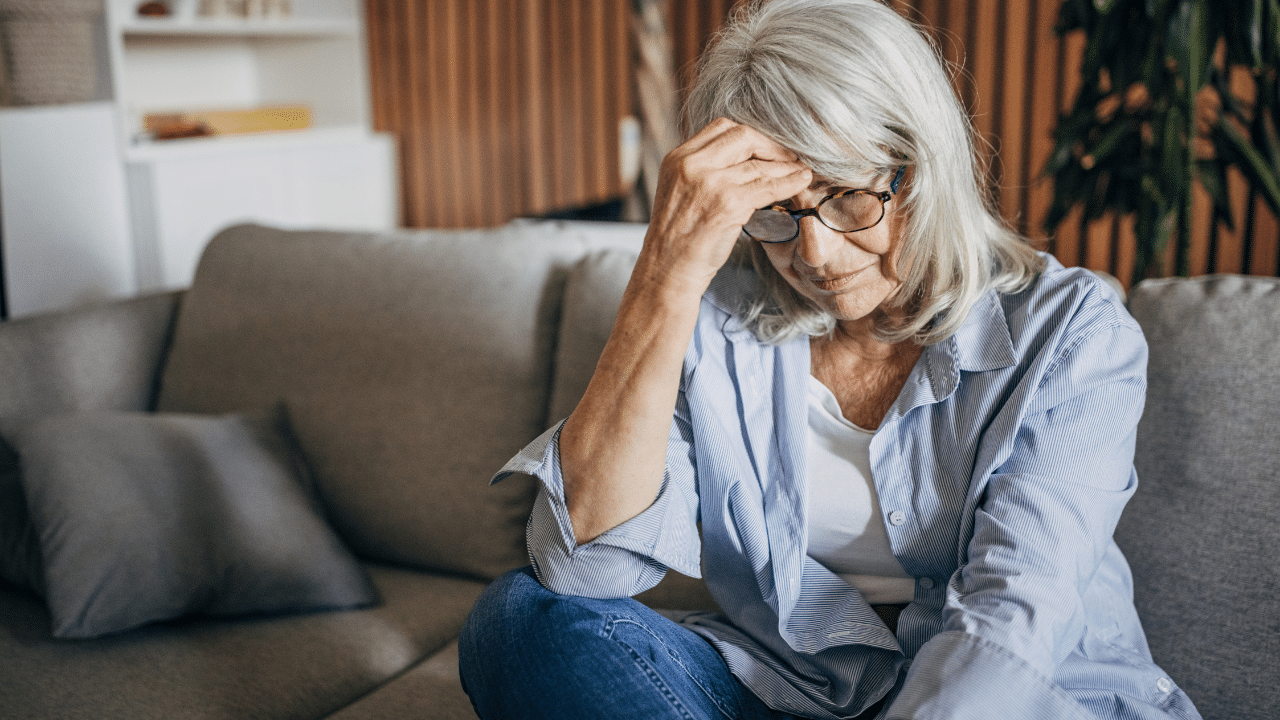
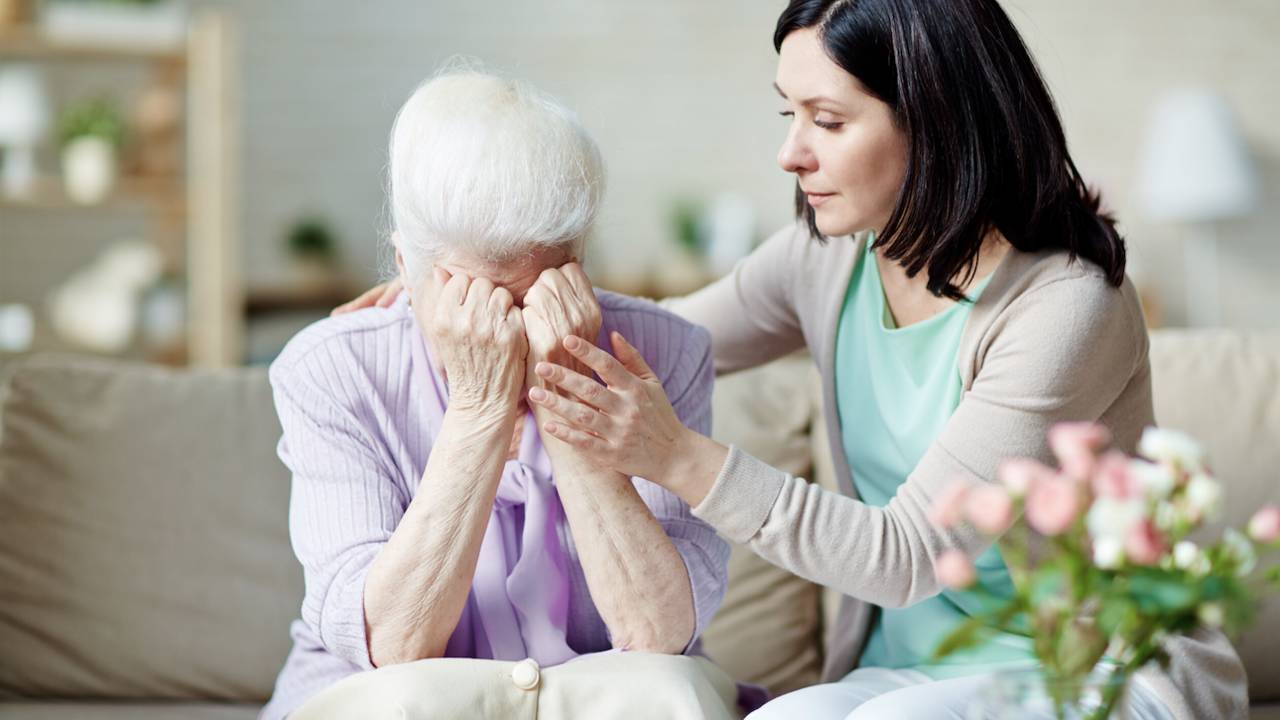
I recently received a letter from a listener of my podcast: “Dear Dr. Koepp, My mom has recently become depressed. She’s 94 and lives alone. My family and I aren’t sure what we should be doing (if anything). Where should we go from here?”
I have tremendous respect for this listener for reaching out to learn more about depression in older adulthood.
Let me start by saying that depression is NOT a normal part of aging, but depression IS the most prevalent mental health condition among older adults. Unfortunately, depression in late life often goes undetected and untreated largely due to the false belief that with age comes depression.
This is why it is so important to learn about depression and have tools and resources to help older adults to get treated for depression if and when they need it.
What are the rates of depression in older adults?
According to the Centers for Disease Control and Prevention (CDC), only 1% to 5% of people 65 and older living in the community have depression. The rates increase a bit when older adults are in the hospital for a medical problem, but only to 11.5%, and still a little bit more to 13.5% when older adults require home health care assistance in their home.
According to the National Institute of Mental Health, adults 50 years and older actually have the lowest rates of depression among all adults- Less than 5%.
So you can see, the vast majority of older adults DO NOT have depression. Even with this said, it’s important to point out that while most older adults will not develop depression, depression is actually the most prevalent mental health condition among older adults. So, if you’re an older adult, or caring for one (especially older adults who have medical problems and receive home health assistance for medical problems, or are in the hospital or have recently been in the hospital recently), it’s important to be aware of the signs and symptoms so that you have the tools you need to get help when you need it.
What are the signs of depression in older adults?
- Persistent sadness or crying a lot
- Feeling worthless or helpless
- Feeling slowed down
- Excessive worries about finances and health problems
- Weight changes (due to changes in appetite- like gaining weight or losing weight)
- Restlessness (like pacing and fidgeting), or the opposite, being unusually still.
- Changes in sleep, like sleeping too much or too little.
- Difficulty concentrating
- Physical symptoms such as pain or GI problems.
- Withdrawal from regular social activities
In order to meet the criteria for a depressive disorder, the older adult only has to 5 of those symptoms lasting for 2 or more weeks AND these symptoms must affect how they are functioning. For example, affecting their relationships, how they’re taking care of themselves, or whether or not they’re engaging in activities.
Do older adults REALLY benefit from treatment for depression?
Many people wrongly think that “the person is old (or ill) and so must be depressed”. As a result of this false belief that with age comes depression, older adults are living with depressive disorders and suffering when they don’t have to. The CDC tells us that 80% of the cases of depression in older adults are treatable! But, here’s the thing- depression can’t get treated if it goes unrecognized and untreated.
What happens if depression goes untreated in older adults?
Not only does treating depression in older adults alleviate suffering, we know that when depression goes untreated in older adults they:
- Have more medical problems
- Stay longer in the hospital
- Use more medication for their medical problems
- Have more visits to the ER
- Experience more loneliness and isolation
What should I do if I’m concerned that my older loved one has depression?
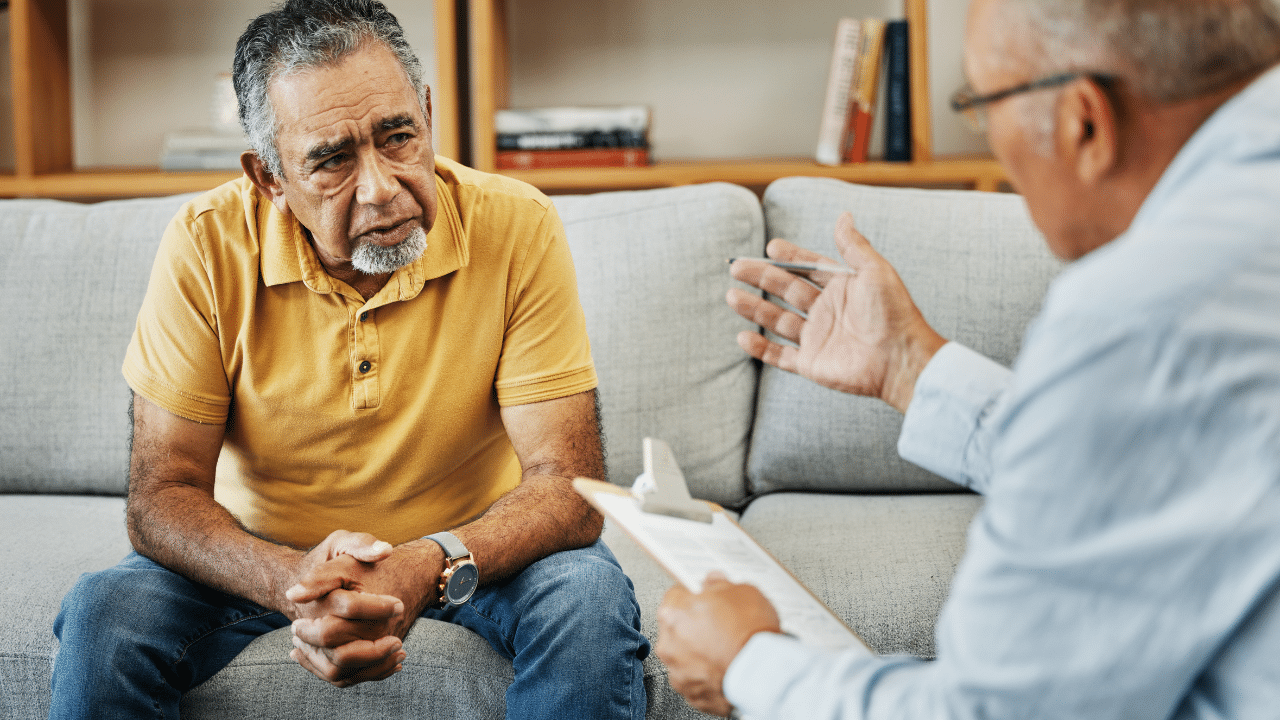
- Talk with your your older loved about what you’ve been noticing in a compassionate and concerned way
- Encourage your older loved one to see their primary care provider to rule out any medical conditions that may be causing these symptoms.
- Help your older adult get connected with a mental health provider who specializes with older adults. Find a professional here
Please don’t ignore signs and symptoms of depression in older adults. Instead lean in, share your concerns, and help your older loved one get connected to providers.

Dr. Regina Koepp is a board certified clinical psychologist, clinical geropsychologist, and founder and CEO of the Center for Mental Health & Aging: the “go to” place for mental health and aging. Dr. Koepp is a sought after speaker on the topics of mental health and aging, caregiving, ageism, resilience, intimacy in the context of life altering Illness, and dementia and sexual expression. Dr. Koepp is on a mission to ensure mental health and belonging for older adults, because every person at every age is worthy of healing, transformation, and love. Learn more about Dr. Regina Koepp here.
Regina Koepp, PsyD, ABPP























































Want More? Read Our Most Recent Posts


Older adults deserve high quality mental health care.
Therapists deserve the training to provide that care.