

Your Hidden Biases May Be Harming Your Clients.
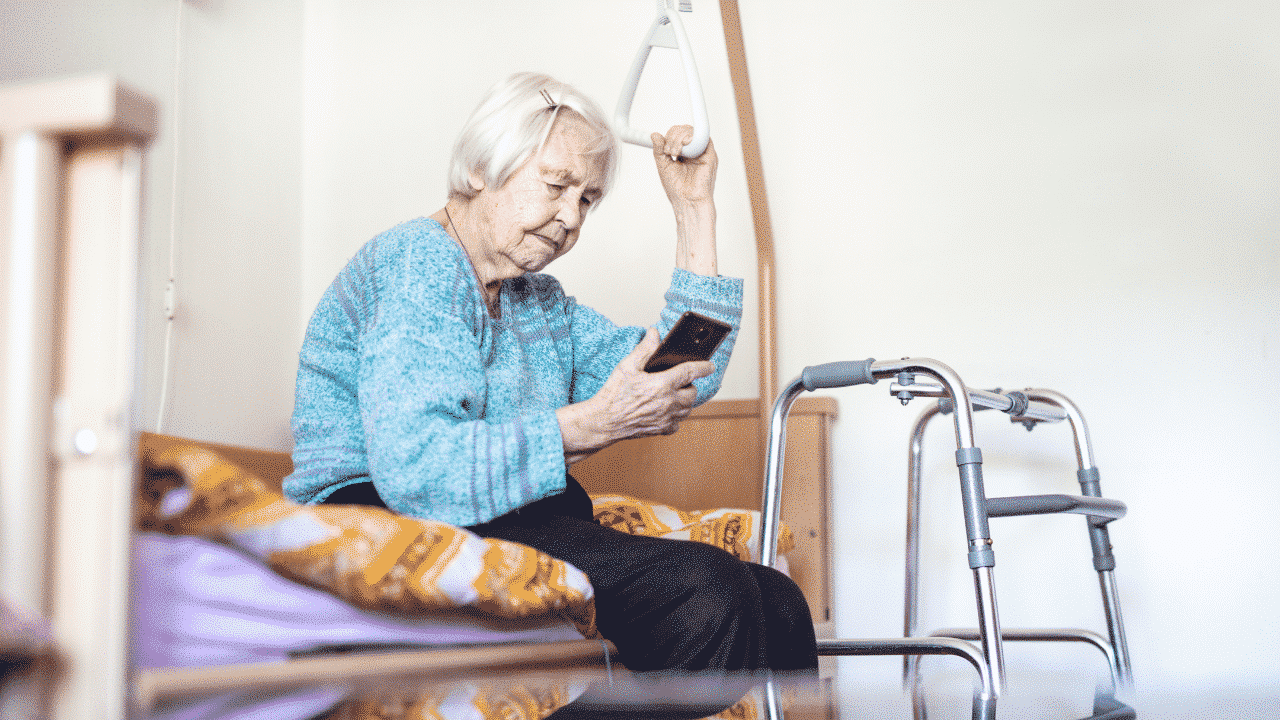
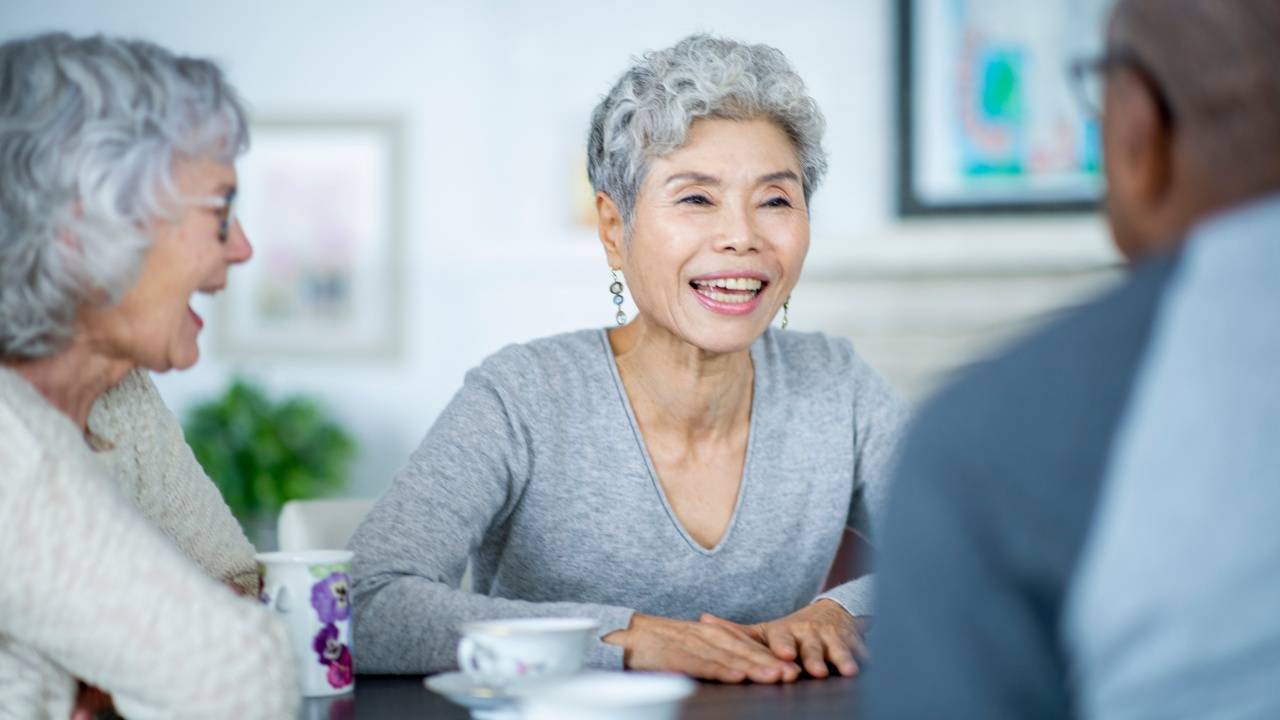
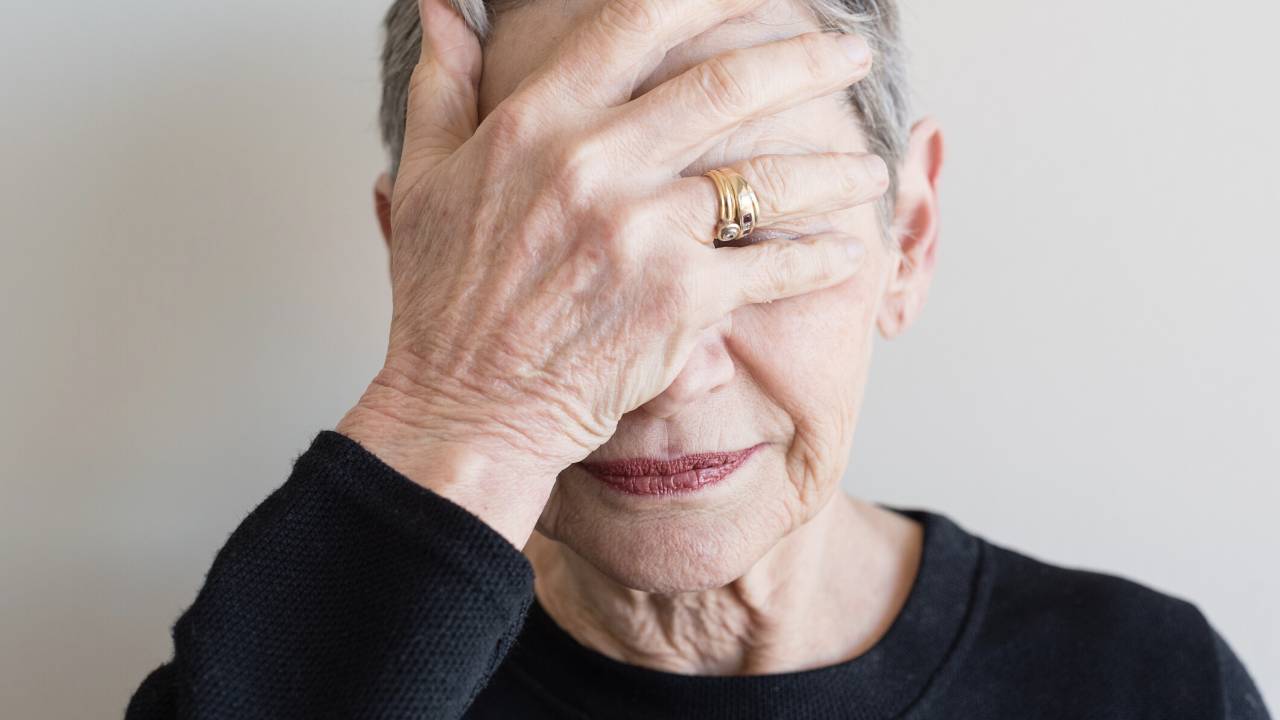
Have you ever thought, “Older adults are just set in their ways” or “Therapy isn’t effective for older clients”? If so, this episode is for you. Today, we tackle the hidden biases that even seasoned mental health professionals may hold toward older adults.
Here’s What You’ll Learn in This Episode:
- What ageism is and how it manifests in mental health care.
- The impact of structural and individual ageism on mental and physical health.
- Research-backed insights, including Dr. Becca Levy’s groundbreaking work on the Stereotype Embodiment Theory.
- How ageism and ableism intersect to create barriers for older adults.
We also explore the unique challenges faced by BIPOC (Black, Indigenous, and People of Color) older adults:
- By 2030, the older white population in the U.S. will increase by 39%, while the older BIPOC population will grow by 89%.
- By 2050, over 42% of adults aged 65 and older will be BIPOC.
- Studies show that nearly 50% of Black Americans report experiencing racial discrimination in health care, and BIPOC older adults are disproportionately excluded from clinical trials.
These statistics highlight the urgent need for culturally responsive, anti-ageist, and anti-racist mental health care practices.
Let’s rewrite the narrative: Older adults are resilient, capable, and deserving of high-quality mental health care.
Resources Mentioned:
- 5 Expert Strategies for Addressing Memory Loss in Therapy
- Continuing education course on the impact of ageism
- CEU Programs: Explore Continuing Education Courses
- Podcast episodes related to depression
- Blog articles related to depression
Resources That May Interest You:
Subscribe and leave a review wherever you listen!
If you enjoyed this episode, please subscribe, leave a review, and share it with a colleague or friend. Together, we can ensure older adults are included in the mental health conversation.
Articles/Stats Referenced:
- Administration on Community Living & Administration on Aging. (2018, April). 2017 minority aging statistical profiles. Retrieved from https://acl.gov/sites/default/files/Aging%20and%20Disability%20in%20America/2017OlderAmericansProfile.pdf
- Alzheimer’s Association. 2021 Alzheimer’s Disease Facts and Figures. Alzheimers Dement 2021;17(3).
- Ortman, J. M., Velkoff, V. A., & Hogan, H. (2014). *An aging nation: The older population in the United States* (Current Population Reports, P25-1140). US Census Bureau. Retrieved from https://www.census.gov/content/dam/Census/library/publications/2014/demo/p25-1140.pdf
- Stone, A.A.; Schwartz, J.E.; Broderick, J.E.; Deaton, A. A Snapshot of the Age Distribution of Psychological Well-Being in the United States. Proc. Natl. Acad. Sci. USA 2010, 107, 9985–9990

Dr. Regina Koepp is a board certified clinical psychologist, clinical geropsychologist, and founder and CEO of the Center for Mental Health & Aging: the “go to” place for mental health and aging. Dr. Koepp is a sought after speaker on the topics of mental health and aging, caregiving, ageism, resilience, intimacy in the context of life altering Illness, and dementia and sexual expression. Dr. Koepp is on a mission to ensure mental health and belonging for older adults, because every person at every age is worthy of healing, transformation, and love. Learn more about Dr. Regina Koepp here.
Regina Koepp, PsyD, ABPP




























Want More? Listen to Our Most Recent Episodes


Older adults deserve high quality mental health care.
Therapists deserve the training to provide that care.
